The Four Seasons Season 2: Netflix’s Comfort Comedy Shattered by Grief, Secrets, and Midlife Reckoning
Just days after dropping on Netflix, The Four Seasons Season 2 has taken the streaming world by storm, proving that the benchmark for heartfelt comedy-dramas has been completely redefined. What started as a lighthearted modernization of Alan Alda’s beloved 1981 film has evolved into something far more profound—and unsettling. Viewers are binging through laughter and tears, only to find themselves confronting raw truths about loss, regret, and the messy realities of middle age. While some executives might prefer to keep things breezy, the new season refuses to shy away from the darkness, forcing its tight-knit group of friends to navigate life after tragedy during sun-soaked getaways that mask deeper turmoil.
The series, created by Tina Fey alongside 30 Rock veterans Lang Fisher and Tracey Wigfield, follows three couples whose decades-long friendships are tested by life’s inevitable changes. Season 1 introduced us to the group during their quarterly vacations, centering on Nick (Steve Carell) and Anne’s (Kerri Kenney-Silver) crumbling marriage, Nick’s impulsive romance with much younger Ginny (Erika Henningsen), and the ripple effects on their circle: Kate (Tina Fey) and Jack (Will Forte), plus Danny (Colman Domingo) and Claude (Marco Calvani). The season ended with a gut-punch: Nick’s sudden death in a car accident, followed by the revelation that Ginny was pregnant with his child.
Season 2 picks up in the aftermath, with the surviving friends attempting to honor their traditions while grappling with an existential void. The eight episodes, released all at once on May 28, 2026, transport the group across new destinations—from the misty Catskills to the romantic hills of Italy—where shared memories collide with fresh conflicts. Insiders and early viewers describe it as a calculated emotional gamble: blending the show’s signature witty banter with heavier explorations of grief, reinvention, and buried resentments that threaten to fracture the group forever.
Processing the Unthinkable: Nick’s Absence and Ginny’s Bombshell
The shadow of Nick’s death looms large from the very first episode. The season opens with a hiking trip in the Catskills, where the friends attempt to scatter his ashes on a meaningful mountain. What should be a poignant farewell quickly devolves into classic Four Seasons chaos: forgotten urns, interpersonal friction, and Jack’s overzealous GoPro documentation. Jack, in particular, struggles the most, channeling his sorrow into frantic activity like training for marathons and pushing the group to “keep moving forward.”
Ginny, now very pregnant, joins the outings despite the awkwardness. Her presence forces everyone, especially Anne, to confront complicated emotions. Anne, left to navigate the legal and financial mess of an unfinished divorce, initially clashes with Ginny over Nick’s estate. Yet, as the season progresses, an unlikely bond forms between the widow and the young mother-to-be. They briefly become roommates and co-parents to baby Gino (a name that draws plenty of eye-rolls from the group), creating some of the season’s most tender and hilarious moments. Kerri Kenney-Silver shines as Anne, transforming from a somewhat meek figure into a woman rediscovering her independence through wild experiments in identity and risk-taking.
Erika Henningsen brings nuance to Ginny, portraying a young woman who initially insists she can handle everything alone but gradually accepts support. The pregnancy isn’t just a plot device—it becomes a catalyst for examining themes of legacy, unexpected parenthood, and forgiveness. Flashbacks, including a COVID-era Thanksgiving, reveal more about Nick’s final days and the group’s shared history, adding layers of regret that many viewers find uncomfortably relatable.
Midlife Crises on Vacation: Relationships Under Pressure
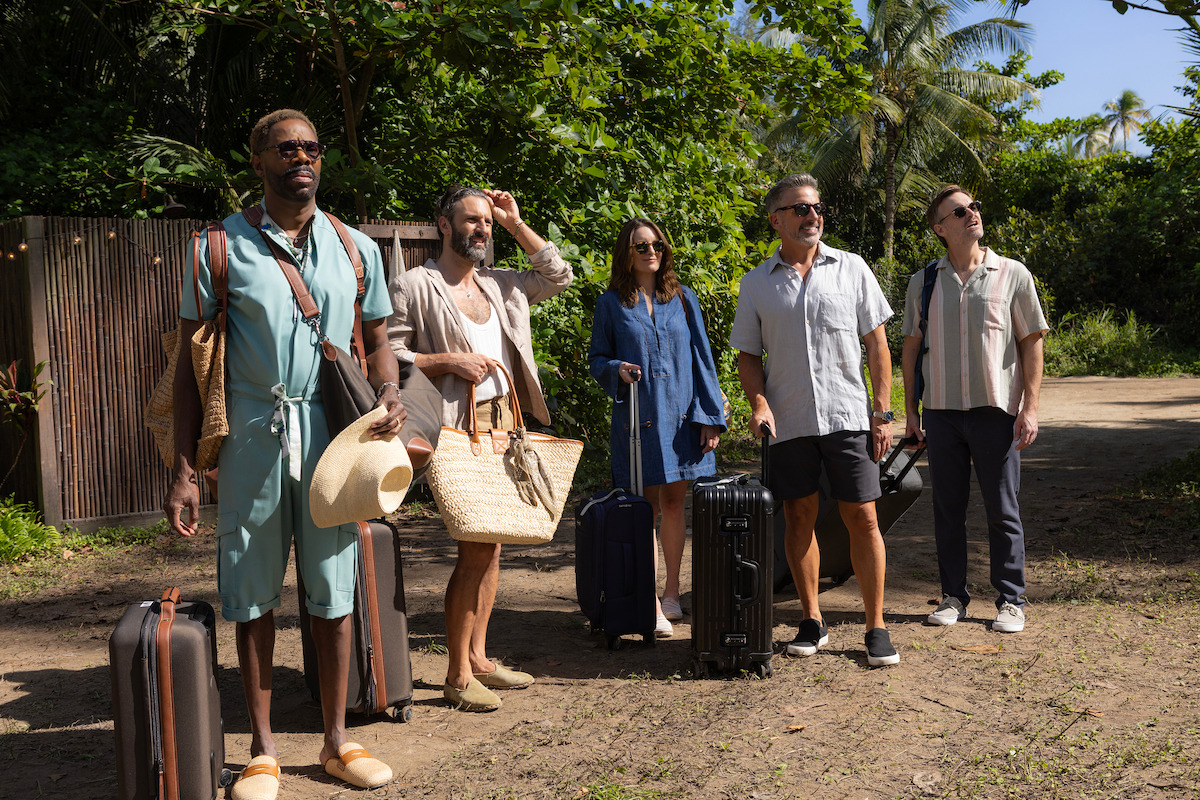
The Four Seasons has always excelled at using luxurious trips as pressure cookers for drama, and Season 2 amplifies this formula. The friends’ getaways—spring in the mountains, summer at the shore, fall in scenic locales, and a Christmas finale in Italy—serve as backdrops for personal reckonings. Kate and Jack’s marriage faces new strains as Kate confronts Jack’s hidden anxieties and coping mechanisms, including secret weed use. Tina Fey delivers her trademark physical comedy and sharp observations while exploring Kate’s fears about aging and unfulfilled potential.
Danny and Claude’s arc provides some of the season’s most heartfelt growth. The couple debates whether to have a child of their own, questioning if parenthood could fill the emotional gap left by Nick’s death. Colman Domingo and Marco Calvani share excellent chemistry, with Claude finally receiving more depth after being somewhat sidelined in Season 1. Their journey culminates in major life decisions during the Italian finale, balancing individual dreams with commitment to chosen family.
Production journals and behind-the-scenes insights suggest the creative team deliberately pushed boundaries. Forcing these characters into beautiful vacation settings while processing heavy topics creates a striking contrast—stunning visuals of Italian countryside or lakeside retreats juxtaposed against raw conversations about mortality and regret. This “dark reality” behind the glossy travel aesthetic is what has viewers hooked and slightly unsettled. The show doesn’t offer tidy resolutions; instead, it mirrors real life’s ongoing messiness.
Why This Season Feels So Raw and Relatable
What elevates The Four Seasons Season 2 beyond typical comfort viewing is its willingness to sit with discomfort. The friends aren’t just mourning Nick—they’re mourning versions of themselves and the futures they imagined. Pandemic trauma lingers in flashbacks, highlighting how collective hardship reshaped their perspectives. Midlife questions abound: How do we reinvent ourselves when time feels limited? Can old friendships survive new realities? Is it too late for second (or third) acts?
Critics have noted the season’s improved balance of comedy and poignancy compared to the first. The ensemble’s chemistry remains electric, with standout performances allowing each actor room to breathe. Guest stars, including Steven Pasquale, add fresh dynamics. The writing crackles with clever dialogue that undercuts sentimentality just when it might become too heavy, a hallmark of Fey’s style.
Social media has exploded with reactions. Fans share how the show prompted late-night discussions with partners about their own regrets and dreams. Parents in the audience relate to the baby storyline, while others see reflections of their friend groups navigating loss. Some viewers admit the season kept them up, not from suspense, but from its mirror-like quality—holding up uncomfortable truths about aging, friendship, and the weight of unspoken secrets.
The Gamble That Paid Off
By centering vacations in Italy and other dream destinations, the producers took a risk: Could a show about grief maintain its escapist appeal? The answer appears to be a resounding yes. The travel porn elements provide breathing room between emotional gut-punches, while the “secret regrets” bubbling under the surface—infidelities hinted at, abandoned ambitions, and shifting family roles—keep tension high.
The season finale in Italy for Christmas brings many threads together. Danny and Claude make sacrifices for family, Anne and Ginny redefine their co-parenting dynamic, and Kate and Jack reaffirm their bond amid ongoing challenges. Yet, true to the show’s spirit, it ends on a note of hopeful ambiguity rather than fairy-tale closure, leaving doors open for potential future seasons.
The Four Seasons Season 2 cements the series as a standout in Netflix’s lineup—a rare blend of laugh-out-loud humor and genuine emotional depth. It shatters expectations for “comfort” television by reminding us that comfort often comes from acknowledging life’s harshest realities: people leave, plans change, and the only constant is the friends who show up anyway, even when vacations get messy.
In an age of endless streaming options, this season stands out for its honesty. It buries no secrets in its sunlit Italian hills or cozy lake houses. Instead, it excavates them, forcing characters and viewers alike to examine what truly matters. Whether you’re watching for the witty one-liners, the gorgeous scenery, or the cathartic tears, one thing is clear: The Four Seasons has matured beautifully, delivering a sophomore outing that feels both wildly entertaining and profoundly moving. Just don’t expect to binge it without pausing to reflect on your own life’s seasons.