In the aftermath of one of Switzerland’s deadliest peacetime disasters, the spotlight has turned to Jacques Moretti, the French co-owner of Le Constellation bar in the upscale ski resort of Crans-Montana. The catastrophic fire that erupted during New Year’s Eve celebrations on January 1, 2026, claimed 40 lives—many of them teenagers—and left 116 others injured, with dozens suffering severe burns requiring intensive care across Switzerland and neighboring countries. As grief has given way to outrage, revelations about Moretti’s extensive criminal history in France have intensified scrutiny over whether this tragedy was truly an unforeseeable accident or the inevitable consequence of negligence by a man with a long record of flouting the law.
The blaze began shortly after 1:26 a.m. in the basement of Le Constellation, a popular venue that had transformed from a modest café into a vibrant nightclub under the Morettis’ ownership since 2015. Witnesses and video footage indicate that the fire ignited when partygoers raised champagne bottles adorned with sparklers too close to the ceiling, setting ablaze sound-insulating acoustic foam that the owners had installed themselves during renovations. The flames spread with terrifying speed, trapping revelers in a smoke-filled space with limited escape routes. Reports highlight a single narrow staircase leading from the basement, questions about the accessibility of fire extinguishers, and a service door allegedly locked from the inside. Moretti later told prosecutors he forced the door open upon arriving at the scene and discovered bodies piled behind it.
The victims, ranging in age from 14 to 39, included young people from Switzerland, France, Italy, and beyond. Many were teenagers enjoying what should have been a joyful night of celebration. The disaster prompted a national day of mourning on January 9, 2026, with church bells ringing across the country and tributes pouring in from leaders including French President Emmanuel Macron and Italian Prime Minister Giorgia Meloni, who called for strict accountability.
Jacques Moretti, now in his late 40s or early 60s depending on reports, and his wife Jessica, who was present during the fire and sustained burns to her arm, have been at the center of the investigation from the outset. Swiss prosecutors in the canton of Valais quickly opened a criminal probe into suspicions of manslaughter by negligence, bodily harm by negligence, and arson by negligence. On January 9, Jacques Moretti was taken into custody as a potential flight risk, with his detention extended to 90 days by a court on January 12. Jessica Moretti was placed under house arrest and has expressed profound sorrow, apologizing publicly for the “unthinkable tragedy” while pledging full cooperation.
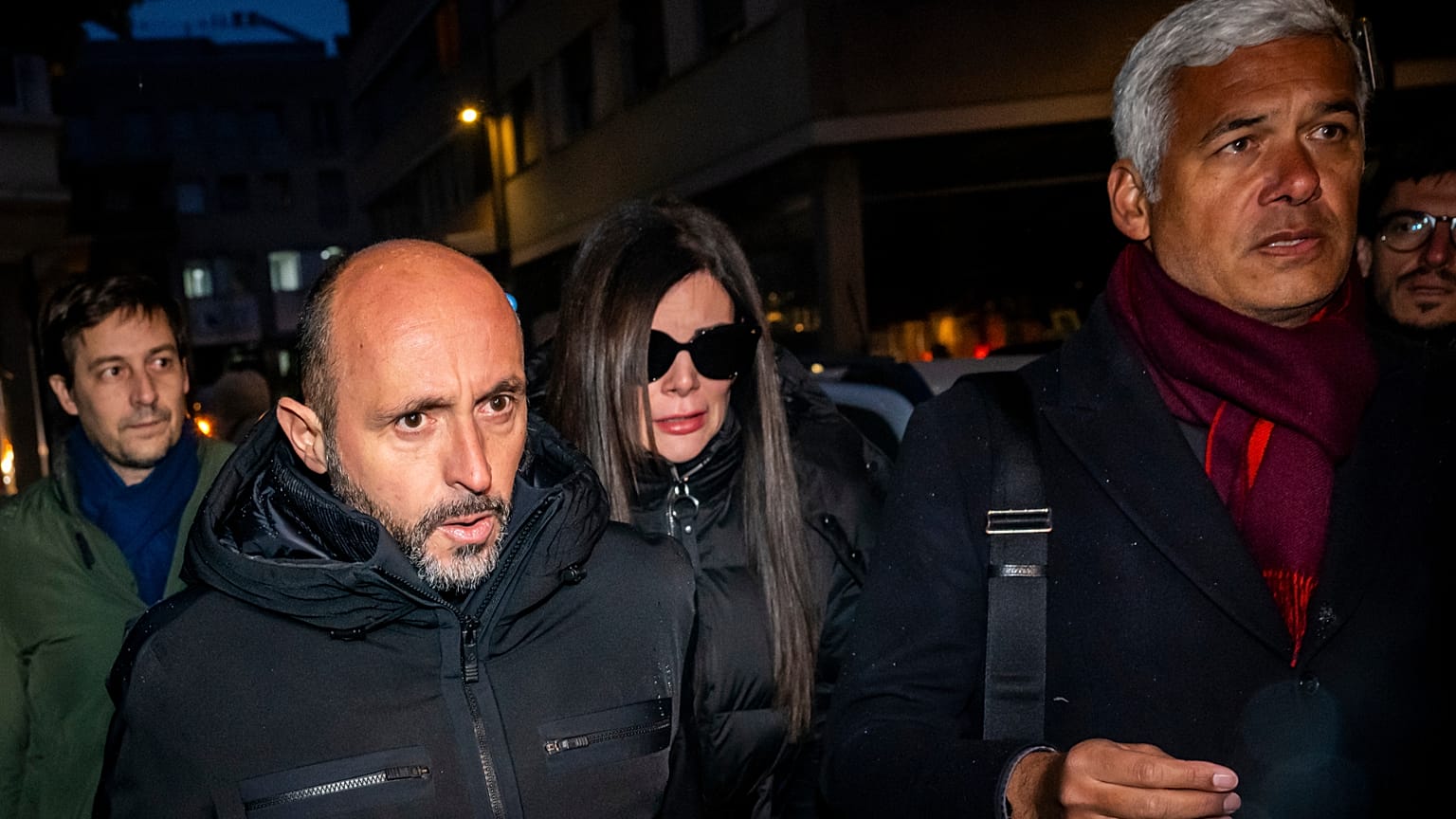
Moretti has maintained that the bar complied with all safety regulations, claiming it underwent inspections three times in the past decade and that he personally tested the sparklers, believing they could not ignite the foam. He also stated that the establishment prohibited entry to those under 16 and required adult accompaniment for 16- to 18-year-olds. However, critics point out that local fire prevention codes mandate annual inspections for high-risk public venues, and records show no checks in the last five to six years. The use of non-fire-retardant materials, the lack of sprinklers, and the venue’s operation as a nightclub without appropriate permits have fueled accusations of systemic failures.
What has shocked the public most is the exposure of Moretti’s troubled past in France. French media outlets have detailed a series of convictions dating back over two decades. In 2005, he served time in Savoie prison for involvement in fraud, kidnapping, and false imprisonment. Additional reports link him to aggravated pimping, with a 2008 conviction in Annecy resulting in a 12-month sentence related to recruiting young women for a Geneva-based massage parlor known as the “Hot Rabbit Rendezvous.” Further convictions include social security fraud in Corsica in 2010, where he received a two-year term. Described by some as a “known pimp” and a “shady character,” Moretti’s history has led to questions about how he obtained business licenses in Switzerland after relocating from Corsica around 2014–2015, following the closure of his earlier nightclub, Lollapalooza.
The couple, originally from the French island of Corsica, built a small hospitality empire in the Swiss Alps, including Le Constellation and two other establishments. Photos from their renovations show Moretti actively involved in the construction work, including installing the controversial ceiling foam purchased from a DIY store. Some locals and former staff had previously raised safety concerns, including about the narrow escape routes and the presence of underage patrons.
As the investigation continues, anger has mounted among victims’ families and the broader community. Lawyers representing injured parties have expressed dissatisfaction with aspects of the judicial response, while independent complaints have targeted local authorities for lax enforcement of regulations. The tragedy has sparked broader debates about oversight in Switzerland’s tourism-driven nightlife scene, where economic interests sometimes clash with stringent safety standards.
Moretti’s father has spoken of his son’s devastation, insisting the family is cooperating fully, while the couple’s legal team maintains they will not evade justice. With Moretti in preventive detention—potentially extendable—and the possibility of up to 4.5 years in prison if convicted on all counts, the case represents a stark fall from the glamorous image the Morettis once projected in Crans-Montana.
For the families of the 40 who perished and the many still recovering from life-altering injuries, the revelations about the bar owner’s past only deepen the sense of preventable horror. What began as a night of celebration has become a grim reminder of how negligence—and perhaps a disregard for rules rooted in a troubled history—can turn joy into unimaginable loss. As forensic work and inquiries proceed, the full truth behind the flames continues to emerge, leaving Switzerland—and Europe—demanding answers and accountability.