The Chestnut Man: Hide and Seek – Netflix’s Chilling Nordic Noir Masterpiece Returns with Even Deeper Shadows
In the crowded landscape of true-crime dramas and serial-killer thrillers, few series manage to combine atmospheric dread, intricate plotting, and raw emotional depth quite like Netflix’s Danish sensation The Chestnut Man. After captivating global audiences in 2021 with its perfect 100% Rotten Tomatoes score and becoming one of the platform’s most discussed international hits, the series returns in 2026 as The Chestnut Man: Hide and Seek. This six-episode sequel, released on May 7, continues to deliver the kind of slow-burning tension and psychological horror that lingers long after the screen fades to black. Fans and critics alike are calling it one of the most disturbing yet addictive Scandi thrillers ever made, proving that Nordic noir remains a gold standard for sophisticated crime storytelling.
The original The Chestnut Man introduced viewers to a bleak, rain-soaked Copenhagen where a sadistic killer left handmade chestnut figurines at gruesome murder scenes. Detectives Naia Thulin (Danica Curcic) and Mark Hess (Mikkel Boe Følsgaard) unraveled a web of trauma, political intrigue, and family secrets tied to the disappearance of a prominent politician’s daughter. The series stood out not just for its shocking twists but for its unflinching exploration of grief, loss, and the fragility of human connections. Now, Hide and Seek builds on that foundation with a fresh, standalone mystery that feels both familiar and newly terrifying.
Set roughly two years after the events of the first season, Hide and Seek reunites Thulin and Hess under reluctant circumstances. Thulin, a brilliant but emotionally guarded investigator and single mother, has tried to move forward with her life. Hess, the enigmatic Europol operative with his own troubled past, returns to Copenhagen amid personal complications — including his brother lying in a coma. Their paths cross again when a 41-year-old woman is reported missing. When her body is discovered, the investigation uncovers disturbing digital footprints: evidence of intense stalking, encrypted messages, and taunting clues linked to a sinister children’s rhyme. The killer forces victims into a deadly game of hide and seek, turning everyday spaces into arenas of psychological torment before delivering a final, brutal end.
What makes Hide and Seek so compelling is its masterful escalation of dread. The stalker operates with chilling precision, exploiting modern technology — phones, social media, location data — to invade victims’ lives long before the physical violence begins. Privacy feels like an illusion in this world, where every notification or shadow in the periphery could signal impending doom. The series taps into contemporary anxieties about surveillance and digital vulnerability while grounding them in classic Nordic noir aesthetics: muted color palettes, foggy suburbs, and relentless rain that mirrors the characters’ inner turmoil.
Danica Curcic once again anchors the series as Naia Thulin. Her portrayal balances professional competence with quiet vulnerability, especially as the new case forces her to confront unresolved trauma from the previous investigation. As a mother, Thulin’s stakes feel intensely personal; the threat of a predator targeting women echoes her own protective instincts. Mikkel Boe Følsgaard matches her intensity as Mark Hess, whose unorthodox methods and haunted demeanor add layers of moral ambiguity. Their rocky partnership — marked by professional respect, lingering tension, and occasional friction — remains one of the show’s greatest strengths. The chemistry between them crackles with unspoken history, elevating the procedural elements into something more human and compelling.
The supporting cast shines brightly in Season 2. Returning actors like Sofie Gråbøl bring additional weight to the ensemble, while new additions such as Katinka Lærke Petersen expand the world of Copenhagen’s law enforcement and victims’ families. The performances across the board feel authentic and grounded, avoiding the melodrama that sometimes plagues crime dramas. Characters grapple with real consequences: fractured families, institutional failures, and the long shadow of violence on mental health.
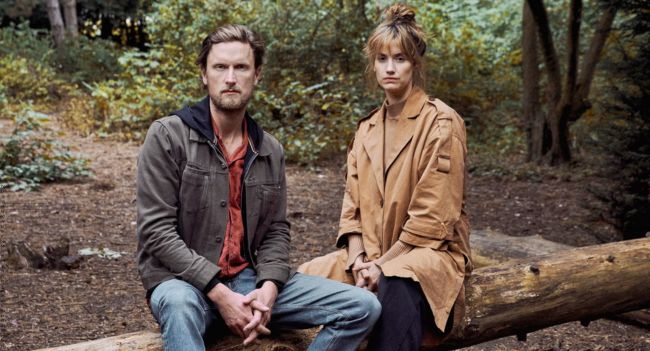
Screenwriter and creator Søren Sveistrup, renowned for The Killing, adapts his own sequel novel Hide and Seek (published in Denmark in 2024) with co-writers Dorte Warnøe Høgh and David Sandreuter. The adaptation smartly expands on the book’s themes while tightening the narrative for television. Each roughly 50-minute episode builds methodically, layering red herrings, emotional subplots, and shocking revelations. The pacing rewards patient viewers: early episodes establish an unsettling atmosphere through subtle stalking sequences, while later installments deliver heart-pounding confrontations and devastating twists.
At its heart, The Chestnut Man: Hide and Seek is more than a whodunit. It’s a profound meditation on grief and the breakdown of families. The first season explored how loss ripples through communities and political systems; this sequel delves deeper into personal isolation in an increasingly connected yet alienating world. Victims are not just bodies on a crime scene — they are mothers, daughters, and friends whose lives were systematically dismantled. The series forces viewers to confront uncomfortable truths about how society fails vulnerable people and how trauma echoes across generations.
The production values are impeccable. Director Mikkel Serup and the team at SAM Productions create a visually oppressive yet beautiful Copenhagen. Wide shots of misty forests and suburban housing estates contrast with tight, claustrophobic interiors, amplifying the sense that no one can truly hide. The score, with its haunting children’s rhyme motifs twisted into something sinister, burrows under the skin. Sound design — distant footsteps, buzzing phones, echoing whispers — heightens paranoia without relying on cheap jump scares.
Fans of the first season will appreciate how Hide and Seek respects the original’s resolution while opening new doors. It doesn’t require viewers to have seen Season 1, functioning effectively as a standalone story, but those familiar with Thulin and Hess’s history will find richer emotional payoffs. The absence of chestnut figurines is notable — this killer uses different, equally disturbing signatures — signaling a fresh nightmare rather than a simple retread.
Critics have responded enthusiastically, with early reviews praising the series for maintaining the high bar set by its predecessor. The atmospheric tension, intelligent scripting, and standout performances have many calling it one of Netflix’s finest international offerings in recent years. For audiences craving substance alongside scares, Hide and Seek delivers on every level. It avoids gratuitous gore in favor of psychological horror, making the violence feel earned and impactful rather than exploitative.
Beyond the central mystery, the series excels at portraying the toll of police work. Thulin and Hess are not invincible heroes; they are flawed individuals carrying heavy burdens. Their investigation intersects with broader societal issues — domestic abuse, mental health crises, and the failures of social services — adding relevance and depth. Moments of quiet introspection, such as Thulin navigating single parenthood or Hess dealing with family tragedy, provide breathing room amid the suspense.
The children’s game motif proves particularly effective. What should evoke innocence becomes a tool of terror, underscoring how predators pervert everyday elements to exert control. This theme resonates powerfully in an era where real-world stalking and harassment cases dominate headlines, making the fiction feel uncomfortably plausible.
As the episodes progress toward their explosive conclusion, viewers will find themselves questioning everyone’s motives. Twists arrive not as cheap shocks but as logical yet devastating extensions of the characters’ secrets. The finale ties threads together satisfyingly while leaving subtle openings for potential future stories, though the series currently stands strong on its own.
The Chestnut Man: Hide and Seek cements the franchise as a benchmark for quality Nordic crime drama. In a streaming era saturated with content, it stands out through its commitment to craft: strong writing, exceptional acting, and an unwavering focus on human emotion beneath the horror. It’s the kind of series that sparks late-night discussions, sends chills down the spine during rainy evenings, and reminds viewers why well-made international thrillers can outperform many domestic productions.
For newcomers and returning fans alike, this is essential viewing. Clear your schedule, dim the lights, and prepare to be pulled into a world where shadows hide more than just secrets — they conceal monsters who know exactly how to find you. The Chestnut Man: Hide and Seek doesn’t just entertain; it haunts, lingers, and leaves an indelible mark. Netflix has delivered another masterpiece of modern noir that deserves every bit of its acclaim.