The image lingers in the mind like a still from a deeply personal film: King Charles III and Catherine, the Princess of Wales, standing side by side in quiet solidarity. One is the monarch carrying the weight of the Crown; the other is the future Queen whose grace has captured hearts around the world. In early 2024 and into 2025, both faced the same invisible enemy—cancer—diagnosed within months of each other. What could have fractured the royal family instead wove their relationship tighter, turning private struggle into a profound, unspoken understanding that only those who have walked the same shadowed path can truly share.
Veteran royal photographer Chris Jackson, who has documented the British Royal Family for more than two decades with his lens, recently opened up about this extraordinary chapter while promoting his new book, Modern Majesty: The British Royal Family in a New Era. In a candid conversation, Jackson described how the simultaneous diagnoses created an unbreakable bond between the King and his daughter-in-law, one forged in vulnerability, resilience, and quiet mutual strength.
“You really couldn’t have made it up,” Jackson reflected, his voice carrying the weight of someone who has witnessed history unfold through his camera. “Having cancer at the same time… I think you can’t avoid what’s happened with the cancer, with the King and Catherine.” He spoke of the adversity the family faced over recent years, noting that the parallel battles added an almost cinematic layer of drama no screenwriter could invent. Yet amid the uncertainty and treatment, something beautiful emerged: a deeper connection, a shared language of endurance that strengthened their already warm relationship.
For King Charles, the diagnosis came in February 2024, shortly after he ascended the throne. He faced a form of cancer discovered during a routine procedure for an enlarged prostate. The news stunned the nation. The monarch, known for his tireless work ethic and passion for causes close to his heart, stepped back from public duties to undergo treatment while continuing some behind-the-scenes responsibilities. His transparency in sharing the diagnosis—something relatively rare for senior royals—set a tone of openness that would later echo in Catherine’s own message to the world.
Catherine’s journey began differently but overlapped in its emotional intensity. After major abdominal surgery in January 2024, tests revealed cancer. In March of that year, she released a heartfelt video message announcing her diagnosis and the start of preventive chemotherapy. The world watched as the Princess, mother to three young children, navigated treatment with characteristic poise while shielding her family as much as possible. Her absence from public life was felt deeply, and when she re-emerged, it was with a quiet determination that inspired millions.

Jackson, who has captured countless intimate and formal moments within the royal circle, observed firsthand how these parallel battles drew Charles and Catherine closer. They leaned on each other during a time when the weight of duty met the fragility of health. There were private conversations, shared understanding, and moments of mutual encouragement that transcended titles. The King, who has always held Catherine in high regard, found in her a steadfast ally who understood the unique pressures of royal life combined with personal health struggles. For Catherine, the King’s experience offered guidance, perspective, and the comfort of knowing she was not facing the unknown alone.
The photographer highlighted the remarkable “bounce back” both have shown. King Charles returned to public duties with what Jackson described as “incredible energy,” throwing himself back into engagements with renewed vigor and a deeper appreciation for life’s fleeting nature. Catherine, too, gradually stepped into the light again, her appearances marked by warmth and resilience. One particularly powerful moment Jackson recalled was Catherine’s visit to The Royal Marsden Hospital—the very place where she received her cancer treatment. In January 2025, after announcing she was in remission, she returned not as a patient but as a visitor, meeting doctors, nurses, and fellow patients.
Jackson called that day “incredibly emotional” and one of the most moving royal visits he has documented in recent years. He described the symbolism of her comeback: walking the corridors where she had once been treated, listening to the stories of others, and offering encouragement drawn from her own journey. The images he captured show genuine connection—patients and staff gathering in corridors, breaking into spontaneous applause as she left. In one fleeting glance as she arrived, Jackson saw “so many emotions running through her mind right there”—a split-second that spoke volumes about gratitude, reflection, and hard-won strength.
This shared experience has not only deepened the personal bond between Charles and Catherine but has also generated “a huge amount of goodwill and positivity” across the nation and beyond. The royal family faced a period of extraordinary challenge—health scares, public scrutiny, and the natural evolution of roles within the monarchy. Yet through it all, the quiet solidarity between the King and the Princess has become a symbol of unity and hope.
Jackson’s photographs, many featured in his new book, tell this story visually. From formal portraits to more candid moments, his work captures the humanity behind the institution. He has chronicled the family through joy and sorrow, triumphs and trials, and in this latest chapter, he witnessed resilience that feels profoundly authentic. The adversity, he noted, was real and unavoidable, but so was the strength that followed.
For royal watchers, this revelation adds a touching layer to the narrative of the monarchy in a new era. King Charles has spoken often about his desire for a slimmed-down, more modern institution focused on service. Catherine has embodied that ideal with her dedication to early childhood development, mental health, and family. Their shared battle with cancer humanized them further, reminding the public that even those born or married into the highest echelons face universal fears and find comfort in connection.
As both continue their recoveries and return to full schedules—Charles with his characteristic enthusiasm for environmental and cultural causes, Catherine with her thoughtful initiatives supporting families—their strengthened bond serves as a quiet foundation. It is a relationship built on mutual respect, empathy forged in hardship, and a shared commitment to duty that endures beyond personal trials.
Chris Jackson’s reflections offer a rare insider glimpse into a profoundly human story within one of the world’s most famous families. Through his lens and words, we see not just a King and a future Queen, but two people who found strength in each other when the path grew darkest. Their simultaneous diagnoses, far from dividing, united them in a deeper understanding and quiet solidarity.
In the end, the story is one of hope. Cancer tested them, but it did not define them. Instead, it revealed the enduring power of family, resilience, and the bonds that grow strongest under pressure. As the royal family moves forward into this new era, the connection between King Charles and Catherine, Princess of Wales, stands as a testament to the light that can emerge from even the most challenging chapters.
The cameras will keep rolling, the duties will continue, but behind the public smiles and official engagements lies a deeper truth captured by a photographer who has seen it all: adversity can break some things, but it can also forge bonds that last a lifetime.
News
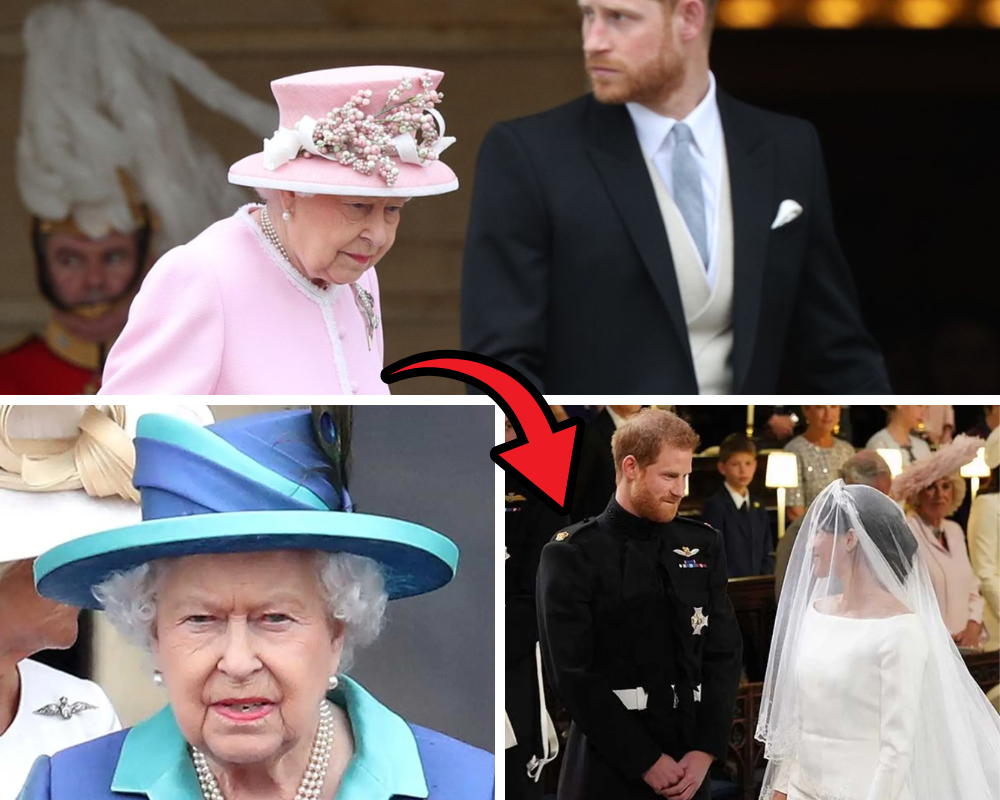
“IT’S TOO LATE, HARRY” — The Queen’s Prophetic Warning About Meghan Has Come True, as Prince Harry Sinks Into Deep Despair and Quietly Longs for a Way Back to Britain
The misty hills of Montecito stretch out under the California sun, but inside the sprawling Sussex mansion, the atmosphere feels heavy with unspoken regret. Prince Harry, once the cheeky, adventurous…
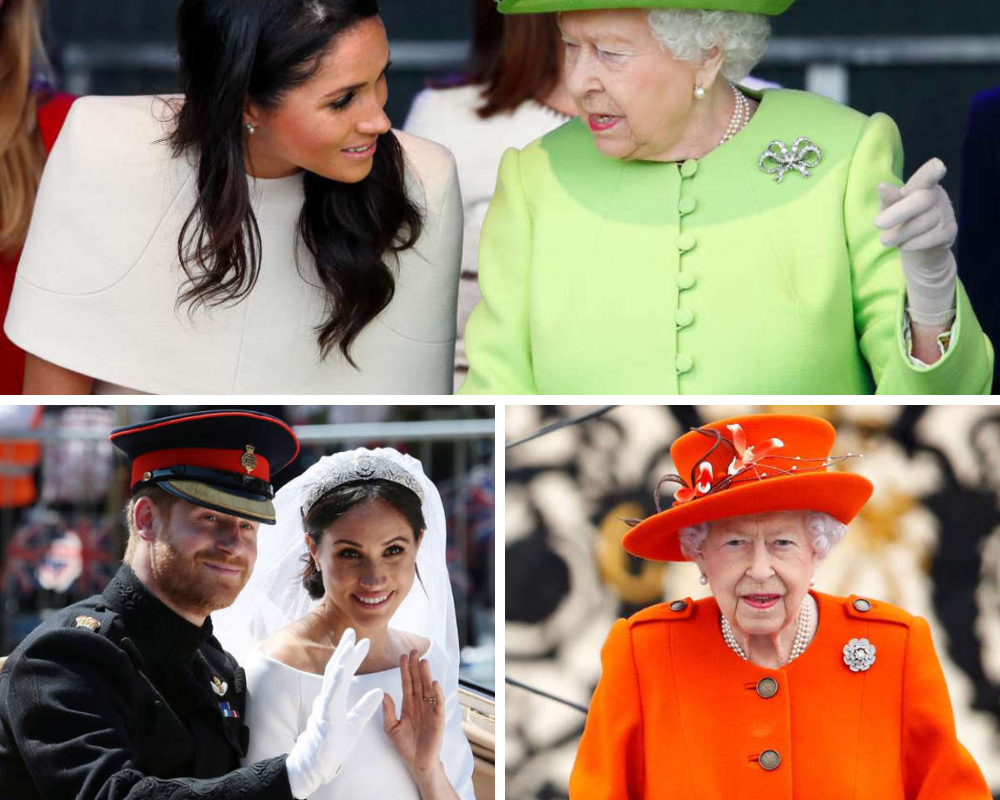
THE CLASH BEHIND THE VEIL — Queen Elizabeth and Meghan Markle’s Heated Exchange Before the Royal Wedding Revealed a Deep Cultural Divide
The sun rose over Windsor Castle on May 19, 2018, painting the ancient stone walls in soft golden light. Inside St George’s Chapel, the world waited for a fairy-tale moment:…
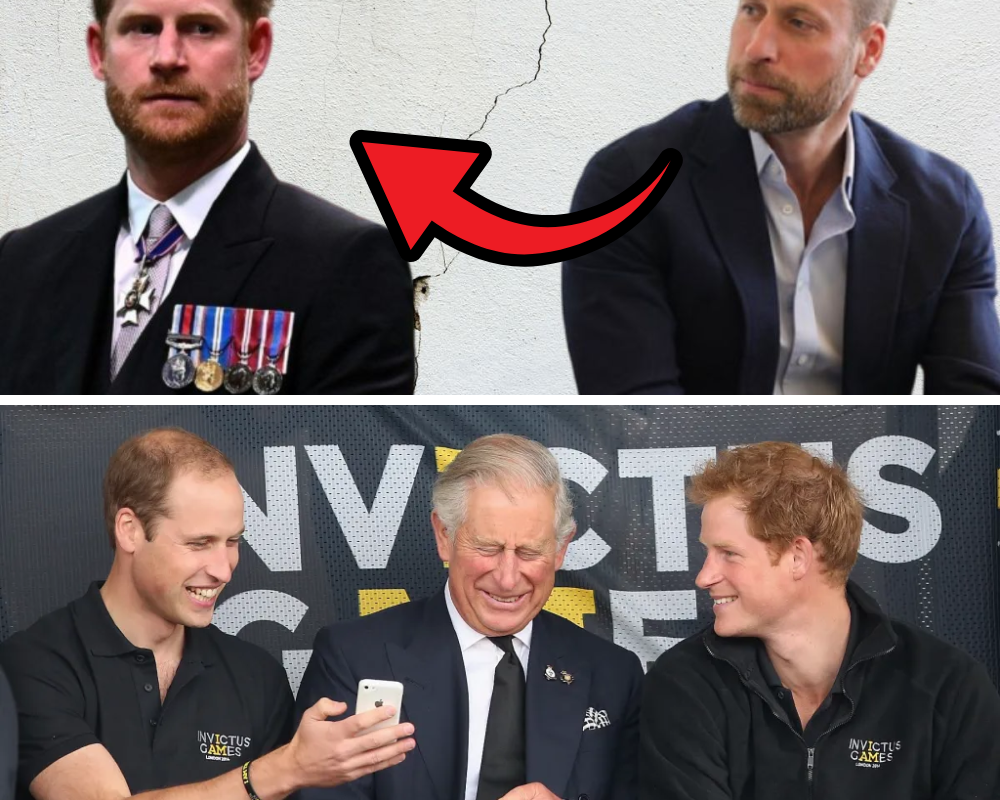
THE BROTHERHOOD THAT BROKE — Prince William Firmly Rejects Any Private Reunion with Harry, Deepening the Royal Rift as Hope for Reconciliation Fades
The rain falls softly on the grounds of Windsor Castle, once the backdrop for two young princes playing together, laughing, and dreaming of the future. Those carefree days feel like…
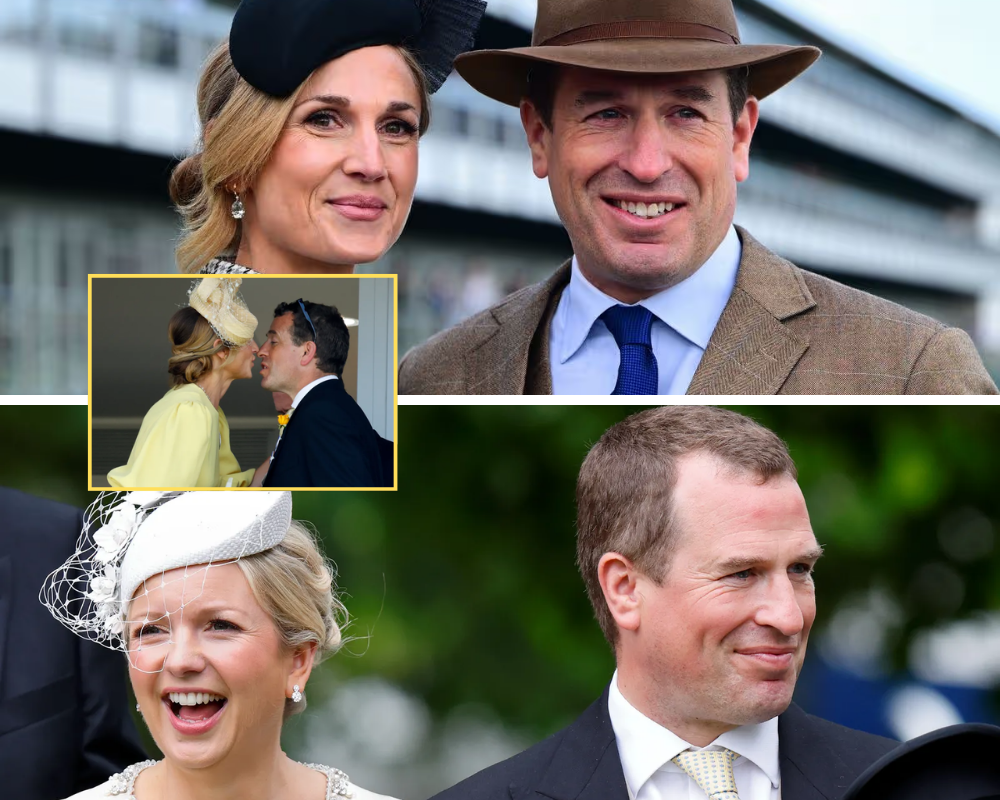
ROYAL WEDDING NEWS — Peter Phillips Sets the Date for His Summer Union with NHS Nurse Harriet Sperling, and the Intimate Details Are Already Captivating Royal Watchers
The quiet English countryside of Gloucestershire stirs with anticipation. In the picturesque village of Kemble, near the rolling hills of the Cotswolds, All Saints Church stands ready—its ancient stone walls…

RESULTS NIGHT WAS SUPPOSED TO BE SIMPLE… BUT EVERYTHING SUDDENLY STOPPED — American Idol Season 24 Hits Historic Pause as Unprecedented Voting Surge Leaves Everyone in Shock and Forces a Dramatic Delay
The stage glowed under bright lights. Fourteen talented dreamers stood shoulder to shoulder, hearts pounding, eyes fixed on Ryan Seacrest. The air crackled with that familiar mix of hope and…

VOTES LOST IN THE CHAOS — American Idol’s Official Account Speaks Out on Why Your Social Media Votes Aren’t Counting, Shares the Exact Error Messages Fans Must Avoid to Save Their Favorites
The lights dim on the American Idol stage. The final notes of a powerful performance still hang in the air. Millions of hearts race as viewers grab their phones, ready…
End of content
No more pages to load