In a moment that has quickly become one of the most talked-about highlights of American Idol Season 24, 24-year-old Montgomery, Alabama native Trew The Star stepped onto the audition stage and delivered a performance so raw and heartfelt that it left judge Luke Bryan visibly shaken. “That gave me full body chills,” Bryan admitted, his voice catching with emotion as he spoke directly to the young singer. The words weren’t hyperbole—this wasn’t just another strong vocal; it was a profound outpouring of a lifetime of pain, resilience, and unbreakable family love transformed into music.
Trew, whose stage name boldly declares his aspirations, grew up in challenging circumstances that forced him to mature far faster than most. As the oldest sibling, he took on significant responsibilities early in life, stepping up to help care for his younger brothers and sisters amid family hardships. His relationship with his mother was complicated—marked by periods of distance, misunderstanding, and deep hurt during his childhood. Yet even through the difficulties, love persisted. Tragically, his mother passed away in 2022, just as Trew was beginning to process and forgive the past, leaving him with unresolved emotions and a fierce determination to honor her memory while proving to his family that dreams are worth chasing.
Music became Trew’s refuge and his voice for healing. From a young age, he and his mom would watch American Idol together, dreaming of the day he might stand on that very stage. That shared ritual planted the seed for his journey, turning the show into a symbol of possibility amid struggle. When he finally auditioned—after three previous attempts that didn’t make it to the judges—he carried more than nerves; he carried a mission. “It’s more than auditioning,” he shared in his pre-performance package. “It’s about my family—showing them you can do anything you put your mind to.”
Under the bright lights, with judges Luke Bryan, Lionel Richie, and Carrie Underwood watching intently, Trew chose Sam Cooke’s timeless classic “Nothing Can Change This Love.” The song, with its gentle yet unwavering declaration of enduring affection, felt tailor-made for his story. As he began singing, the room fell silent. His voice—smooth, soulful, and rich with emotion—carried every layer of his experiences: the pain of absence, the strength forged in hardship, the quiet forgiveness that comes with time, and the unbreakable bond that survives it all. He didn’t just perform the lyrics; he lived them, letting vulnerability pour through each note without apology.
The judges were visibly moved. Lionel Richie rose from his seat to offer a warm hug, praising the authenticity and storytelling in Trew’s delivery. Carrie Underwood nodded along, her eyes reflecting the emotional weight of the performance. But it was Luke Bryan who captured the moment most poignantly. Known for his emotional responses on the panel, Bryan sat stunned for a beat before speaking. “It was the first time in three days that I’ve had full body chills the whole time,” he said, his voice thick with feeling. “It was so real and genuine. I want to see your family enjoy this ride.” The words hung in the air, a rare, unguarded admission from a judge who has seen thousands of auditions.
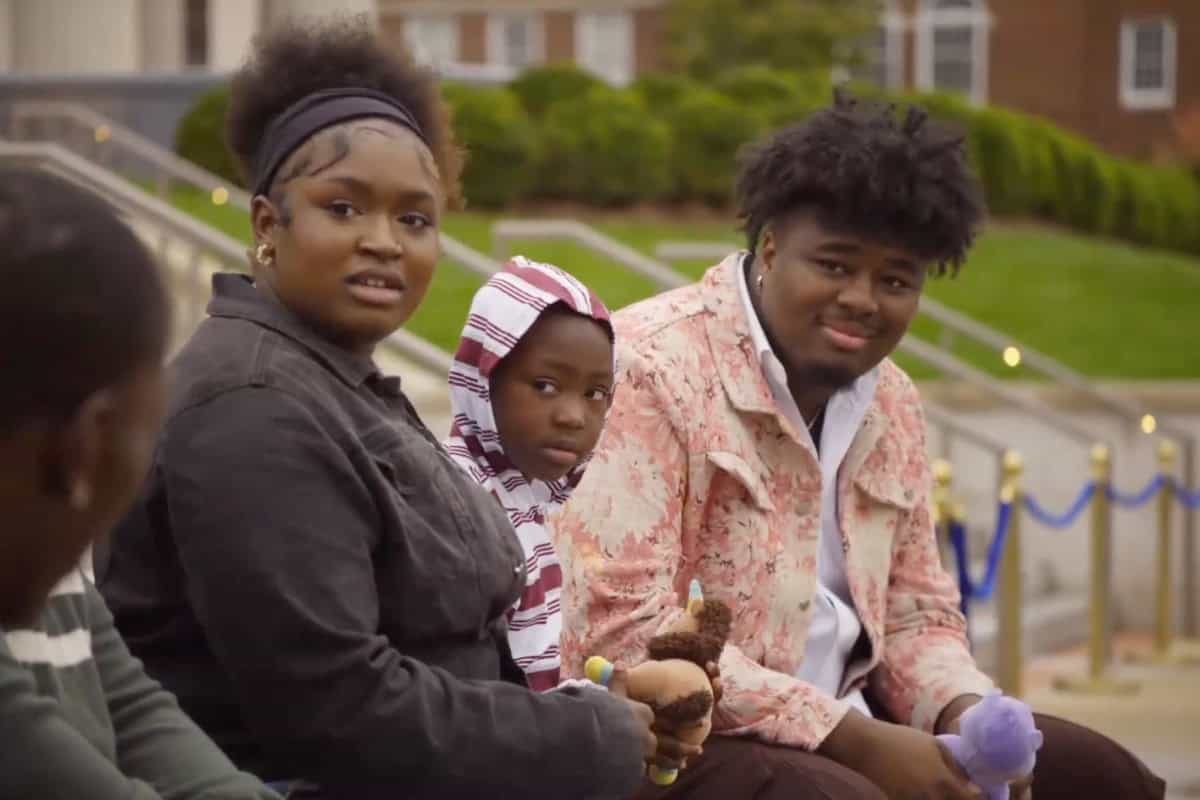
Trew’s family joined him on stage for the verdict, turning the moment into a shared triumph. With three resounding “yeses” and a golden ticket to Hollywood Week in hand, the celebration was joyful yet bittersweet—his mother’s absence felt deeply, yet her influence was unmistakable in every note he sang. Trew dedicated the performance to her and to his siblings, proving that love, even tested by hardship, can indeed remain unchanged.
Social media erupted almost immediately. Clips of the audition spread rapidly, with viewers echoing Bryan’s chills. “This gave me goosebumps,” one fan posted. “The way he sings with so much heart—tears.” Another wrote, “Trew just proved that real pain makes real art.” The performance resonated far beyond the usual Idol buzz, striking a chord with anyone who has navigated family complexity, loss, or the drive to rise above difficult beginnings. Trew’s story reminded audiences that American Idol at its best isn’t just about finding the next big voice—it’s about uncovering human resilience and turning personal trials into something beautiful and inspiring.
As Trew heads to Hollywood, the pressure mounts, but so does the support. His journey has already become a beacon for those who have faced similar struggles—proof that scars can become sources of strength, that vulnerability isn’t weakness, and that love, in its truest form, endures. Luke Bryan’s chills weren’t just a reaction; they were a shared recognition that what unfolded on that stage transcended entertainment. It was a testament to healing, hope, and the quiet power of a voice that refuses to be silenced by the past.
In an era where reality TV moments often fade quickly, Trew The Star’s audition lingers. It reminds us why we keep watching: because every so often, someone steps forward and reminds us that music can carry the weight of a lifetime—and still lift it higher.