Supergirl Set To Be A MASSIVE Bomb For James Gunn’s DCU After Milly Alcock BACKLASH
As James Gunn’s ambitious reboot of the DC Universe continues to take shape, one of its most anticipated projects now faces serious headwinds. Supergirl: Woman of Tomorrow, starring Milly Alcock as the titular heroine, is generating more controversy than excitement just weeks before its June 26, 2026 theatrical release. What was meant to be a fresh, emotionally grounded take on Kara Zor-El has instead become a lightning rod for fan frustration, with many industry observers and online voices predicting it could become one of the biggest box office disappointments in the new DCU era.
The film, directed by Craig Gillespie (Cruella, I, Tonya), adapts Tom King and Bilquis Evely’s acclaimed 2021-2022 comic miniseries. It promises a darker, more mature Supergirl — a traumatized survivor who arrives on Earth decades after her cousin Superman and carries deep scars from Krypton’s destruction. Unlike the optimistic, all-American heroics of David Corenswet’s Superman, this Kara is portrayed as flawed, angry, and grappling with heavy emotional baggage. She teams up with a young alien girl named Ruthye on a vengeful journey across the cosmos, encountering dangerous figures like the pirate assassin Krem and even crossing paths with the bounty hunter Lobo, played by Jason Momoa.
On paper, the project had strong potential. Milly Alcock earned praise for her breakout role as young Rhaenyra Targaryen in House of the Dragon, demonstrating the intensity and vulnerability needed for a complex Kara. James Gunn has championed the film as a key building block for his interconnected DCU, positioning Supergirl as a “total mess” of a hero whose difficult backstory sets her apart from her more hopeful cousin. Early set photos showing Alcock alongside Corenswet fueled optimism, and the inclusion of fan-favorite elements like Krypto the Superdog and cosmic-scale adventures suggested a visually ambitious spectacle.
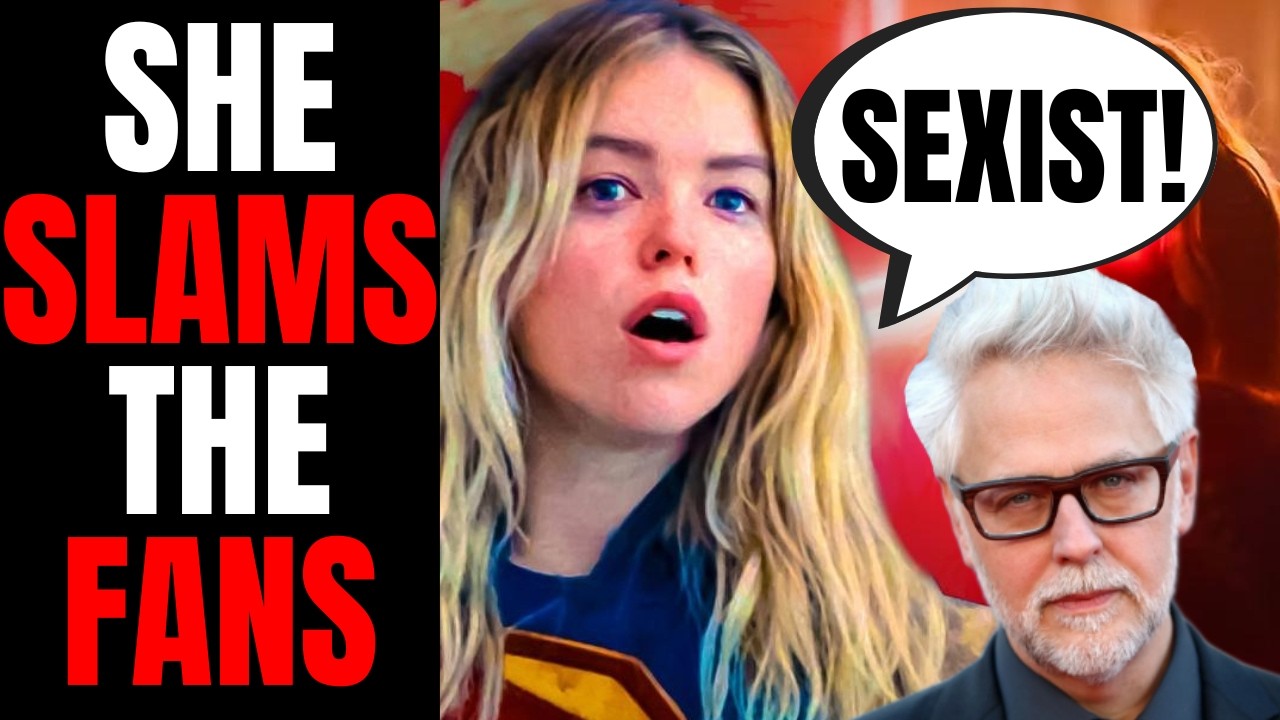
Yet the pre-release momentum has shifted dramatically. Much of the negativity traces back to Alcock herself and a series of interviews where she addressed potential backlash against her casting and the film. In conversations with outlets like Vanity Fair and Variety, the 25-year-old actress suggested that criticism of her performance or the movie would likely stem from misogyny and discomfort with women “simply existing” in major fan franchises. She referenced the intense scrutiny she faced during House of the Dragon and drew parallels to broader debates about superhero cinema, even expressing understanding for Martin Scorsese and Ridley Scott’s past criticisms of the genre.
These comments, intended perhaps as a shield against inevitable online discourse, have instead ignited a firestorm. Clips of the interviews spread rapidly across social media, with many fans interpreting them as preemptive attacks on audiences rather than genuine concerns. Detractors accused Alcock of alienating core comic book readers — particularly male fans — before they even had a chance to see the film. Terms like “another Snow White situation” began trending, referencing past controversies around female-led remakes perceived as dismissive toward traditional audiences. YouTube channels and conservative commentators amplified the narrative, framing Alcock’s remarks as evidence of a larger cultural disconnect in modern superhero storytelling.
The backlash has manifested in several damaging ways. Early social media sentiment tracking shows unusually low positive buzz for a major DC title this close to release. Fan forums and review-aggregation sites are filled with comments from people declaring they will skip the film in theaters, citing Alcock’s attitude as the primary reason. Some tracking reports suggest opening weekend projections have softened considerably, with domestic estimates now hovering in ranges that would make profitability difficult given the reported $170 million budget.
This situation puts significant pressure on James Gunn and DC Studios co-CEO Peter Safran. Gunn has built goodwill through the successful Superman (2025), which grossed over $600 million and earned strong reviews for its heartfelt tone. However, the DCU’s long-term success depends on consistent audience turnout across multiple projects. A weak performance from Supergirl could signal deeper issues with fan engagement, especially as the studio expands into ensemble films and series like Lanterns and Paradise Lost.
Compounding the problem are mixed reactions to the marketing materials released so far. Trailers have highlighted the film’s grittier aesthetic, with a hungover, world-weary Supergirl drinking under red suns and embarking on a revenge quest. While some praised the bold departure from traditional portrayals, others criticized the tone as overly bleak or “depressing” for a character historically known for optimism. The visual effects in certain sequences also drew early skepticism, though full judgment awaits the final cut. Jason Momoa’s Lobo has been a highlight in teases, bringing chaotic energy that many hope can salvage broader appeal.
Alcock’s defenders argue the outrage is overblown and itself proves her point about gendered scrutiny. They point out that actors in major franchises often discuss the challenges of fame and toxic fandom without facing the same level of coordinated pushback. Supporters highlight her talent and the strength of the source material, insisting the film should be judged on its merits once released. Gunn and Safran have reportedly stood by their star, with Safran publicly backing Alcock amid the controversy.
Yet the reality of modern blockbuster filmmaking is unforgiving. In an era where word-of-mouth and pre-release sentiment heavily influence box office, negative narratives can become self-fulfilling. Recent history is littered with examples of films that suffered when key cast or creative voices clashed with audiences online. Studios have learned the hard way that alienating even a portion of the dedicated fanbase can lead to catastrophic results, especially for characters without the built-in nostalgia of Batman or Superman.
Looking at the broader DCU landscape, Supergirl was positioned as a bridge between the more grounded Superman and larger cosmic stories. Its success could have accelerated plans for future team-ups and established Kara as a major player alongside characters like Batman (rumored for a gritty reboot) and Wonder Woman. A bomb, however, might force Gunn to recalibrate, potentially delaying interconnected plans or shifting focus to safer, more universally appealing projects.
The film’s cast remains impressive on paper. Matthias Schoenaerts brings gravitas to the complex villain Krem, while young Eve Ridley shines as Ruthye, providing an emotional anchor for Supergirl’s journey. David Krumholtz and Emily Beecham round out the Kryptonian family elements, and Momoa’s Lobo promises scene-stealing moments. If the finished product delivers strong action, heartfelt drama, and visual spectacle, it could still overcome the pre-release noise. Gillespie’s track record with character-driven stories offers hope that the emotional core will resonate.
Nevertheless, the current environment is challenging. Comic book adaptations are no longer guaranteed hits. Audiences have grown more selective, demanding quality storytelling over brand recognition alone. The combination of Alcock’s comments, polarized marketing, and general superhero fatigue creates a perfect storm that could result in disappointing ticket sales. International markets, which often carry superhero films, may also prove lukewarm if the controversy continues dominating headlines.
For Milly Alcock personally, this represents a high-stakes moment in her rising career. Transitioning from prestige television to blockbuster lead is never easy, and the spotlight brings both opportunity and intense pressure. How she navigates the coming weeks — whether through continued engagement or stepping back from the discourse — could influence not just this film’s reception but her long-term prospects in the franchise.
James Gunn faces a delicate balancing act as well. His vision for a cohesive, creator-driven DCU has been refreshing after years of inconsistency, but maintaining audience trust is paramount. The studio may need to ramp up positive promotion, highlight the film’s strengths, and perhaps lean into the more fun, adventurous aspects to counter the darker perceptions.
As June 26 approaches, Supergirl stands at a crossroads. It has the potential to be a bold, memorable addition to the superhero genre — a story about trauma, resilience, and found family set against stunning cosmic backdrops. Yet the pre-release backlash has created significant obstacles that could prove insurmountable at the box office. Whether the final product can win back skeptics or if the controversy becomes a self-fulfilling prophecy remains to be seen.
One thing is certain: the eyes of the industry are watching closely. A massive underperformance would raise serious questions about the DCU’s trajectory and the challenges of launching new heroes in today’s polarized cultural climate. For now, the narrative has shifted from anticipation to anxiety, leaving Supergirl fighting an uphill battle before it even hits theaters. Gunn’s DCU, still in its infancy, cannot afford many missteps — and this one is proving particularly costly in public perception.