The conclusion of Stranger Things has left not just fans emotional, but the cast themselves in tears as they bid farewell to a series that defined their lives for nearly a decade. As Season 5 wrapped up with its epic finale on New Year’s Eve 2025, stories emerged of the actors’ raw, genuine reactions during the table read of the last episode. What began as a professional gathering turned into a flood of emotions, with uncontrollable crying that underscored how much more this show was than a job—it was a childhood, a family, and a shared journey of growing up together on screen and off.

:max_bytes(150000):strip_icc():focal(999x0:1001x2)/sadie-sink-caleb-mclaughlin-finn-wolfhard-gaten-matarazzo-noah-schnapp-millie-bobby-brown-stranger-things-5-111425-6cc30b3852b74689afb0c1faf393c09b.jpg)
The Emotional Table Read: Tears Flow Freely
The pivotal moment came during the final table read for the series finale, titled “The Rightside Up.” Gathered in Atlanta, the cast—including the young stars who started as children and the veteran actors who mentored them—sat together one last time to hear the script aloud. David Harbour, who plays Chief Jim Hopper, described the atmosphere shifting dramatically halfway through. What started as focused reading evolved into waves of emotion, with people breaking down as the story’s poignant conclusions unfolded.
Harbour singled out Noah Schnapp (Will Byers) as particularly affected, noting how Schnapp’s tears “set everyone off.” The actor recalled the room filling with sobs, especially in the last 20 minutes, as characters’ arcs wrapped up in ways that mirrored the cast’s real-life growth. Finn Wolfhard (Mike Wheeler) admitted he tried to hold it together but ended up “totally bawling,” while others like Millie Bobby Brown (Eleven) and Sadie Sink (Max Mayfield) were visibly moved. Even the Duffer Brothers, creators Matt and Ross, couldn’t hide the impact of bringing their decade-long vision to a close.
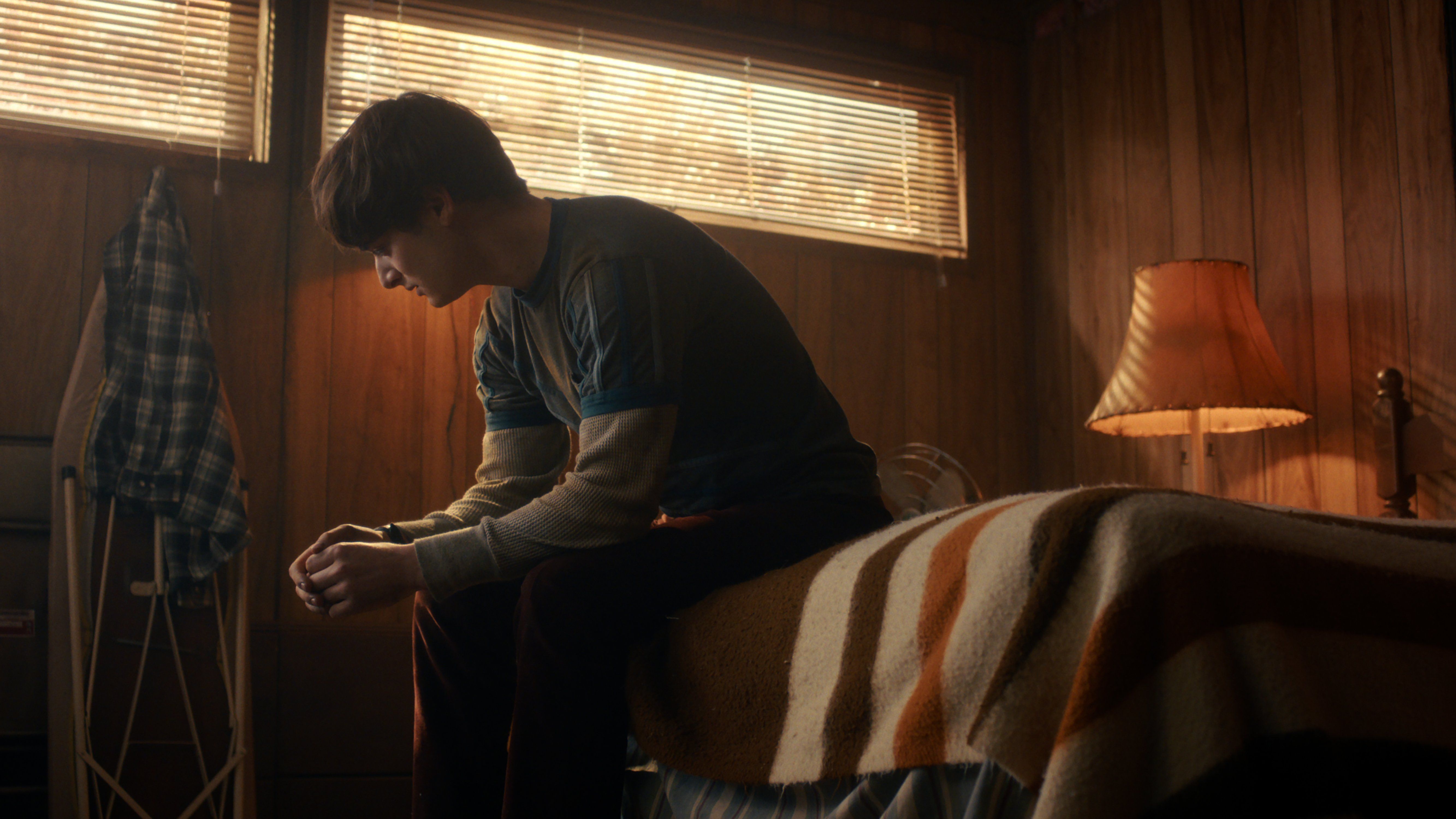
Noah Schnapp later reflected that the emotions built progressively, culminating in everyone crying by the end. He emphasized how powerful the script was on paper alone, anticipating an even greater impact on screen. For Schnapp, whose character Will kicked off the entire saga with his disappearance in Season 1, the finale felt like a full-circle moment—bittersweet and profoundly resonant.
More Than a Job: A Childhood Shared
What makes these reactions hit so hard is the unique bond formed over ten years. The young cast—Millie Bobby Brown, Finn Wolfhard, Gaten Matarazzo (Dustin Henderson), Caleb McLaughlin (Lucas Sinclair), Noah Schnapp, and Sadie Sink—started as kids in 2015. They grew from preteens navigating fame to young adults, experiencing milestones together: first auditions, global stardom, personal challenges, and unbreakable friendships.
Brown, who was just 12 when filming began, has spoken about how the show shaped her entire adolescence. Wolfhard, Matarazzo, and McLaughlin echo similar sentiments, describing the set as a second home where they learned not just acting, but life lessons from mentors like Harbour, Winona Ryder (Joyce Byers), and Maya Hawke (Robin Buckley). The final table read wasn’t just about scripted goodbyes—it was the cast confronting their own: saying farewell to daily routines, inside jokes, and the safety net of this extraordinary ensemble.
:max_bytes(150000):strip_icc()/stranger-things-season-5-finale-123025-6-efba8bb096594e389962e196602caf12.jpg)
Harbour, a father figure on set, called the finale “the best episode we’ve ever done,” praising how it beautifully examined the theme of leaving childhood behind. The tears weren’t manufactured; they stemmed from genuine loss. As the young actors read lines reflecting their characters’ futures, it mirrored their own transitions into adulthood without the constant of Stranger Things.
The Finale: A Fitting, Emotional Send-Off
The two-hour series finale delivered massive battles, shocking revelations, and heartfelt closures that honored every season. From epic confrontations in the Upside Down to quiet moments of reflection, it provided satisfying arcs while tugging at heartstrings. Key emotional beats—like character farewells, rediscovered powers, and themes of love triumphing over darkness—evoked the same responses in viewers that the cast experienced during the read.
The episode’s epilogue, spanning decades, allowed glimpses into the characters’ lives post-Hawkins, blending nostalgia with hope. Fans reported theaters and homes filled with sobs, echoing the table read’s intensity. The Duffer Brothers crafted an ending that felt earned: bittersweet, triumphant, and deeply human.
A Legacy of Bonds and Growth
Stranger Things wasn’t just a cultural phenomenon—it was a formative experience for its stars. The young ensemble, now in their late teens and early 20s, have repeatedly credited the show with teaching resilience, empathy, and the value of chosen family. Off-screen adventures, conventions, and group chats kept the magic alive, making the end feel like losing a piece of themselves.
As the credits rolled on the finale, the cast’s reactions reminded everyone why the show endured: authentic emotion. Their tears weren’t acting—they were real grief for a chapter closing, mixed with gratitude for what it gave them. In a Hollywood landscape of fleeting projects, Stranger Things forged lifelong connections, proving some stories—and friendships—truly are stranger, stronger, and forever.
The heartbreak of that final table read captures it all: ten years of laughter, scares, and growth, distilled into pages that brought them to tears. For the cast, it wasn’t an ending—it was a thank you to their shared past.