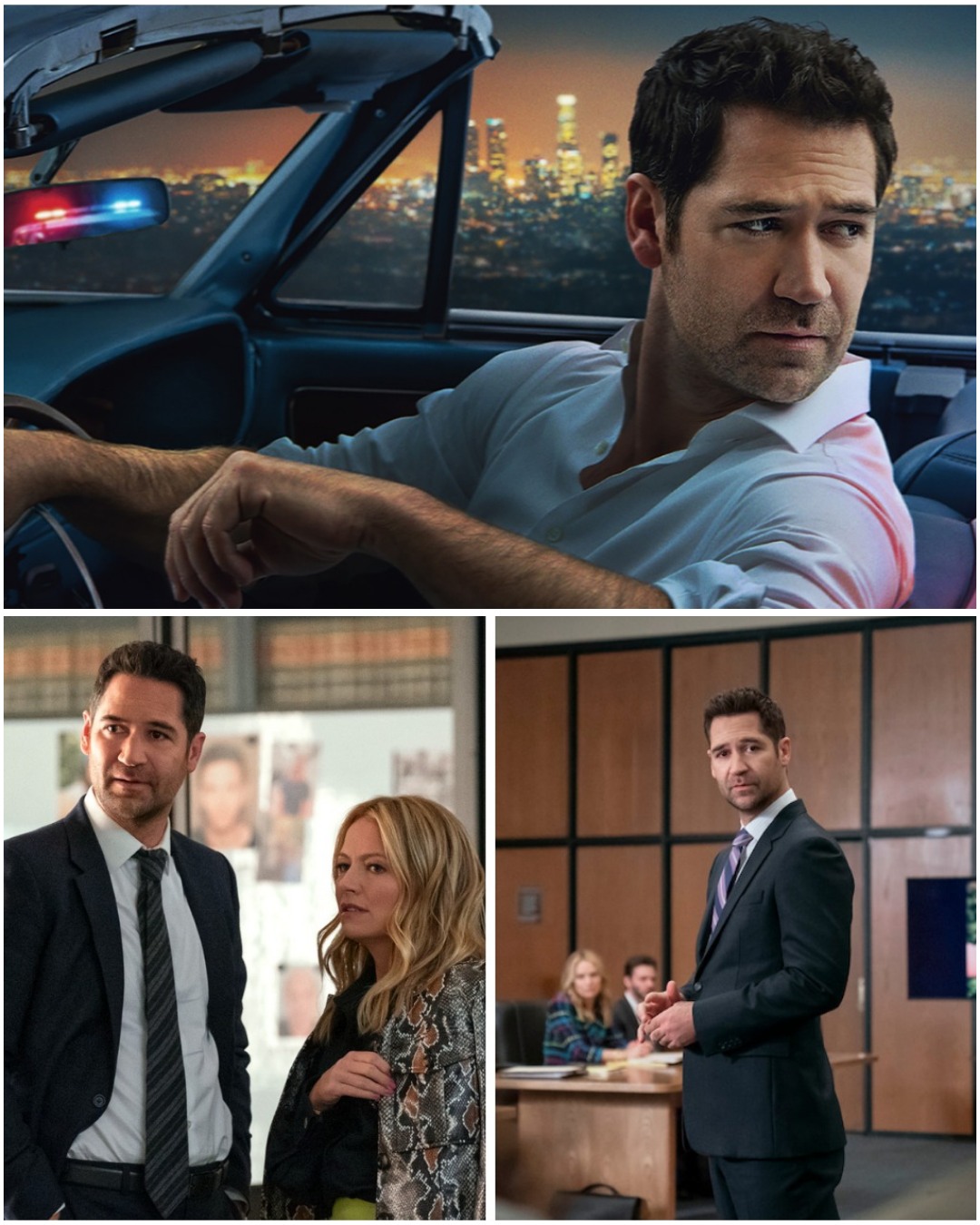
In a stunning broadcast and streaming triumph that’s splitting audiences right down the middle, Fox’s new medical comedy-drama Best Medicine exploded onto screens with its January 4, 2026 premiere, racking up an eye-popping 10.8 million multiplatform viewers to date—marking the network’s biggest streaming debut in nearly three years. Led by Josh Charles in a deadpan, misanthropic turn as the brilliant but brusque surgeon-turned-small-town doc, the show has ignited a firestorm: critics are charmed (73–75% on Rotten Tomatoes), praising the charm and crackling chemistry, while die-hard fans are raging online, trashing it as a “mismatched, softened” betrayal of the iconic British series Doc Martin (audience scores hovering at a brutal 38–46%).
The premise is deceptively simple—and instantly divisive. Dr. Martin Best (Charles), a top-tier Boston heart surgeon, abruptly abandons his high-stakes career after a traumatic incident during surgery on a young girl triggers a debilitating phobia of blood. He flees to the quaint coastal fishing village of Port Wenn, Maine—the very place where he spent idyllic childhood summers with his aunt. There, he takes over the local general practice, expecting quiet efficiency. Instead, he’s thrust into a whirlwind of quirky locals, nosy neighbors, and endless small-town rituals that clash violently with his blunt, no-filter personality. He hates chit-chat, despises people who demand emotional labor, and visibly recoils at the sight of even a paper cut—yet his medical genius keeps him indispensable.

Charles brings a finely tuned grouchiness to the role, channeling the original’s Martin Ellingham (played by Martin Clunes) while softening just enough edges to make him palatable for American audiences. His deadpan delivery lands punchlines like daggers: “I don’t like people,” he declares flatly, or snaps at patients mid-exam. The blood phobia is played for both comedy and pathos—fainting spells, frantic escapes from exam rooms, and ironic moments where the man who once performed open-heart surgery now hyperventilates over a nosebleed. Critics hail Charles’ performance as the glue holding the show together, with Variety noting his “cantankerous charm” keeps the zaniness from tipping into farce.
Opposite him, Abigail Spencer shines as Louisa Gavin, the warm, tenacious local schoolteacher who becomes Best’s reluctant romantic foil. Their chemistry crackles from the start: she calls out his rudeness, he dismisses her optimism, yet sparks fly amid the friction. Supporting players add color—Annie Potts as the salty, no-nonsense aunt Sarah (a lobsterwoman instead of a farmer), Cree as the kooky, social-media-obsessed receptionist Elaine, Josh Segarra as the puppy-dog sheriff Mark (Louisa’s ex, still pining), and a parade of eccentric townsfolk like the gay couple whose pet pig roams their restaurant kitchen.
The show leans hard into whimsy: baked bean dinners, high-school rivalries, a hermit teaching wilderness survival to local ladies, and endless unsolicited advice from neighbors. It’s a deliberate shift from the original’s sharper, more acerbic tone—Doc Martin was famously unapologetic about its protagonist’s abrasiveness, refusing easy explanations or quick redemption arcs. Here, Best’s phobia gets a childhood-trauma backstory for sympathy points, and the Maine setting (filmed partly upstate New York, drawing some location gripes) emphasizes idyllic coastal charm over gritty realism. No opioid crises, no heavy darkness—just quirky Americana with a side of lobster rolls.
That softening is exactly what’s fueling the backlash. Fans of the 18-year British hit (10 seasons, global phenomenon on PBS, Acorn TV, and Prime) are livid. Online forums and reviews explode with accusations: “This is nothing like the original,” “A disgrace and embarrassment,” “Shame on Josh Charles and Abigail Spencer.” The audience score cratering to 38–46% reflects deep disappointment—many see it as “watered-down” for broader appeal, losing the raw edge that made Doc Martin so addictive. One IMDb reviewer summed it up: “If you loved Doc Martin, this so-called remake is a disgrace.” The divide is stark: critics appreciate the low-key likability and cozy escapism (Hollywood Reporter calls it “warm as a wool blanket”), while purists decry the loss of the original’s prickly authenticity.
The numbers, though, don’t lie. The January 4 premiere—airing after an NFL doubleheader—pulled 3.69 million linear viewers, with the episode climbing to 10.8 million across broadcast, Hulu, and digital platforms in the following days. Hulu alone delivered 1.3 million viewers within seven days, landing the series on the platform’s Top 15 consistently. Fox touts it as their most-streamed debut in nearly three years, a lifeline for broadcast amid cord-cutting chaos. Streaming next-day on Hulu has broadened its reach, turning what could have been a niche remake into a mainstream talking point.
Co-created and executive produced by Liz Tuccillo (Sex and the City alum), with Ben Silverman and original Doc Martin producers on board, the show aims for an “American spin” on the eccentricity—idyllic Maine charm mixed with absurdity. Martin Clunes even guests as Best’s father in a nod to the source material. Yet the gamble is clear: soften the edges for mass appeal, risk alienating the die-hards who made the original a cult favorite.
As episodes roll out Tuesdays at 8 p.m. ET on Fox (with Hulu streaming), the debate rages: Is Best Medicine a clever, cozy reinvention that captures the humanity and humor of the original while fitting U.S. broadcast? Or is it a hate-watch disaster, too cutesy and compromised to honor what made Doc Martin special? Critics lean toward charm; fans toward betrayal. With 10.8 million eyes already watching, Fox has a hit on its hands—but whether it survives the backlash may depend on how much “best” medicine viewers are willing to swallow.