William Nicholson’s poignant play Shadowlands returns to the West End in a highly anticipated revival, promising to deliver one of the most emotionally resonant theatrical experiences of the year. Running for a limited season at the Aldwych Theatre from February 5 to May 9, 2026, this deeply moving drama—based on the true story of renowned author C.S. Lewis and his unexpected romance with American poet Joy Davidman—explores the transformative power of love against the backdrop of profound grief. Directed by Rachel Kavanaugh, the production reunites a stellar cast, blending intellectual wit, tender intimacy, and raw heartache in a narrative that has been hailed as both devastating and uplifting.
The story unfolds in the mid-1950s, centered on Jack (C.S. Lewis), a reserved Oxford academic and celebrated writer whose life revolves around lectures, scholarly debates with colleagues, and the imaginative worlds he creates in books like The Chronicles of Narnia. A confirmed bachelor living a comfortable, orderly existence with his brother Warnie, Lewis preaches about suffering and faith from a safe intellectual distance, viewing pain as something to be endured philosophically rather than experienced viscerally.
This sheltered world is upended by the arrival of Joy Davidman, a bold, outspoken American writer who corresponds with Lewis as an admirer of his work. Initially, their meeting is one of minds—sparked by shared literary passions and theological discussions. Joy, escaping an unhappy marriage, travels to England with her young son Douglas. What begins as a platonic friendship evolves into something deeper, challenging Lewis’s long-held beliefs about love, vulnerability, and the nature of joy itself.
As their relationship blossoms, complications arise: Joy’s visa issues force a marriage of convenience, but genuine affection soon follows. The narrative takes a heartbreaking turn when Joy is diagnosed with terminal cancer. Lewis, confronted with real suffering, grapples with his faith, questioning why a loving God allows such pain. Their brief but intense marriage becomes a journey of emotional awakening, filled with moments of humor, passion, and quiet devastation. The play culminates in reflections on loss, resilience, and the enduring beauty of human connection, affirming that true joy often emerges from embracing life’s fragility.
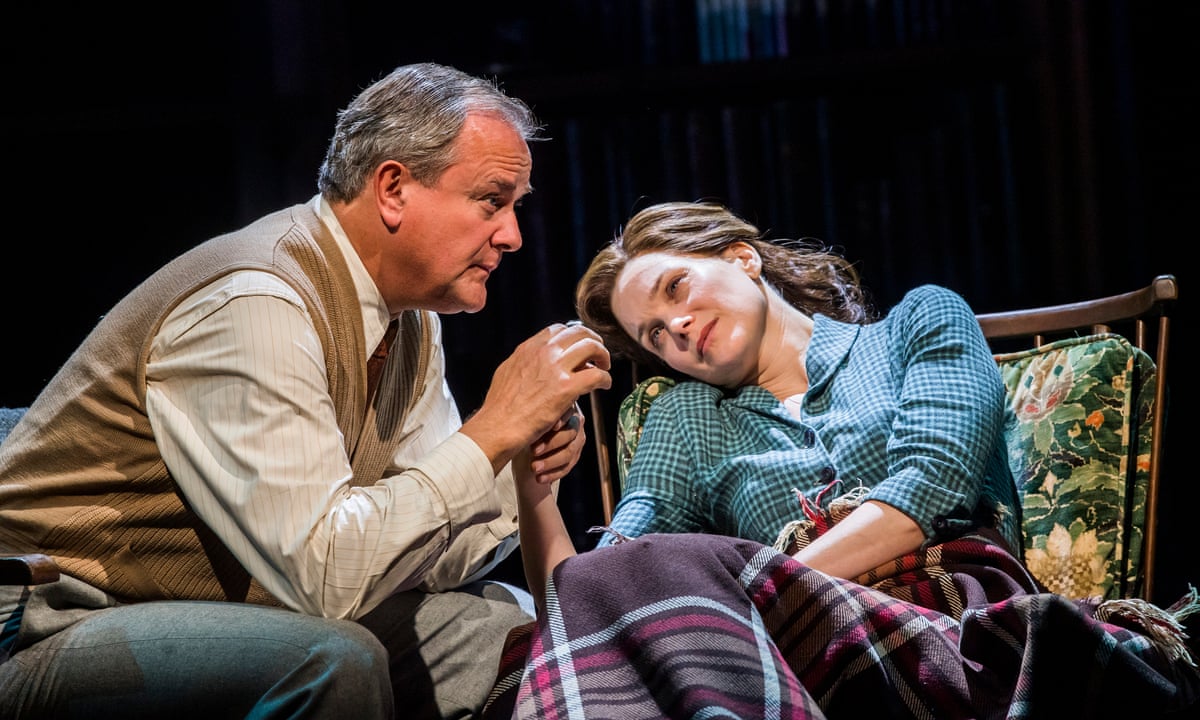
Nicholson’s script masterfully balances intellectual discourse with emotional depth, weaving in Lewis’s own philosophical ideas about pain and desire. Witty exchanges give way to profound confrontations, creating a tapestry of laughter amid tears. The production’s intimate staging heightens the personal stakes, drawing audiences into the characters’ inner worlds while evoking universal themes of love’s risks and rewards.
At the core are richly drawn characters whose complexities drive the drama. C.S. Lewis (known as Jack) is a brilliant yet emotionally guarded man, whose rational worldview crumbles under the weight of real love and loss. His evolution from detached scholar to passionately vulnerable husband forms the emotional backbone.
Joy Davidman is a vibrant, fearless force—intelligent, humorous, and unapologetically direct. Her energy disrupts Lewis’s routine, teaching him to live fully while facing her own mortality with courage and grace.
Major W.H. Lewis (Warnie), Jack’s devoted brother, provides steadfast support and comic relief, navigating the changes in their household with wry affection and quiet concern.
Rev. Harry Harrington represents the academic circle, offering perspectives on faith and friendship that contrast with the personal upheaval.
Supporting roles, including colleagues and Joy’s son Douglas, flesh out the ensemble, highlighting themes of community, belief, and familial bonds in a mid-century Oxford setting.
These characters transcend archetypes through their moral and emotional ambiguities, making their journeys profoundly relatable and moving.
The cast brings extraordinary depth to these roles, elevating the revival to must-see status. Hugh Bonneville reprises his acclaimed portrayal of C.S. Lewis, delivering a performance of subtle power and nuance. With his warm presence and precise timing, Bonneville captures Lewis’s intellectual poise, bashful charm, and eventual raw grief, drawing audiences into the character’s transformative arc with quiet intensity and heartbreaking authenticity.
Maggie Siff stars as Joy Davidman, infusing the role with fiery spirit, sharp wit, and profound vulnerability. Her commanding yet tender performance highlights Joy’s boldness and resilience, creating electric chemistry with Bonneville that makes their evolving romance both believable and deeply affecting.
Jeff Rawle, a beloved figure from series like Doc Martin, plays Major W.H. Lewis (Warnie) with heartfelt warmth and understated humor, providing emotional grounding and sibling camaraderie.
Tony Jayawardena brings thoughtful gravitas to Rev. Harry Harrington, enriching the philosophical discussions with sincerity.
Timothy Watson rounds out the principal ensemble, contributing to the authentic portrayal of Lewis’s academic world.
The actors’ seamless interactions—ranging from lively debates to intimate confessions—forge genuine connections, amplifying the play’s emotional impact. Bonneville and Siff, in particular, deliver moments of such raw honesty that the production lives up to its reputation for leaving audiences in tears while feeling profoundly uplifted.
Shadowlands stands as a timeless exploration of love’s capacity to illuminate life’s shadows, blending heartbreak with affirmation in a way that resonates long after the final curtain. This revival, with its exceptional cast and sensitive direction, promises an intimate, unforgettable theatrical journey—one that reaffirms the fragile, exquisite beauty of human experience.