The case for reconciliation starts with the human element, something the royals have long struggled to embrace publicly. King Charles, at 77, has shown glimpses of vulnerability since his cancer diagnosis in 2024. Sources close to the palace suggest he’s increasingly reflective, prioritizing family over feuds. Last September’s 55-minute private tea at Clarence House marked their first face-to-face in nearly two years—a tentative step that Harry described as a “breakthrough.” In a May 2025 BBC interview, Harry openly expressed his desire for mending fences: “I would love reconciliation with my family. If they don’t want that, that’s entirely up to them.” His words echoed a man weary of war, perhaps motivated by fatherhood to Archie and Lilibet, whom Charles has seen sparingly.

Advocates argue that extending an olive branch isn’t just sentimental—it’s strategic. The monarchy’s relevance in a modern, diverse Britain hinges on unity and relatability. A fractured family risks alienating younger generations who see the Sussexes as symbols of progress against outdated institutions. Royal commentator Hilary Fordwich notes that Charles is under pressure from Harry on security issues, hinting at conditions for a return. Rumors abound of grand gestures: Charles reportedly considering inviting the Sussexes to Balmoral Castle, his “most personal residence,” or Highgrove House for a stay. Such moves could signal “trust, forgiveness, and a genuine desire to heal,” as one insider put it. Harry’s plan to host the 2027 Invictus Games in Birmingham offers another opportunity—sources say he might ask Charles to open the event, fulfilling a “dream” of father-son collaboration for wounded veterans.
From a duty perspective, reconciliation could bolster the Crown’s image amid global scrutiny. The royal family’s slimmed-down ranks—exacerbated by Charles’s health, Kate’s recovery, and William’s burdens—leave gaps that a rehabilitated Harry could fill, at least symbolically. Public polls, like one from The Mirror, show a split but leaning toward hope: many believe Charles’s potential U.S. trip in the coming months could include a detour to Montecito, meeting his grandchildren and kickstarting peace talks. Forgiveness, after all, aligns with Charles’s environmental and harmony ethos—he’s the king who once felt “bonkers” for going organic but persisted. Why not apply that resilience to family?
Yet, the arguments against reconciliation are fierce, rooted in pride, protection, and perceived irreparable damage. Harry’s actions—airing grievances in Spare about Camilla as a “villain,” alleging physical altercations with William, and Meghan’s claims of racial bias during her pregnancy—have been labeled as outright betrayal. Critics argue these weren’t private vents but calculated strikes for financial gain, raking in millions from books, shows, and deals while eroding the monarchy’s mystique. Royal editor Russell Myers warns that Harry’s “sense of an agenda,” including ongoing legal battles against the British press, inhibits trust. “Only when there’s a diminished sense of an agenda will his family take him seriously,” Myers has said.
Prince William, heir apparent, stands as the biggest roadblock. Allies describe him as “aghast” at any softening toward the Sussexes, viewing their exploits as direct threats to the institution. William’s focus on duty—evident in his Earthshot initiatives and support for Kate—leaves little room for what he sees as disloyalty. Insiders claim William has “slammed the door” on Harry, prioritizing the Crown’s stability over sibling bonds. A reconciliation without accountability could set a dangerous precedent: if Harry returns with privileges like security funded by taxpayers, it might spark public backlash, especially amid economic strains.
Protection of the Crown looms large. The monarchy survived abdications, divorces, and scandals, but Harry’s revelations have humanized it to a fault, stripping away the fairy-tale facade. Charles, ever the pragmatist, must weigh if welcoming them back invites more chaos. Meghan’s independent streak—her American Riviera Orchard brand and Archewell ventures—clashes with royal constraints, potentially fueling fresh headlines. As one expert put it, “The damage is done for good.” Harry’s jabs at figures like Donald Trump have already complicated Charles’s diplomatic efforts, adding layers of risk. With the King’s U.S. visit on the horizon, any misstep could undermine Britain’s soft power.
Public sentiment mirrors this divide. Online forums buzz with passion: some hail Harry as a truth-teller escaping toxicity, urging Charles to embrace modernity. Others decry the Sussexes as “grifters,” insisting the monarchy can’t afford vulnerability. A CTV News analysis posits 2026 as a “turning point”—reconcile or risk irrelevance. Yet, skeptics like Tom Bower caution that any meeting carries “risk,” fearing leaks or renewed drama.
In weighing in, it’s impossible to ignore the emotional toll. Charles, once criticized for emotional distance, now faces accusations of weakness if he yields. Harry, portrayed as jealous or agenda-driven, seeks connection amid personal setbacks like Archewell scandals. Meghan, often scapegoated, represents change the Firm resists. Duty demands the King safeguard the institution, but pride—Harry’s defiance, Charles’s legacy—complicates it. Forgiveness could heal, but at what cost to the Crown’s sanctity?
Ultimately, the decision rests with Charles. Will he extend that olive branch, perhaps at Balmoral or the Invictus stage, forging a new chapter? Or will pride prevail, cementing the rift? As the nation watches, one family’s choices could redefine royalty—or doom it to division. What say you—time to forgive, or let the damage stand?
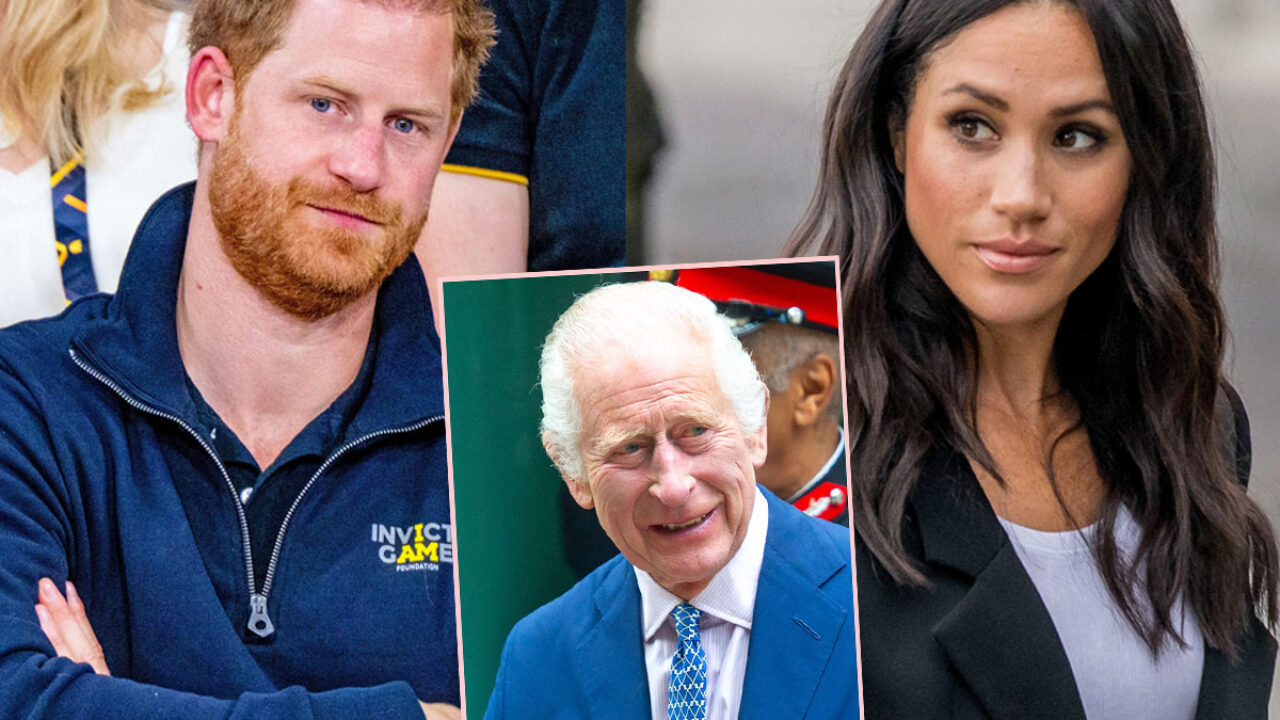
The debate rages on, but recent developments hint at momentum. Harry’s security battles and Charles’s quiet signals suggest talks are brewing. Yet, with William’s firm stance, any peace might be fragile.

For the monarchy’s sake, perhaps 2026 demands bold action. Reconciliation isn’t just about family—it’s about survival in a skeptical world.