As anticipation builds for Matt Reeves’ highly awaited sequel, The Batman – Part II, set to hit theaters on October 1, 2027, one name keeps surfacing in fan discussions and industry whispers: Hush, the enigmatic villain also known as Dr. Thomas “Tommy” Elliot. While nothing is officially confirmed, Hush has emerged as a leading contender among enthusiasts and observers for a major role in the film. This childhood friend-turned-nemesis of Bruce Wayne perfectly aligns with Reeves’ vision of a grounded, psychologically intense Gotham, especially given subtle setups in the 2022 original and the director’s own hints about exploring personal threats to the Dark Knight.
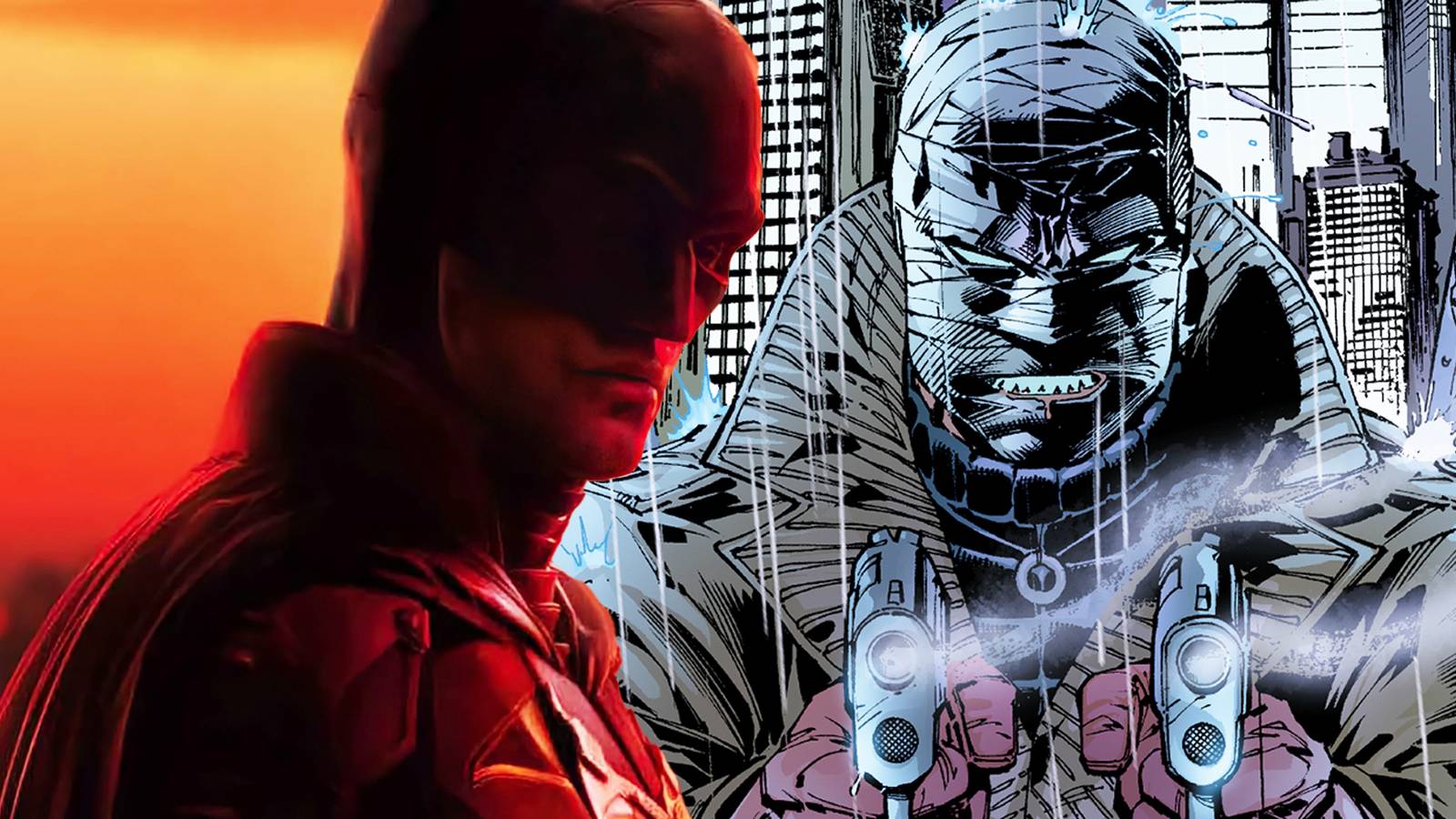
The Batman redefined the Caped Crusader for a new era, portraying Robert Pattinson’s Bruce Wayne as a brooding, detective-focused vigilante in his second year of crime-fighting. The film masterfully wove a noir-inspired tale of corruption, flooding Gotham with riddles from Paul Dano’s chilling Riddler while introducing Colin Farrell’s rising Penguin and Zoë Kravitz’s enigmatic Catwoman. Its success—critical acclaim, strong box office performance, and an Emmy-nominated spinoff series in The Penguin—has set high expectations for the sequel. Reeves has described Part II as delving deeper into Bruce Wayne’s psyche, promising a story that uncovers “different sides” of the character through a villain never fully realized on the big screen before.
Enter Thomas Elliot, better known to comic fans as Hush. Created by Jeph Loeb and Jim Lee in the iconic 2002-2003 storyline Batman: Hush, Elliot is a brilliant neurosurgeon and former playmate of young Bruce Wayne. Their friendship shattered when Tommy, resentful of his abusive parents, orchestrated a car accident to kill them for inheritance. Bruce’s father, Thomas Wayne, saved Tommy’s mother, thwarting the plan and fueling a lifelong hatred. As an adult, Elliot discovers Bruce’s secret identity as Batman—often with aid from the Riddler—and adopts the bandaged persona of Hush, orchestrating elaborate schemes to dismantle Bruce’s life, manipulate his rogues’ gallery, and even surgically alter his face to impersonate him.
Hush’s appeal lies in his psychological depth: he’s not a flamboyant madman but a calculated mirror to Batman, driven by jealousy, intellect, and personal vendetta. In Reeves’ realistic universe—devoid of supernatural elements and focused on human corruption—Hush fits seamlessly. No need for over-the-top powers; his threat comes from surgical precision, manipulation, and intimate knowledge of Bruce’s vulnerabilities. Fan art and concepts often depict him as a shadowy figure with bandaged features, lurking in Gotham’s elite circles, perhaps using advanced disguises or alliances to strike at Batman’s core.
The groundwork for Hush was subtly laid in the first film. During the Riddler’s exposes on Gotham’s elite, he highlights a scandal involving “hush money” paid to silence reporter Edward Elliot, with the word “HUSH” boldly stamped across footage of Thomas Wayne. Production designer Kalina Ivanov later confirmed the naming of a bridge as “Elliot Bridge” was intentional, planting seeds for Tommy Elliot’s existence in this world. Fans have long theorized this as deliberate foreshadowing, especially since the Riddler in comics often collaborates with Hush, sharing knowledge of Batman’s identity.
These connections fuel compelling sequel ideas: a mystery where a “familiar face” emerges, perhaps impersonating Bruce Wayne to sow chaos in his personal and public life. Theories abound of Hush framing Batman for crimes, exploiting post-flood Gotham’s instability, or allying with returning foes like the Penguin. Some speculate ties to Clayface for disguise elements, though separate projects have shifted focus elsewhere. Reeves’ emphasis on a personal, unexplored villain aligns perfectly—Hush’s vendetta strikes at Bruce’s past, forcing confrontation with childhood trauma and the Wayne legacy’s darker sides.

Industry buzz has occasionally amplified the speculation, with past whispers linking Hush to the project alongside other rogues. Reeves himself has expressed enthusiasm for the character in interviews, noting his interest in villains tied to Bruce’s history. While DC Studios heads like James Gunn have downplayed unconfirmed reports, the persistent fan momentum keeps Hush atop wish lists. In a franchise prioritizing emotional stakes over spectacle, Hush offers a cerebral antagonist: no gadgets or mutations, just raw intellect and betrayal from someone who once called Bruce a friend.
Casting possibilities excite further—actors with sharp intensity could embody Elliot’s duality: charming surgeon by day, vengeful mastermind by night. The sequel’s delayed production, now eyeing a late 2025 start, allows time for such intricate plotting. With The Penguin bridging narratives and exploring Gotham’s power vacuum, Part II could escalate into a war on multiple fronts, where Hush pulls strings from the shadows.
Whether Hush materializes as the primary threat or a cunning supporting player, his potential inclusion would honor comic roots while innovating for Reeves’ gritty Epic Crime Saga. Fans envision epic confrontations: Batman unmasking a face eerily similar to his own, questioning identity and trust in a city already fractured. The idea of a villain stealing Bruce Wayne’s life—ruining his empire, alienating allies—promises high personal drama amid Gotham’s chaos.
As pre-production ramps up, the mystery endures. Reeves’ sequel aims to evolve Pattinson’s Batman, pushing him toward growth while facing threats that hit closer than ever. If Hush steps into the spotlight, it could deliver one of cinema’s most intimate Batman rivalries—a battle not just of fists, but of fractured psyches and buried secrets. Until official word arrives, the speculation thrives, reminding us why Gotham’s shadows hold endless allure.