As King Charles III continues to steer the British monarchy through a period of transition and heightened public scrutiny, one figure continues to cast a long and uncomfortable shadow over his reign: his younger brother, Andrew Mountbatten-Windsor, formerly known as Prince Andrew, Duke of York. Despite being stripped of his royal titles, honors, and much of his public role, Andrew remains a persistent source of anxiety for the King — not because of past scandals alone, but due to fears over what unpredictable steps his brother might take next.
At the heart of Charles’s unease lies a combination of legal, financial, and reputational risks that refuse to fade. Andrew’s long-standing association with the late Jeffrey Epstein has evolved into active police investigations on both sides of the Atlantic. In February 2026, Andrew was arrested on suspicion of misconduct in public office, an extraordinary development that sent shockwaves through the royal household. Although he has consistently denied any wrongdoing, the arrest — coupled with ongoing searches of properties and calls for access to unredacted Epstein files — has placed the monarchy in an unprecedented defensive position.
King Charles, who has already taken decisive action by removing Andrew’s titles and relocating him from the grand Royal Lodge to a more modest property on the Sandringham estate, is said to be deeply concerned that further revelations or legal developments could inflict lasting damage on the institution he has spent his life preparing to lead. Insiders describe the King as “nervous” about Andrew’s potential next moves, particularly any attempt to push back publicly, seek financial support, or even leverage his remaining place in the line of succession (currently eighth) for attention or negotiation.

The financial dimension adds another layer of tension. With his annual allowance reportedly cut and private security costs now falling on the King’s personal purse, Andrew’s legal expenses are mounting. Reports suggest he has grown anxious about the sustainability of his situation, raising the possibility that he could seek further assistance from the family or make public appeals that would embarrass the monarchy. Charles is understood to be weighing options for a “modest stipend” to contain the situation privately, hoping to prevent Andrew from pursuing independent — and potentially damaging — ventures that have backfired in the past.
Adding to the King’s concerns is the broader political and diplomatic fallout. Discussions in Parliament about removing Andrew from the line of succession entirely have gained traction, with some MPs arguing it is necessary to protect the monarchy’s reputation. While Charles is said to be reluctant to “meddle” directly with succession rules — fearing it could open a “can of worms” regarding other family members or appear prejudicial — the pressure is mounting. A state visit to the United States has even been floated as a possible opportunity to quietly push for greater access to Epstein-related documents, though the idea brings its own discomfort given the sensitive nature of the files.
At 77 and navigating his own health challenges, Charles is focused on modernizing and streamlining the monarchy. He envisions a slimmer, more accountable institution centered on duty, service, and public trust. Andrew’s continued presence — even in exile — threatens that vision. Every new headline revives questions about the monarchy’s accountability, its handling of past scandals, and its relevance in contemporary society. The King and Prince William are reportedly “desperate” to draw a firm line under the Andrew chapter and move forward, but the former Duke of York shows little sign of remorse or willingness to fade quietly into the background.
The situation is further complicated by family dynamics. Andrew’s daughters, Princess Beatrice and Princess Eugenie, are viewed as largely blameless by senior royals, complicating any blanket approach to succession changes. Meanwhile, the contrast with the Duke and Duchess of Sussex adds another layer of sensitivity. While Harry and Meghan have distanced themselves through their own choices, Andrew’s issues strike at the heart of the “working royals” model and raise uncomfortable questions about oversight and privilege within the family.
Royal experts note that Charles has already gone further than his mother, Queen Elizabeth II, ever did in distancing the institution from Andrew. The late Queen was often described as more lenient toward her second son, but Charles acted decisively once the evidence became overwhelming. Stripping titles, evicting him from Royal Lodge, and publicly expressing “deepest concern” while insisting the law must take its course marked a clear break from the past. Yet these measures have not fully neutralized the threat. Andrew’s arrest and the drip-feed of Epstein-related documents keep the story alive, forcing the palace into reactive mode at a time when the King wants to focus on positive initiatives like the Earthshot Prize and Commonwealth work.
For Charles, the real fear is not just another scandal, but the cumulative effect on public perception. The monarchy’s popularity has always depended on a delicate balance of tradition, service, and mystique. Prolonged association with serious allegations risks eroding that foundation, particularly among younger generations who are more skeptical of inherited privilege. The King is said to be holding “strategic conversations” aimed at protecting the stability of the institution while allowing legal processes to unfold.
As Andrew remains at Sandringham under closer watch, speculation continues about his next move. Will he seek a settlement or public platform? Could financial pressures lead to further awkward negotiations? Or might he quietly accept a more contained existence funded privately by his brother? Whatever path he chooses, it is clear that King Charles views the situation as a serious threat to the smooth progress of his reign.
In many ways, the Andrew problem encapsulates the challenges facing the modern monarchy: how to balance familial loyalty with institutional duty, how to maintain public trust amid intense scrutiny, and how to adapt to a world where past mistakes refuse to stay buried. For a King who has waited decades for his turn on the throne, the persistent shadow of his brother’s controversies represents both a personal heartache and a professional headache that shows no sign of disappearing soon.
While Charles continues his public duties with characteristic dedication, those closest to him acknowledge a quiet nervousness about what fresh complications Andrew’s next chapter might bring. In the delicate ecosystem of royal life, one misstep from the disgraced brother could reverberate far beyond Sandringham, testing the resilience of a monarchy already navigating significant change.
News
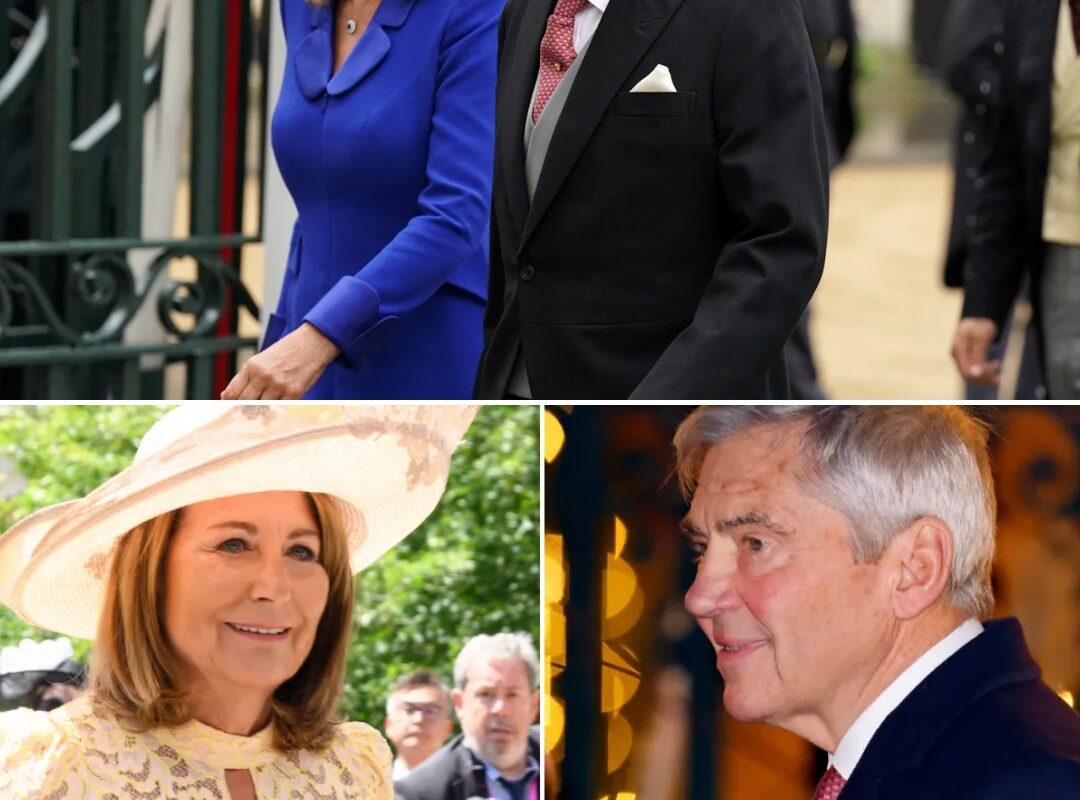
ROYAL CLAIM: King Charles III Makes Surprising Move Involving Michael Middleton and Prince William
In a quiet but highly significant development behind the palace walls, King Charles III has reportedly taken an unexpected step by formally involving Michael Middleton — the father of the…
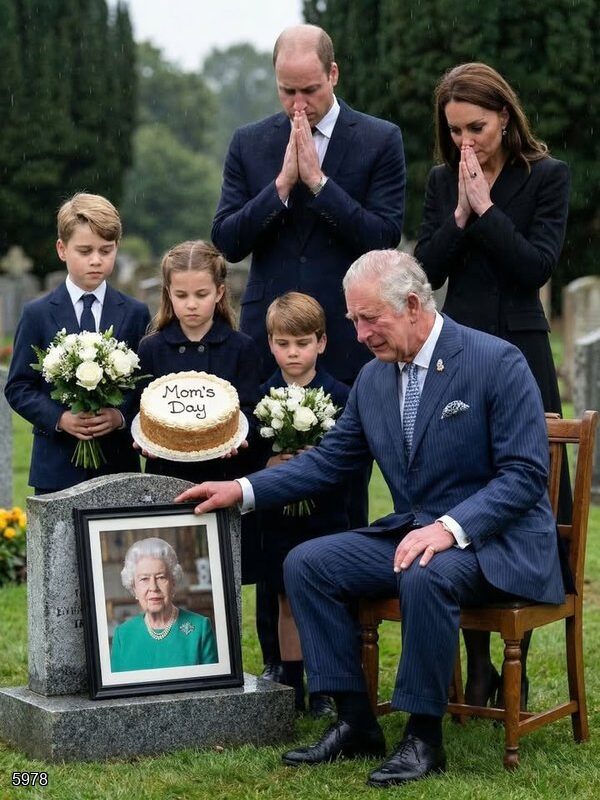
“I Miss You Every Day, Mom…” — A Heartbreaking Moment as King Charles Breaks Down in Tears at Queen Elizabeth II’s Grave
While much of the world was marking Mother’s Day with flowers, cards, and family gatherings in March 2026, King Charles III experienced a profoundly private and emotional day that revealed…
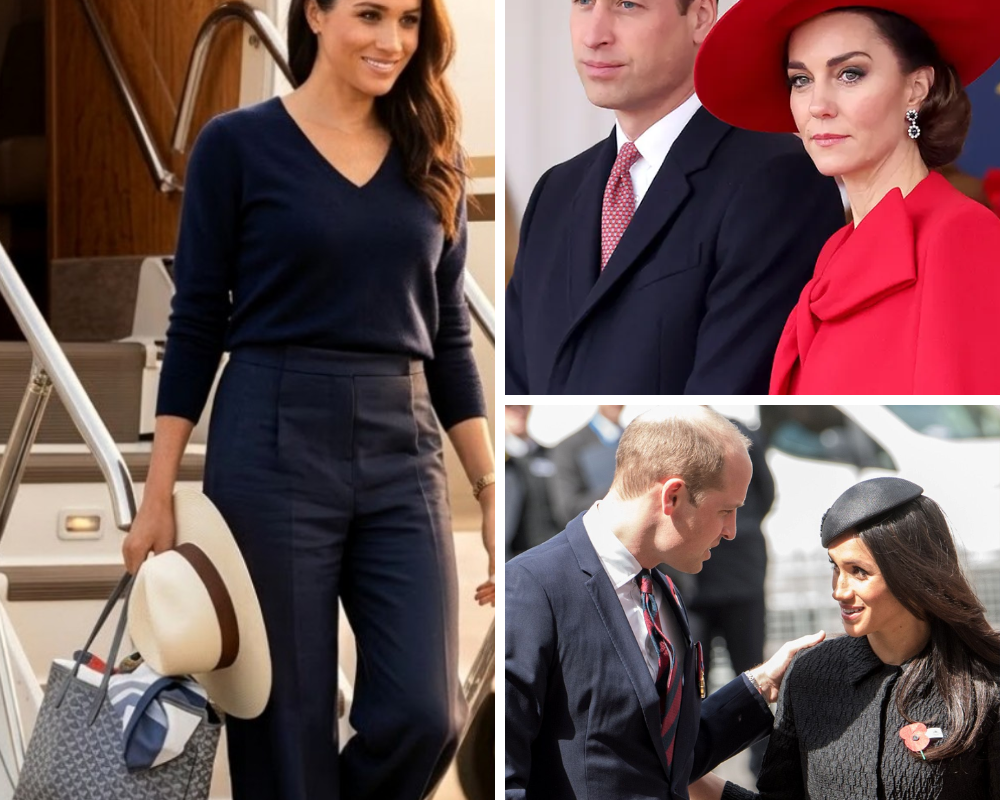
Special Request Rebuffed — Meghan Reportedly Disappointed After Prince William Declines to Engage
In a development that underscores the persistent distance between the Duke and Duchess of Sussex and the senior members of the British royal family, Meghan Markle is said to have…
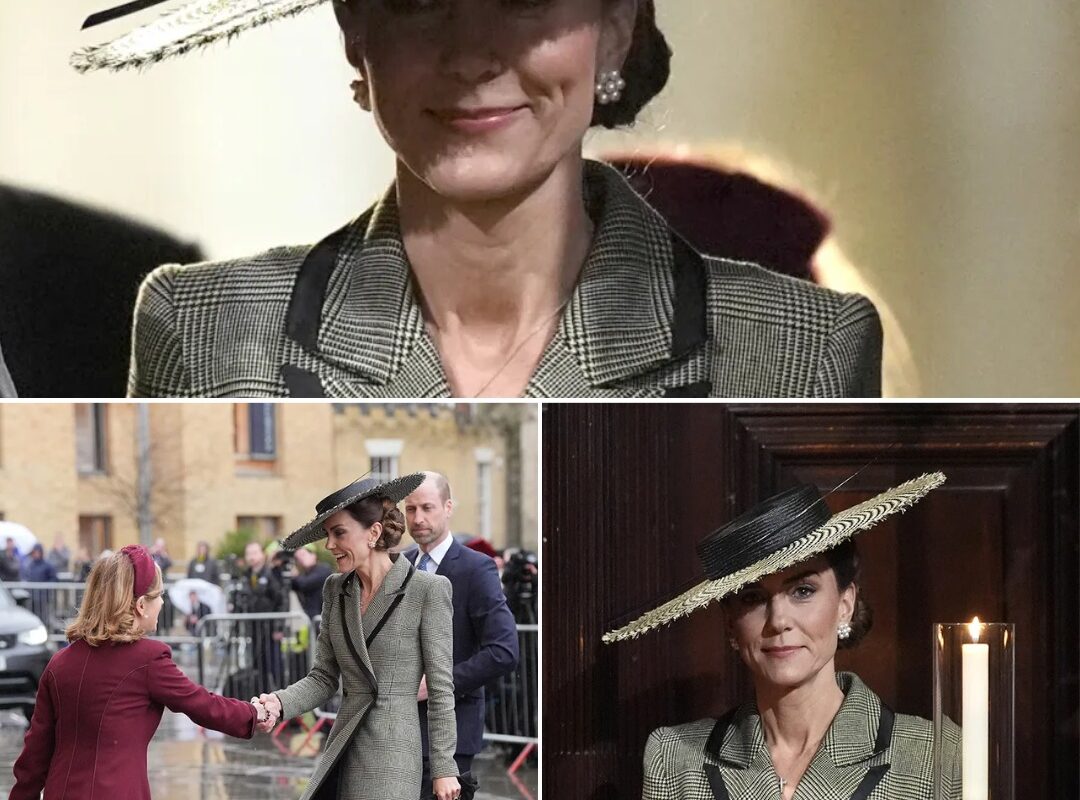
The Look Was Elegant From Every Angle… But One Detail Stole the Spotlight
As Catherine, Princess of Wales, stepped forward at the historic installation of the new Archbishop of Canterbury, all eyes were on her — and for good reason. Her entire ensemble…
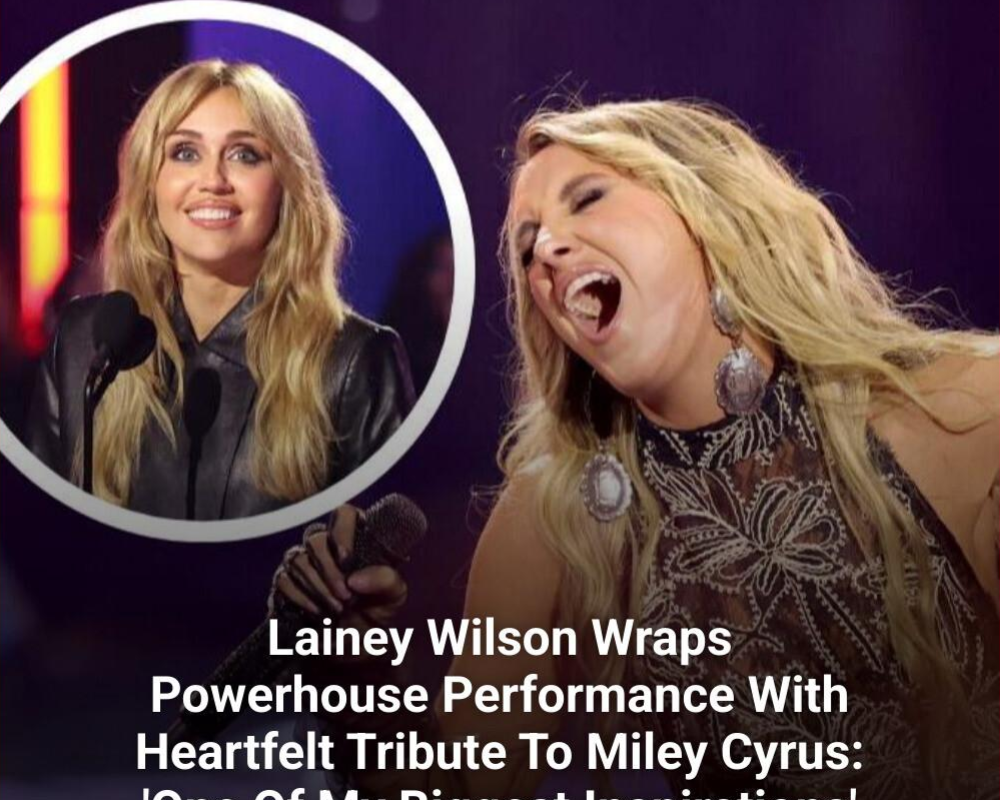
Lainey Wilson Delivers High-Energy Performance and Heartfelt Tribute to Miley Cyrus at the 2026 iHeartRadio Music Awards: From Hannah Montana Impersonator to Country Star
On March 26, 2026, at the Dolby Theatre in Los Angeles, Lainey Wilson brought the house down during the iHeartRadio Music Awards with a high-energy performance that showcased her signature…

YOU’VE HEARD “IT’S JUST SAD”… BUT NOT LIKE THIS: Hannah Harper’s Raw, Stripped-Back Cover Is Breaking Hearts
In the crowded world of American Idol 2026, where powerful vocals and big productions often dominate the spotlight, Hannah Harper chose a different path. The 25-year-old stay-at-home mom from Southeast…
End of content
No more pages to load