Prince William Opens James’ Place Birmingham: A Powerful Stand for Men’s Mental Health and Suicide Prevention
In a heartfelt and highly visible engagement timed perfectly with Mental Health Awareness Week, Prince William, the Prince of Wales, officially opened James’ Place Birmingham on May 11, 2026. The new centre represents the fourth location for the pioneering charity dedicated to providing free, rapid, and life-saving therapy to men experiencing suicidal crisis. By personally touring the facility, listening to powerful personal stories, and speaking openly about the need for greater conversation around suicide, Prince William once again demonstrated his long-standing commitment to mental health advocacy and stigma-breaking work.
The visit to Edgbaston, Birmingham, carried deep significance. James’ Place was founded in memory of James Wentworth-Stanley, a 21-year-old who tragically took his own life. His parents, Clare Milford Haven and Nick Wentworth-Stanley, channelled their profound grief into creating a service that offers immediate, professional support in a welcoming, non-clinical environment. What began as a single centre in Liverpool has now expanded to London, Newcastle, and now Birmingham, with plans for further growth. The Birmingham site is expected to support up to 500 men each year, providing therapy within just two working days of referral — a critical window that can make the difference between life and death.
During his visit, Prince William toured the thoughtfully designed centre, met with staff, local partners, and men whose lives had been saved by the charity’s earlier locations. He listened attentively as individuals shared their experiences of reaching rock bottom and finding hope through timely intervention. The Prince, who has opened every James’ Place facility to date, spoke with genuine warmth about the “fantastic” team and the transformative impact of their work. His presence sent a clear message: mental health struggles, particularly among men, deserve the same attention and resources as physical health issues.
In his remarks, Prince William emphasised the urgent need for more open dialogue. “We need to talk more about suicide, talk more about preventing it, and talk about getting help to young men and women earlier,” he said. He expressed hope that the charity could expand further across the UK so that one day these centres might no longer be necessary. His words carried extra weight coming from someone who, during his time as an air ambulance pilot, witnessed the devastating real-world consequences of mental health crises firsthand. That experience has clearly shaped his advocacy, making his support for men’s mental health both personal and principled.
The statistics surrounding male suicide in the UK remain sobering. Men account for roughly three-quarters of all suicide deaths, with particularly high rates in regions like the West Midlands. In Birmingham and surrounding areas, the need for accessible support is acute. James’ Place addresses this gap by removing common barriers — long waiting lists, clinical settings that can feel intimidating, and financial costs. Instead, it offers a home-like atmosphere where men can speak freely with qualified therapists about the root causes of their distress, whether related to relationships, work, financial pressure, trauma, or isolation.
The new Birmingham centre’s opening was partly funded by generous donations from readers of The Times and The Sunday Times Christmas Appeal, which raised over £300,000 for the project. This community backing, combined with royal patronage, underscores a growing national recognition that suicide prevention requires collective action. Prince William’s involvement has helped shine a sustained spotlight on the issue, encouraging more men to seek help without shame and inspiring broader societal change.
This engagement fits into Prince William’s wider portfolio of mental health initiatives. Through his work with the Royal Foundation, including the Heads Together campaign launched with Prince Harry and the Duchess of Cambridge (now Princess of Wales), he has consistently championed the idea that mental health is everyone’s business. More recently, his focus on early intervention, youth mental health, and reducing stigma around male vulnerability has become even more pronounced. By choosing to highlight James’ Place during Mental Health Awareness Week, he reinforces the message that support should be immediate, compassionate, and stigma-free.
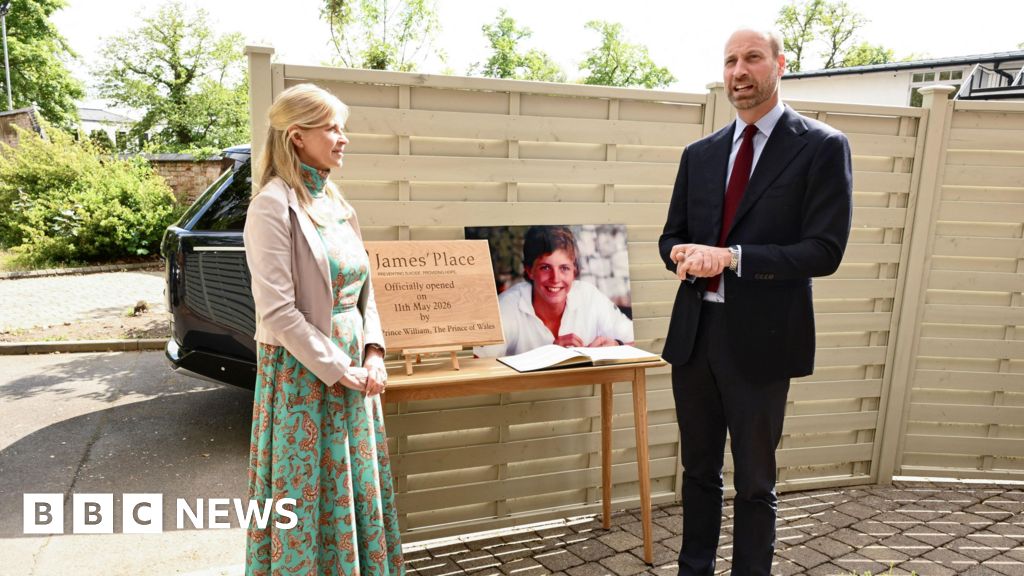
For the founders, Clare and Nick, seeing the fourth centre opened by the future King represents a powerful validation of their son’s legacy. At the visit’s conclusion, Clare stood with Prince William before a photo of James, thanking him for his continued dedication. Moments like these transform personal tragedy into public good, offering hope to thousands who might otherwise feel invisible in their pain.
The design and philosophy of James’ Place centres are deliberately welcoming. Far from institutional, they feel like safe, comfortable spaces where men can rebuild confidence and regain control. Therapy is tailored, short-term where appropriate, and focused on practical outcomes. Success stories shared during the opening illustrated how quickly lives can turn around with the right support — men who arrived in despair leaving with renewed purpose, stronger relationships, and tools to manage future challenges.
Prince William’s consistent advocacy also challenges outdated notions of masculinity. By normalising conversations about emotional struggles and encouraging male role models to speak up, he helps shift cultural expectations. His choice of an Aston Villa-inspired tie during the Birmingham visit added a thoughtful local touch, connecting with the community on a personal level.
As the UK continues grappling with the long-term effects of the pandemic, economic pressures, and social isolation, initiatives like James’ Place are more vital than ever. The charity’s rapid-response model serves as a blueprint for effective intervention. With ambitions to open a fifth centre by the end of 2026 or shortly after, the organisation aims to support up to 2,000 men annually across its network.
For many, Prince William’s visit represented more than a ceremonial opening. It was a beacon of compassion and leadership at a time when mental health support remains underfunded and conversations about male suicide still carry unnecessary shame. By using his platform to listen, learn, and amplify the work of frontline organisations, the Prince of Wales continues to remind the nation that no one should face their darkest moments alone.
James’ Place Birmingham stands as a tangible symbol of hope in the heart of the West Midlands. Its doors opening wide thanks to royal endorsement, community generosity, and dedicated professionals sends a powerful message: help is available, recovery is possible, and every life matters. As Prince William continues his important work in this space, his actions prove that meaningful change begins with listening, speaking openly, and showing up consistently for those who need it most.
In a world that often moves too fast to notice quiet suffering, engagements like this one cut through the noise. They remind us that behind every statistic is a person — a father, son, brother, or friend — who deserves compassion and support. James’ Place Birmingham will undoubtedly save lives, restore hope, and contribute to a future where fewer families endure the pain that inspired its creation. Prince William’s involvement ensures this vital work receives the attention and respect it deserves, inspiring others to join the effort to end preventable tragedy.
The opening marks not just the launch of a new building, but the strengthening of a movement. One where mental health is treated with the same urgency as physical health, where men feel empowered to seek help, and where communities rally together to protect the most vulnerable. Through his words and presence, Prince William has once again shown leadership rooted in empathy — a powerful reminder that even the smallest acts of reaching out can have profound, life-saving impact.
As the centre begins welcoming its first clients, the hope is that many more men will find their own path from crisis to recovery, knowing they are supported, valued, and never alone.