Martin Clunes, best known for his warm, everyman roles in Doc Martin and Men Behaving Badly, delivers a career-defining, deeply unsettling performance in the new two-part factual drama Power: The Downfall of Huw Edwards. Commissioned by Channel 5 (now branded as 5) and produced by Wonderhood Studios, the series—announced in early 2026—marks the first major dramatization of one of the most explosive scandals to rock British broadcasting. Clunes is virtually unrecognizable as the disgraced former BBC News presenter, undergoing a dramatic physical and psychological transformation to portray a man whose public persona as a trusted, authoritative voice masked a predatory private life that ended in conviction for serious child sexual offences.
The drama, directed by BAFTA-winner Michael Samuels and written by Mark Burt, draws on extensive factual research, including first-hand interviews with those at the center of the story and exclusive access to The Sun newspaper’s award-winning investigation. It chronicles how Edwards, once among the BBC’s highest-paid and most respected anchors—famously delivering the news of Queen Elizabeth II’s death in 2022—spiraled into disgrace after years of hidden behavior came to light. The narrative unflinchingly examines the grooming of a vulnerable 17-year-old over many months, the double life that unraveled under scrutiny, and the devastating consequences that led to Edwards’ total withdrawal from public life.
The story begins with Edwards at the height of his career: a polished, authoritative figure trusted by millions to deliver impartial news during some of the nation’s most significant moments. Behind this facade, however, lay a pattern of exploitation. The drama depicts how Edwards, leveraging his status and influence, engaged in prolonged online contact with young men, culminating in the solicitation and receipt of explicit images—including indecent images of children. Key to the scandal was his interaction with a 17-year-old, portrayed as vulnerable and manipulated through persistent messaging and payments for sexual content. This grooming process, shown in stark, controlled scenes, highlights the imbalance of power: a celebrated broadcaster exploiting someone far younger and less secure.
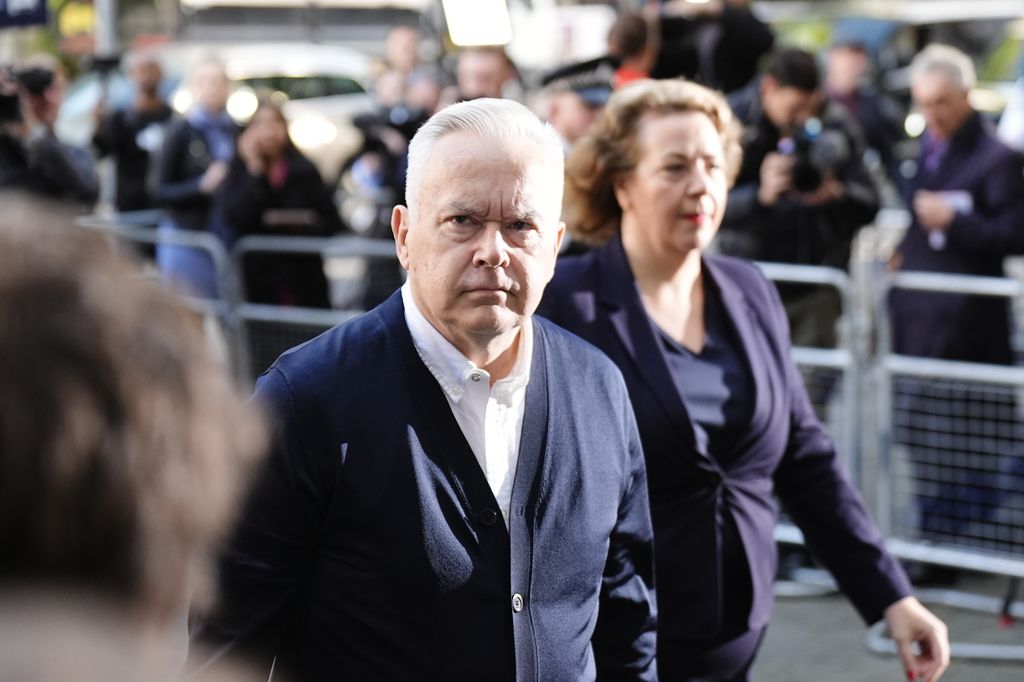
As pressure mounts from investigative journalism—particularly The Sun’s July 2023 report identifying a “top BBC star” paying a teenager for explicit photos—the facade crumbles. Edwards’ wife, Vicky Flind, publicly named him in a statement, leading to his suspension and eventual resignation from the BBC in April 2024. The series recreates the tense period of denial, legal proceedings, and courtroom revelations. In July 2024, Edwards pleaded guilty to three counts of making indecent images of children, admitting to possessing 41 such images (including seven in the most serious Category A classification, some depicting abuse of children as young as seven or nine). Sentenced in September 2024 to six months’ imprisonment suspended for two years, he was placed on the sex offenders’ register for seven years, effectively ending his career and public presence.
Clunes’ portrayal is the drama’s centerpiece. Photographs and first-look images reveal a complete physical overhaul: prosthetics, makeup, and mannerisms that strip away the familiar Clunes persona, leaving a chillingly accurate depiction of Edwards’ demeanor, speech patterns, and demeanor during his downfall. Critics and early reactions describe Clunes as “unrecognizable” and “brutal,” capturing the character’s arrogance, entitlement, and eventual collapse with unflinching precision. The performance avoids caricature, instead presenting a nuanced portrait of a man whose power enabled abuse while his status delayed accountability. Supporting roles include depictions of key figures: journalists who pursued the story, family members grappling with betrayal, and the young victim whose vulnerability is treated with sensitivity.
The drama refuses easy comfort. It explores how institutional silence, deference to celebrity, and a culture of protecting high-profile talent allowed wrongdoing to persist. Scenes recreate the internal BBC deliberations, the initial reluctance to act decisively, and the media storm that forced transparency. It also delves into the psychological toll on victims and those close to Edwards, showing the ripple effects of grooming and exploitation. The grooming process is depicted methodically—persistent contact, emotional manipulation, financial incentives—building a picture of calculated abuse rather than impulsive acts.
What makes Power: The Downfall of Huw Edwards particularly bruising is its refusal to sensationalize. The pacing is deliberate, letting tension build through quiet conversations, tense silences, and the slow accumulation of evidence. The most shocking moment—the public reckoning and Edwards’ final withdrawal from public life—feels inevitable yet devastating, underscoring how status can shield predators until exposure becomes unavoidable.
The series arrives amid ongoing debates about dramatizing real scandals involving sexual offences and power imbalances. Channel 5 emphasizes its factual basis and cooperation from those involved, aiming for a “complex, emotional, and nuanced” portrait rather than exploitation. Early reactions highlight its emotional impact: viewers describe it as “unflinching,” “devastating,” and “necessary,” praising Clunes’ transformation and the drama’s courage in confronting uncomfortable truths.
As a cautionary tale, Power forces reckoning with how easily authority can corrupt and how long silence can protect the powerful. In portraying one of television’s most untouchable figures reduced to disgrace, it serves as stark television that challenges viewers to examine complicity, power dynamics, and the cost of unchecked influence. With Clunes at its core, this is not just a performance—it’s a haunting reminder that even the most trusted voices can hide the darkest secrets.