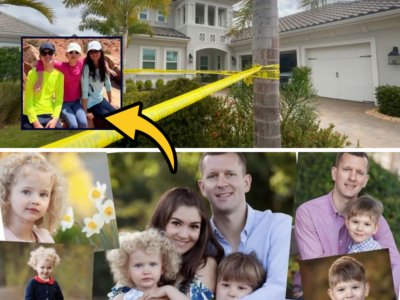
The chilling details emerging from the Manatee County Sheriff’s Office investigation into the Lakewood Ranch murder-suicide reveal a calculated and premeditated act that allowed Monika Rubacha to carry out her plan with devastating efficiency. On February 26, 2026, the 44-year-old mother is believed to have fatally shot her 14-year-old son Josh James and 11-year-old daughter Emma James in separate rooms of their $1.7 million home in the upscale Lake Club gated community before turning the gun on herself. The scene, described by authorities as “violent” and “unimaginable,” underscores how the separation of the victims and the apparent incapacitation of the children prior to the fatal wounds contributed to the success of what investigators deem a planned double homicide followed by suicide.
Deputies from the Manatee County Sheriff’s Office arrived at the residence in the 8200 block of Pavia Way around 8:30 p.m. after the children’s father, Richard James, requested a welfare check from South America. He had been unable to contact his family for over a day and a half despite repeated attempts. Upon entry, officers discovered the three bodies in different parts of the house: Josh in one room, Emma in another, and Monika in a third. All sustained traumatic injuries consistent with gunshot wounds, and the layout immediately suggested intentional sequencing rather than a chaotic or impulsive event.
Sheriff’s Office spokesperson Randy Warren emphasized the premeditation, noting that evidence at the scene—including the deliberate placement of the victims in separate rooms—indicated planning. Josh, the older child, appears to have been the first targeted, based on preliminary assessments of the timeline and positioning. This order may have been strategic, minimizing the chance of one child alerting or interfering with the other. The separation prevented any immediate cries for help or combined resistance, allowing Monika to move methodically through the home.
Further analysis points to the chilling possibility that both children were rendered unconscious or incapacitated before the lethal shots were fired. While the exact medical examiner’s findings on toxicology or cause of death remain pending full autopsy release, investigators have indicated that the nature of the injuries and scene evidence suggest the victims were not fully aware or able to react at the moment of the fatal act. This could explain how a single individual managed to overpower and harm two children without signs of a prolonged struggle visible in the initial walkthrough. The absence of defensive wounds or disarray in the rooms supports the theory that the children were subdued—perhaps through sedation, surprise, or another means—prior to being shot, ensuring the plan proceeded without interruption.

The premeditated elements extend beyond the physical layout. Authorities have stressed that “there was some planning involved, enough to where she knew what she was doing.” This assessment draws from the overall scene: no prior domestic calls to the home, no immediate outward signs of crisis reported by neighbors, and the family’s seemingly stable life in an affluent suburb. The Rubacha-James family had relocated to Lakewood Ranch from Missouri about three years earlier, settling into a community known for its security, excellent schools, and family-oriented environment. From the exterior, they presented as typical of the area—successful, private, and unremarkable in their daily routines.
Yet the choice to isolate the children in separate spaces points to forethought about logistics and risk reduction. In familicide cases, perpetrators sometimes act in a single location for speed, but here the division of rooms suggests an intent to control the environment, perhaps to delay discovery or to handle each victim individually. The fact that both children were reportedly “unconscious” or unresponsive before the fatal injuries were inflicted adds a layer of calculation, potentially involving prior administration of substances or other methods to ensure compliance and silence. This approach, while horrific, aligns with patterns in rare premeditated parental homicides where the goal is to minimize chaos and resistance.
The father’s absence during the event—on a business trip abroad—may have been a factor in the timing, providing Monika with uninterrupted opportunity. Richard’s welfare check request, prompted by prolonged silence, ultimately led to the discovery, but by then the acts were complete. The investigation continues to examine communications, personal writings (including any diary or letter previously referenced), and potential contributing factors such as mental health struggles or marital issues, though no definitive motive has been publicly confirmed beyond the evidence of intent.
For the Lakewood Ranch community, the details are particularly disturbing. Residents in the gated enclave, accustomed to feeling safe behind guarded entrances and quiet streets, now confront the reality that danger can originate from within. Vigils for Josh and Emma continue, with flowers and messages emphasizing their innocence and potential. Josh, at 14, was remembered as mature and thoughtful; Emma, 11, as full of life and curiosity. The loss has prompted school counseling, neighborhood discussions on mental health, and calls for greater awareness of hidden familial strains.
As forensic teams finalize reports and the medical examiner determines precise causes—including any role of incapacitation—the case serves as a grim study in how premeditation, environmental control, and victim separation can enable such acts. Monika’s ability to execute the plan stemmed from these elements: isolating the children to prevent mutual aid, rendering them unconscious to eliminate resistance, and sequencing the attacks to maintain control. The tragedy leaves behind a grieving father, a shattered community, and haunting questions about prevention in even the most seemingly secure homes.