In the vast ocean of streaming content, some films slip under the radar only to resurface with unexpected force. Joyride, the 2022 Irish dramedy starring Olivia Colman, is one such sleeper hit. Quietly released in theaters in July 2022 and later made available digitally, it lingered in relative obscurity for years—until its arrival on Netflix in mid-2024 sparked a viral resurgence. Viewers who stumbled upon it expecting a light, silly comedy found themselves unexpectedly moved, laughing through tears and sharing emotional reactions online. What began as a modest road-trip story has exploded into a word-of-mouth phenomenon, climbing to the top of Netflix charts in regions like the UK and Ireland, with fans calling it a “hidden gem” that delivers profound heart beneath its humorous surface.
Directed by Emer Reynolds, an acclaimed documentary filmmaker making her narrative feature debut, Joyride unfolds against the breathtaking landscapes of County Kerry in southwestern Ireland. The wild Atlantic coast, rugged cliffs, winding rural roads, and charming small towns provide a stunning backdrop that feels as much a character as the people on screen. The screenplay by Ailbhe Keogan weaves a tale of unlikely companionship, second chances, and quiet redemption, blending sharp wit with genuine emotional depth.
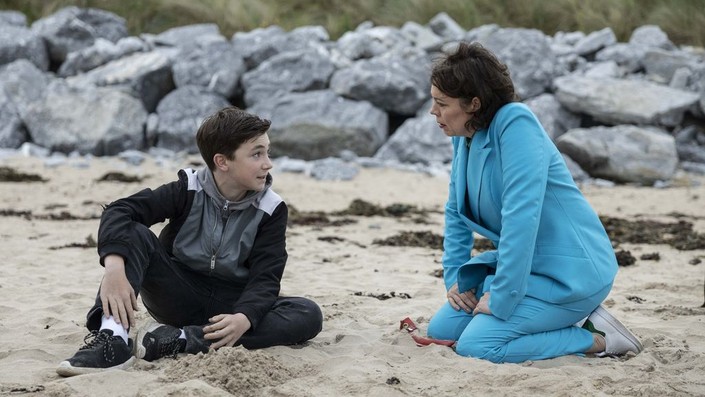
The story centers on two troubled souls thrown together by circumstance. Olivia Colman plays Joy, a successful but emotionally guarded solicitor in her forties. Recently, and somewhat reluctantly, she has given birth to a daughter. Overwhelmed by postpartum struggles, haunted by her own difficult childhood—including a neglectful mother and absent father—and convinced she’s ill-equipped for motherhood, Joy has arranged an informal adoption. She plans to hand the newborn over to her close friend (and sister-like figure) Mags before escaping to a solo holiday in the Canary Islands to reclaim her independence. Joy is pragmatic, sarcastic, and deeply guarded; Colman portrays her with raw honesty, capturing the exhaustion, fear, and quiet desperation of a woman confronting a life she never envisioned.
Enter 12-year-old Mully (played with remarkable sensitivity by newcomer Charlie Reid), a bright but troubled boy reeling from his mother’s recent death from cancer. At a memorial fundraiser in her honor, Mully discovers his debt-ridden father James (Lochlann Ó Mearáin) stealing the donated money meant to commemorate her. Disgusted and desperate to protect the cash—and perhaps to protect his mother’s memory—Mully grabs the funds and flees. In a panic, he hijacks what he thinks is an empty taxi, only to find Joy asleep in the back seat with her baby. What starts as a theft becomes an accidental kidnapping, and the pair’s mutual need for escape sets them on an unplanned journey across Ireland.

The road trip becomes the film’s beating heart. At first, the mismatched duo clashes constantly: Joy, furious at the disruption to her carefully laid plans, demands Mully drive her to the airport; Mully, stubborn and resourceful, insists on heading in his own direction to get away from his father. Their bickering is laced with humor—Joy’s dry British sarcasm meeting Mully’s precocious defiance—but beneath the surface lies shared pain. Both are running from family wounds: Joy from the fear of repeating her parents’ mistakes, Mully from betrayal and grief. As the miles accumulate, arguments give way to reluctant vulnerability. They share stories, confront hard truths, and discover unexpected common ground. The baby, unnamed and mostly silent, serves as a quiet catalyst, forcing both to grapple with themes of parenthood, responsibility, and what it means to care for someone else.
Colman’s performance is the film’s radiant core. Fresh off her Oscar win for The Favourite and acclaimed roles in The Crown and The Father, she delivers one of her most understated yet powerful turns. Joy is prickly and flawed—sometimes cold, often self-sabotaging—but Colman infuses her with warmth and humanity. Her Irish accent drew some criticism for inconsistency, yet it doesn’t detract from the emotional authenticity she brings. Viewers praise how she balances comedy and heartbreak, making Joy’s gradual softening feel earned rather than contrived. Reid, in his breakout role, matches her beat for beat. His Mully is wise beyond his years yet achingly childlike—empathetic, funny, and heartbreaking in his quiet determination to protect what little he has left. The chemistry between them feels natural and affecting, turning what could have been a formulaic odd-couple story into something tender and real.
Supporting performances add texture: Ó Mearáin as the flawed but desperate father brings nuance to a potentially villainous role, while Aisling O’Sullivan as Mags offers a grounded counterpoint to Joy’s chaos. The film’s visual style, courtesy of cinematographer Reg Wylie, captures Ireland’s natural beauty with sweeping shots that contrast the characters’ inner turmoil. The soundtrack, subtle and evocative, enhances the emotional beats without overpowering them.
Critically, Joyride received mixed but largely positive notices upon release, with praise for its heart, performances, and scenic charm, though some found the plot predictable or overly sentimental. It holds a moderate approval rating, reflecting divided opinions on its pacing and familiarity. Yet audiences have embraced it far more warmly, especially since its Netflix surge. Viewers describe it as a “feel-good” film that sneaks up on you—starting light and funny before delivering gut-punch moments of grief, forgiveness, and growth. Many report sobbing at key scenes, particularly those involving loss and redemption, while others highlight its refreshing avoidance of melodrama. It’s the kind of movie that leaves people feeling hopeful, with messages about second chances, found family, and the unexpected ways life forces us to grow.
In an era of high-concept blockbusters and dark thrillers, Joyride stands out for its simplicity and sincerity. It’s funny without being slapstick, heartbreaking without being manipulative, and profound without being preachy. The film’s resurgence on Netflix proves that quiet stories can still resonate deeply when they hit the right emotional notes. For anyone seeking a heartfelt escape featuring stunning Irish scenery, sharp humor, and standout performances—especially Colman’s radiant portrayal of a woman finding her way—this overlooked gem is finally getting the moment it deserves. Once you start watching, it’s hard to stop; the journey, like the characters’, becomes unexpectedly transformative.