No One Saw Us Leave: This 5-Part Netflix Thriller Has Viewers Shocked by Its Devastating Final Twist
Netflix has unleashed a gripping limited series that blends heart-wrenching drama with thriller intensity, leaving audiences emotionally raw and unable to look away. No One Saw Us Leave (original title: Nadie nos vio partir), a five-episode Mexican production released on October 15, 2025, has surged in popularity for its unflinching portrayal of maternal desperation, family betrayal, and the devastating consequences of hidden truths. Viewers expecting a straightforward custody battle thriller found themselves pulled into a globe-spanning emotional vortex, where every clue carries weight and silence conceals layers of pain. The series builds tension methodically across its episodes, stacking revelations until its powerful finale delivers a gut-punch that has many finishing the show in tears.
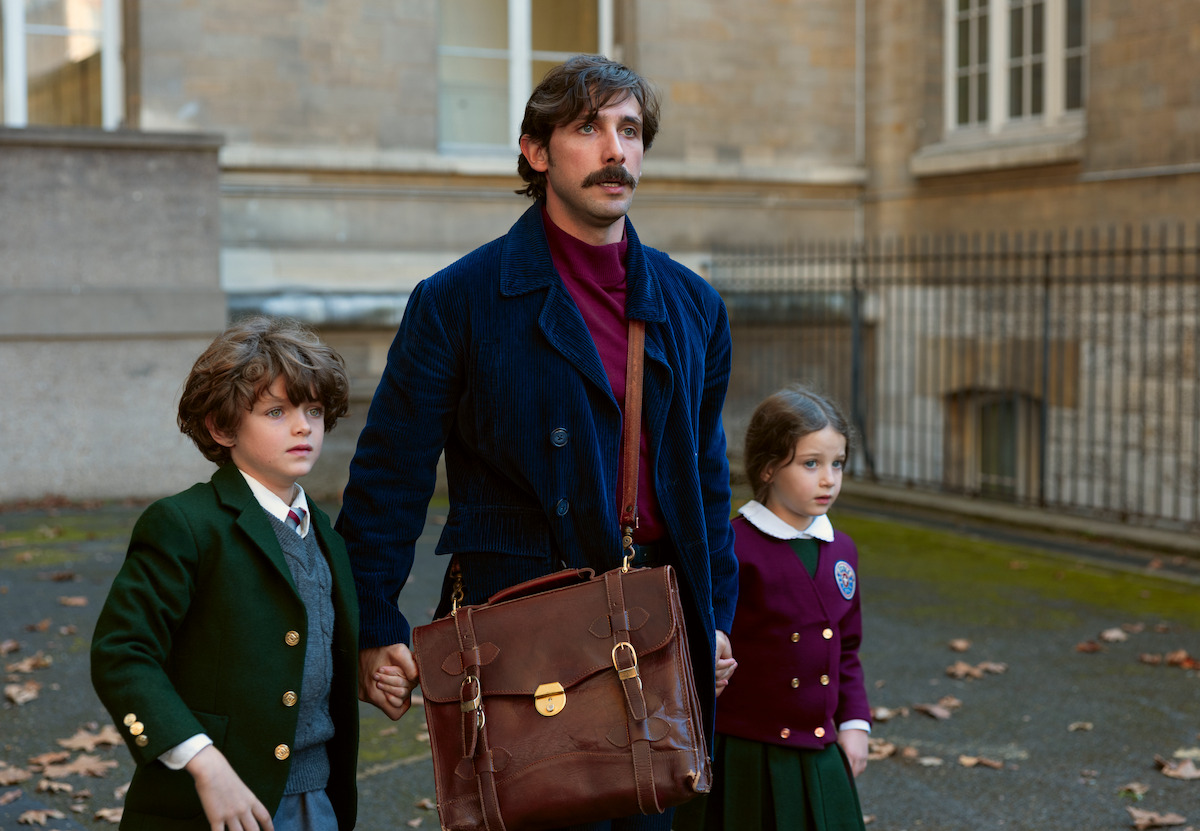
Set against the backdrop of 1960s Mexico within a close-knit, affluent Jewish community, the story centers on Valeria Goldberg, portrayed with raw vulnerability and fierce determination by Tessa Ia. Valeria appears to live a privileged life in a “golden cage”—an arranged marriage to Leo Saltzman (Emiliano Zurita), with two young children, Isaac and Tamara. Beneath the surface, however, her world is fracturing. The discovery of her affair with her brother-in-law Carlos ignites a chain of events that shatters the family forever. In a calculated act of revenge and control, Leo abducts the children and flees abroad, leaving Valeria devastated and stigmatized by her community.
What begins as a personal betrayal escalates into an international manhunt. Valeria, refusing to accept defeat, teams up with Elías (Ari Brickman), a resourceful ex-Mossad agent turned private investigator. Together, they chase leads across continents—from Europe to South America and eventually Israel—always seeming one step behind Leo and the children. The limited series format proves ideal for this story: each roughly 50-minute episode tightens the noose of suspense while deepening the emotional stakes. The pacing refuses to let viewers breathe, alternating between Valeria’s frantic pursuit and the disorienting experiences of the children, who are fed lies about their mother abandoning them.
Director and writers craft a narrative that feels both intimate and epic. The 1960s period details immerse audiences in a world of elegant homes in Mexico City, bustling international airports, and remote safe havens. Cinematography captures the contrast between the warmth of family life and the cold isolation of displacement. Sound design amplifies the psychological toll—distant echoes of children’s voices, the sterile quiet of hotel rooms, and the tense hush before confrontations. As a dramatic thriller inspired by real events, it excels at making personal trauma feel universally resonant.
At its heart, No One Saw Us Leave is Valeria’s story of resilience against overwhelming odds. Tessa Ia delivers a career-defining performance, conveying a mother’s anguish through subtle expressions and explosive outbursts. Her Valeria is neither perfect saint nor victim; she is a complex woman grappling with guilt, rage, and unyielding love. Emiliano Zurita’s Leo is equally compelling—a man torn between his father’s domineering influence (Juan Manuel Bernal as Samuel Saltzman) and his own conflicted sense of right and wrong. The power struggle between the two influential families adds layers of cultural and communal pressure, highlighting themes of shame, honor, and control within tight-knit societies.
The series masterfully builds its twists. Early episodes focus on the immediate aftermath of the abduction, showing Valeria’s isolation as rumors spread through the community, painting her as the unfit mother. Alliances shift, secrets surface, and the global chase introduces new obstacles: bureaucratic hurdles, false leads, and the children’s growing distrust. Viewers find themselves constantly questioning motives—who is truly protecting the children, and at what cost? The stacking revelations transform the story from a pursuit thriller into pure emotional chaos, exploring how trauma ripples through generations.
Supporting characters enrich the narrative. Carlos (Gustavo Bassani) represents the forbidden passion that set events in motion, while Elías brings procedural expertise and quiet humanity to the investigation. The children’s perspectives, though limited, humanize the tragedy, showing their confusion and adaptation to life on the run. The script avoids simplistic heroes and villains, instead presenting flawed individuals trapped by circumstance, family loyalty, and societal expectations. This nuance elevates the series beyond typical genre fare, making every decision feel painfully real.
As the episodes progress, the globe-trotting element heightens urgency. Leo moves the children through Italy and other locations, relying on family networks and his father’s resources. Valeria and Elías follow passport trails, witness testimonies, and sheer intuition. Tension peaks with near-misses and moral dilemmas—should Valeria expose family secrets that could destroy more lives? The limited five-episode structure keeps the momentum relentless; there is no filler, only escalating pressure that mirrors Valeria’s psychological strain.
The devastating final twist and resolution have sparked the strongest reactions. After years of searching, Valeria confronts the full weight of deception and loss in a reunion that is as bittersweet as it is cathartic. The children, shaped by their father’s narrative, initially recoil. Leo faces his own breaking point, exhausted by endless flight and the realization of what his actions have wrought. The finale delivers emotional closure while acknowledging lasting scars—reunions do not erase trauma. Many viewers report being left staring at the screen, processing the profound human cost and the quiet power of persistence. The ending’s authenticity, rooted in the real-life memoir by Tamara Trottner, amplifies its impact.
Based on Trottner’s autobiographical account Nadie nos vio partir, the series grounds its drama in lived experience. The real events unfolded within Mexico’s Jewish community in the late 1960s, involving similar themes of abduction, international pursuit, and eventual reunion. This foundation lends the story gravity and avoids sensationalism. The adaptation sensitively handles cultural specifics while universalizing the pain of parental separation and the fight for justice.
Visually and technically, No One Saw Us Leave impresses. Costumes and production design authentically evoke the era’s fashion and social hierarchies. The score blends subtle tension with moments of haunting beauty, underscoring emotional beats without overpowering them. Direction maintains a steady hand, allowing performances to shine while delivering thriller set pieces—tense stakeouts, airport chases, and raw confrontations—that keep pulses racing.
Since its release, the series has captivated global audiences, trending on Netflix for its addictive quality and emotional depth. Fans praise its ability to balance suspense with character-driven storytelling, calling it brutal yet impossible to stop watching. Some compare it to other maternal thrillers but note its unique cultural and historical texture. At a compact five episodes, it delivers a complete, satisfying arc without overstaying its welcome, making it perfect for binge-watching while leaving a lasting impression.
Thematically, the series probes deep questions: What constitutes family? How far will love drive us to extremes? And can justice ever fully heal profound betrayal? It critiques patriarchal control, communal judgment, and the long shadow of parental alienation. Valeria’s journey embodies empowerment through adversity, showing a woman reclaiming agency against systemic and personal barriers.
No One Saw Us Leave stands as a powerful addition to Netflix’s international catalog. It reminds viewers that the most shocking twists often stem from human emotion rather than contrived plots. In an era of flashy action thrillers, this grounded, character-focused drama proves that quiet devastation can be the most unforgettable. For anyone drawn to stories of resilience, family secrets, and the unbreakable bond between parent and child, this limited series delivers an experience that lingers. Once you enter Valeria’s world, escaping its emotional pull feels as impossible as the title suggests—no one saw them leave, but everyone will remember the journey back.