Netflix has struck gold again with its latest limited series release, No One Saw Us Leave (original title: Nadie nos vio partir), a gripping five-episode Mexican thriller that premiered quietly but quickly became a global sensation. What begins as a tense domestic mystery—centered on a sudden family disappearance—evolves episode by episode into a profound psychological nightmare, exploring themes of betrayal, stigma, motherhood, and the lingering scars of trauma. Viewers who dove in expecting a standard chase thriller found themselves utterly unprepared for the brutal twists and an ending that has left countless audiences “emotionally destroyed,” breathless, and reeling long after the credits roll.
At first glance, the series feels familiar: sharp pacing, shadowy cinematography, and building suspense in a compact format perfect for a one-sitting binge. But as the layers peel back, No One Saw Us Leave tightens its hold, pulling the rug out repeatedly until the finale delivers what many are calling one of Netflix’s most gut-wrenching conclusions ever. Social media has been flooded with raw reactions—fans confessing to tears, sleepless nights, and the need to immediately rewatch for missed clues. This isn’t disposable background viewing; it’s a story that crawls under your skin, refusing to let go.
The narrative centers on Valeria, a young mother in 1960s Mexico City, whose life shatters when her husband, Leo, abruptly takes their two small children—Tamara and Isaac—and flees the country. What starts as a desperate search for answers spirals into an international cat-and-mouse game, with Valeria enlisting unlikely allies to track them across Europe and beyond. Flashbacks reveal the cracks in her marriage: an arranged union between powerful families in a tight-knit community, marked by control, infidelity, and simmering resentment. Leo’s act isn’t just abduction; it’s revenge, punishing Valeria for a transgression that exposes the hypocrisies of their world.
Tessa Ia delivers a powerhouse performance as Valeria, capturing a woman’s transformation from sheltered wife to fierce, unrelenting pursuer. Her portrayal of quiet devastation turning into defiant resolve is mesmerizing, making every setback feel visceral. Emiliano Zurita embodies Leo with chilling complexity—not a cartoon villain, but a man warped by entitlement and pain, whose actions blur the line between protector and destroyer. The young actors playing Tamara and Isaac add heartbreaking innocence, their confusion and fear amplifying the stakes.
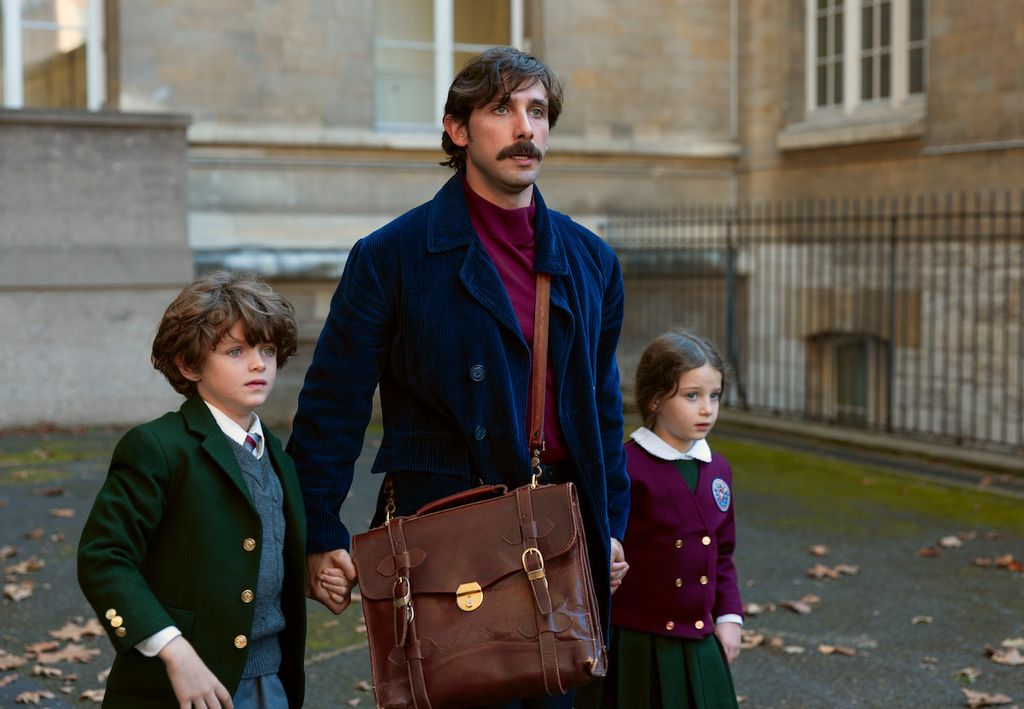
Supporting roles deepen the emotional web. An ex-Mossad agent becomes Valeria’s key partner in the hunt, bringing gritty expertise and moral ambiguity to the pursuit. Family members on both sides—powerful patriarchs and conflicted siblings—highlight intergenerational conflicts, where loyalty clashes with justice. The series doesn’t shy from portraying the community’s stigma: Valeria faces isolation and judgment, her personal failings weaponized against her in a era when women had little recourse.
What elevates No One Saw Us Leave beyond a mere thriller is its psychological depth. The story probes how grief and rage distort reality, how secrets fester across years, and how love can coexist with profound harm. Trust erodes not just between characters, but with the audience—every revelation reframes what came before, forcing constant reassessment. The timeline jumps fluidly between the frantic present chase and pivotal past moments, building a mosaic of a fractured family.
Visually, the series is stunning, contrasting the vibrant, affluent Mexico City settings with colder, isolating European locales. Period details immerse viewers in the 1960s: fashion, music, and social norms that underscore the era’s rigid expectations, especially for women and within cultural enclaves. The score pulses with tension, swelling during chases and fading to haunting silence in intimate confrontations.
As episodes progress, the mystery intensifies. Clues about the children’s whereabouts emerge alongside deeper betrayals—alliances shift, motives darken, and moral lines blur. Valeria’s journey forces her to confront uncomfortable truths about her choices and the world that enabled Leo’s actions. The pursuit becomes as much internal as external, a nightmare of doubt and determination.
By the finale, the convergence is devastating. Without spoiling, the resolution ties threads in ways both cathartic and crushing, delivering twists that hit like emotional punches. Viewers report feeling shaken, with the ending lingering as a meditation on forgiveness, loss, and resilience. Many describe it as “brutal yet beautiful,” a rare series that earns its heartbreak through authentic character growth.
The impact stems from its foundation in reality. Inspired by harrowing true events—a parental abduction that scarred a family and community—the story resonates with raw authenticity. It explores universal pains: the terror of separation, the weight of societal judgment, and the enduring bond of parenthood. In a streaming landscape full of sensationalized thrillers, this one grounds its drama in human frailty, making the psychological toll feel profoundly real.
Fan reactions underscore its power. Online discussions buzz with theories dissected post-binge, confessions of ugly-crying through the last episode, and pleas for more stories like this. It’s climbed charts worldwide, topping views in dozens of countries and sparking conversations about family dynamics, gender roles, and justice.
No One Saw Us Leave proves Netflix’s knack for unearthing international gems that transcend borders. Compact yet expansive, thrilling yet deeply moving, it’s the kind of series that starts as entertainment and ends as an experience. If you’re seeking a binge that will grip, twist, and ultimately wreck you—in the best way—this is it. Just clear your schedule, stock tissues, and brace for a finale that redefines “emotionally destroyed.”