Netflix has quietly pushed a chilling neo-Western crime drama back into the spotlight, and viewers are completely hooked. Starring Kevin Costner and Diane Lane, this haunting 2020 film is climbing the platform’s Top 10 and pulling in fans who crave tension, grit, and emotional depth. What begins as a story about family quickly turns into something far darker — filled with revenge, buried pain, and secrets that refuse to stay hidden. For many Yellowstone fans, this is the kind of raw, unsettling drama they’ve been waiting for. It’s intense, beautifully acted, and packed with the kind of atmosphere that leaves you uneasy long after the credits roll. One quiet release is suddenly becoming a MUST-WATCH obsession.
Let Him Go opens in the early 1960s on a sun-drenched Montana ranch, where life moves at the steady rhythm of horses and hard work. George Blackledge (Costner), a retired sheriff, and his wife Margaret (Lane), a skilled horsewoman, share their home with their son James, his wife Lorna, and their infant grandson Jimmy. It’s a picture of quiet domestic contentment — until tragedy strikes. James dies in a freak horseback accident, leaving the family fractured and adrift. Grief settles over the Blackledges like a heavy fog. Margaret, in particular, clings tightly to what remains of their world. When Lorna remarries a volatile man named Donnie Weboy and suddenly vanishes with little Jimmy into the remote badlands of North Dakota, Margaret’s instincts scream that something is terribly wrong. George, ever the stoic lawman, is reluctant at first. But love — and a gnawing sense of duty — pulls him along on a road trip that starts as a rescue mission and spirals into something far more dangerous.
What makes Let Him Go so gripping is how masterfully it shifts gears. The first act feels almost meditative, a character study of loss and the quiet desperation of aging parents who refuse to let go. Director Thomas Bezucha, adapting Larry Watson’s 2013 novel, takes his time establishing the Blackledges’ world: the vast open skies of the Great Plains, the creak of saddle leather, the unspoken rituals of a marriage tested by time and sorrow. There are no explosions or car chases here — just two people driving across endless prairies in an old pickup, haunted by memories and the fear that their only grandson is in the hands of people who don’t play by the rules.

But once the couple crosses into Weboy territory, the film transforms into a taut neo-Western thriller. The Weboy clan is a law unto themselves — a sprawling, off-the-grid family ruled by the formidable matriarch Blanche (Lesley Manville in a scene-stealing, venomous performance). Blanche is all saccharine smiles one moment and ice-cold menace the next, a woman who protects her own with the ferocity of a cornered animal. Her sons, including the unpredictable Donnie and the quietly menacing Bill (Jeffrey Donovan), form a wall of intimidation that no outsider can easily breach. The Blackledges’ polite, measured approach to reclaiming Jimmy clashes violently with the Weboys’ brutal pragmatism. What follows is a slow-burn collision of two families, two value systems, and two generations of unresolved pain.
At the heart of it all are Costner and Lane, delivering career-high work that feels lived-in and achingly real. Costner’s George is the strong, silent type we’ve seen him play before — but here the layers run deeper. As a former sheriff, he knows violence intimately; as a grieving father and grandfather, he carries the weight of every mistake he wishes he could undo. His performance is one of restraint: a clenched jaw, a distant stare across the horizon, the subtle tremor in his voice when he finally admits how scared he is. Lane, meanwhile, is a force of nature as Margaret. She’s the engine driving the story forward, fueled by a mother’s fierce protectiveness that borders on obsession. Lane brings warmth, vulnerability, and steel to the role — you feel her heartbreak in every quiet glance at an empty crib, and her determination in the way she squares her shoulders against impossible odds. Their chemistry crackles with decades of shared history; you believe every argument, every tender silence, every moment when one leans on the other because there’s simply no one else left.
Supporting turns elevate the material further. Manville’s Blanche is a masterclass in understated villainy — charming on the surface, monstrous underneath. Her dinner-table confrontation with the Blackledges is one of the film’s most unforgettable sequences: a masterfully staged powder keg of passive-aggressive politeness that erupts into raw terror. Kayli Carter as Lorna captures the heartbreaking trap of a young woman caught between fear and loyalty, while the child actors playing Jimmy convey innocence without sentimentality.
Thematically, Let Him Go digs deep into ideas that linger long after the final frame. At its core, it’s about the corrosive power of grief and the dangerous illusion that we can control what we love. The title itself is a double-edged sword — a plea, a command, a heartbreaking admission that sometimes the only way forward is to release what you hold most dear. Margaret’s refusal to “let him go” drives the plot, but the film quietly questions whether her quest is noble or self-destructive. Revenge, too, is examined without easy answers. George’s lawman background gives him tools for justice, but the Weboys operate in a moral gray zone where rules don’t apply. The story asks: How far would you go to protect family? And once you cross that line, can you ever come back?
Bezucha’s direction leans into neo-Western traditions while making them feel fresh and intimate. The cinematography captures the epic scale of the American heartland — golden fields stretching to infinity, storm clouds gathering like threats on the horizon — yet it never loses focus on the human faces within those landscapes. Tension builds through silence and suggestion rather than constant action: a creaking floorboard, a shadow in a window, the distant sound of a car engine at night. When violence does arrive, it’s sudden, brutal, and shocking — a stark reminder that the Old West’s code of honor still lingers in forgotten corners of the country. Composer Michael Giacchino’s score underscores the unease with sparse, haunting strings that mirror the characters’ inner turmoil.
For fans of Yellowstone — the hit series where Costner plays the larger-than-life patriarch John Dutton — Let Him Go feels like spiritual kin. Both stories root themselves in rugged Western landscapes and explore family loyalty tested by outside threats. The slow-burn pacing, moral complexity, and unflinching look at generational trauma echo the work of Taylor Sheridan, whose films like Hell or High Water and Wind River share this film’s gritty DNA. Yellowstone viewers will recognize the same blend of quiet introspection and explosive confrontation, the same reverence for land and legacy, and the same portrayal of men and women who carry their scars like badges. Costner slips effortlessly between the two worlds, his presence bridging the television saga and this standalone cinematic gem.
Critics and audiences embraced Let Him Go upon its modest theatrical release in late 2020 — a time when theaters were struggling amid the pandemic — but it never quite found the wide audience it deserved. Now, years later, Netflix’s algorithm has done what word-of-mouth and limited screenings could not. The film’s resurgence speaks to a hunger for stories that respect viewers’ intelligence: no cheap jump scares, no franchise tie-ins, just powerful performances and a narrative that trusts its audience to sit with discomfort. It rewards patience. Those first 45 minutes of measured setup pay off in spades once the stakes skyrocket and the emotional undercurrents surface.
What ultimately makes Let Him Go a must-watch obsession is its lingering impact. It’s the kind of movie that burrows under your skin — not because it’s loud or flashy, but because it feels authentic. You walk away thinking about the Blackledges’ choices, about the thin line between protection and destruction, about how the past refuses to stay buried. In an era of instant gratification and endless streaming options, this is a film that demands — and earns — your full attention. It reminds us why we fell in love with cinema in the first place: for stories that mirror our deepest fears and fiercest loves, delivered by actors at the peak of their craft against backdrops that dwarf us all.
If you’ve scrolled past it on Netflix, stop. Give it the time it asks for. Let the slow burn take hold. Because once Let Him Go grabs you, it doesn’t let go — and you won’t want it to. In a sea of forgettable content, this haunting neo-Western stands tall as a reminder that some quiet releases are destined to echo loudly long after the screen fades to black.
News
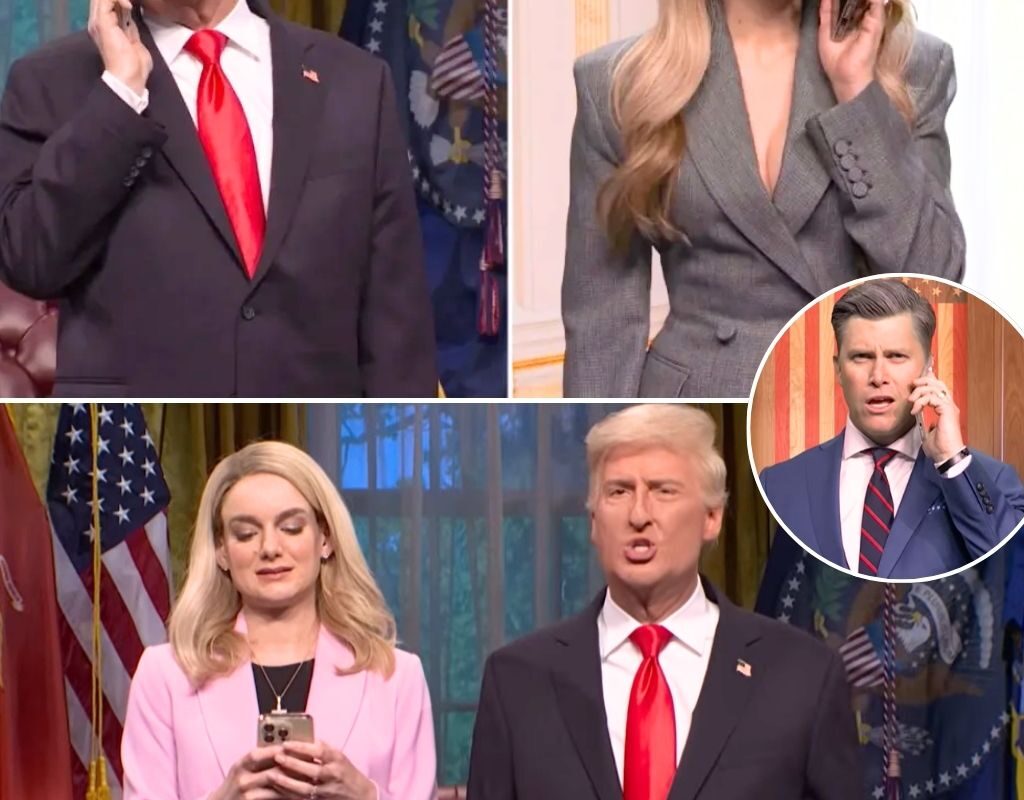
‘DARLING… PLEASE TELL ME THIS IS A JOKE’ — Saturday Night Live COLD OPEN GOES FULL CHAOS AS Melania Trump’S ‘EPSTEIN PRESS CONFERENCE’ IDEA SENDS US President INTO PANIC: ‘YOU’RE MAKING IT WORSE… STOP TALKING!’!
“Darling… I gotta be honest, this sounds a little insane.” That’s how James Austin Johnson’s version of the US President kicked off the chaos during the latest cold open on…
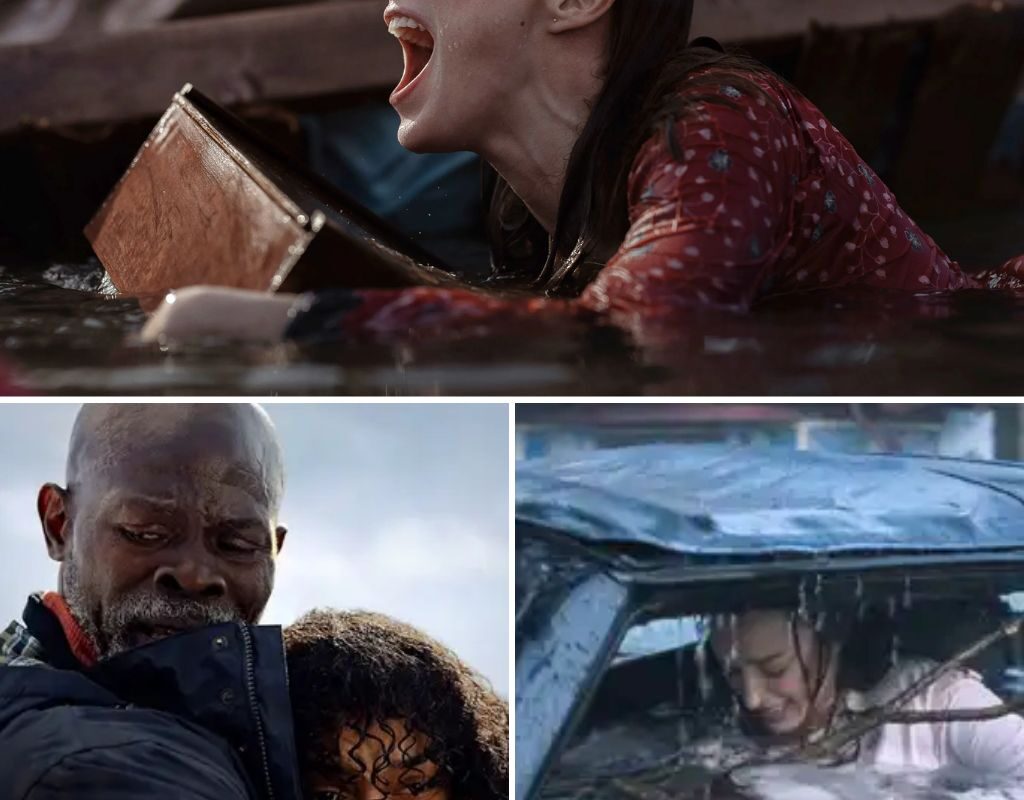
NETFLIX VIEWERS CAN’T BREATHE DURING ‘PHENOMENAL’ SURVIVAL THRILLER — ‘I WAS TENSE ALL THE WAY THROUGH’ AS SHOCKING NEW SHARK HORROR STORMS TO #1 WORLDWIDE!
Netflix viewers are completely hooked on a “phenomenal” new survival thriller that’s leaving audiences watching from behind their hands. Starring Bridgerton actress Phoebe Dynevor, the film has quickly surged to…

“I Pressed Play Once… and Didn’t Sleep” — Netflix Viewers Are Calling This New Family Crime Saga a Total Trap
It starts quietly, almost harmless — a family, a home, a sense of normalcy that feels carefully rehearsed. Then the first secret slips out, and everything fractures. With each episode,…

Cardi B Reaches Out to Estranged Husband Offset After Casino Shooting as Gambling Debts Pile Up
Offset’s latest brush with violence has once again thrust the Atlanta rapper into the spotlight, this time with layers of personal, financial, and relational drama unfolding in rapid succession. On…
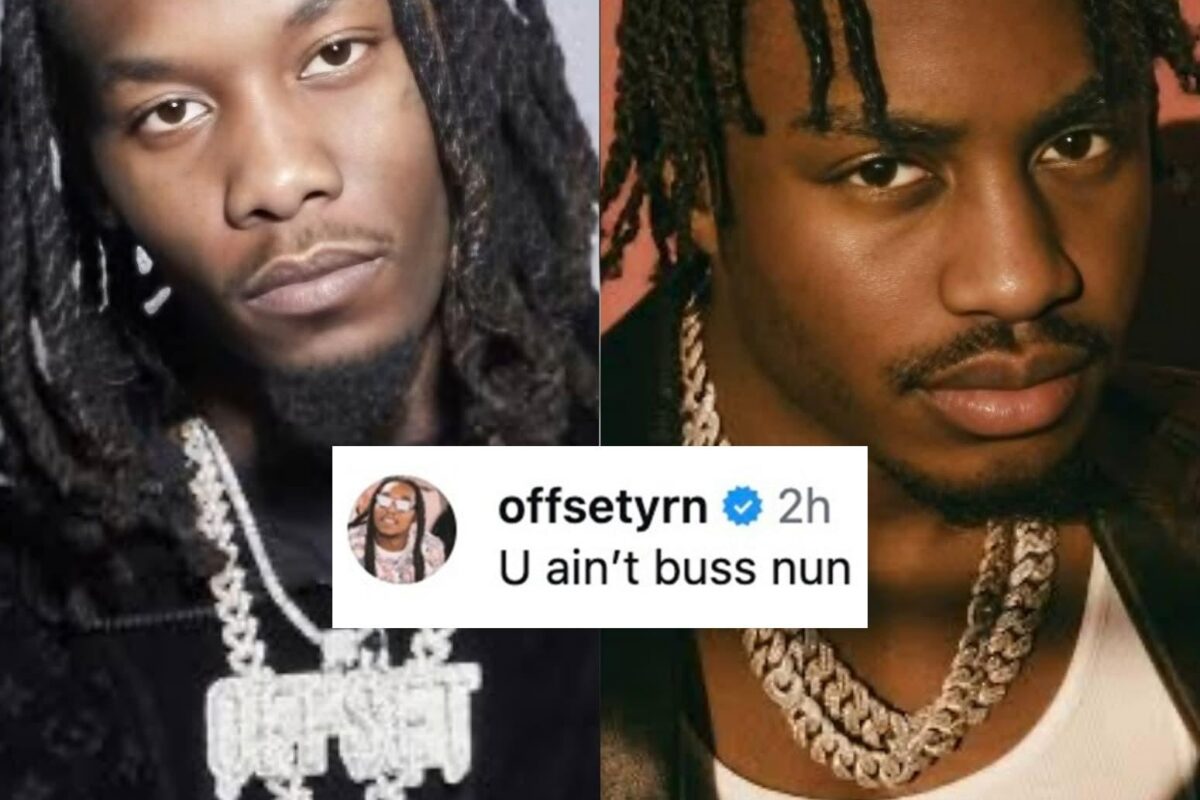
Offset Claps Back from Hospital Bed: “U Ain’t Buss Nun” After Lil Tjay Calls Him a “Rat” in Casino Shooting Drama
Offset has broken his silence just days after being shot in the leg outside the Seminole Hard Rock Hotel & Casino in Hollywood, Florida. The former Migos rapper, recovering in…

Lil Wayne and Taylen Biggs: How a Child’s Artwork Sparked a Lifelong Father-Daughter Bond Built on Love
In the world of hip-hop, where larger-than-life personas and street credibility often dominate headlines, few stories capture the heart quite like the relationship between Lil Wayne and Taylen Biggs. What…
End of content
No more pages to load