In the endless scroll of Netflix offerings, some shows quietly build cults of fans through sheer word-of-mouth power, refusing to fade despite years on the platform. Enter Unorthodox, the 2020 four-part German miniseries that originally dropped to critical acclaim but has now exploded anew in 2026 as viewers rediscover its raw, unnerving intensity. Fans are dubbing it Netflix’s most criminally overlooked drama, a hidden masterpiece that sneaks up on you—one accidental click leads to a sunrise binge, leaving audiences stunned, emotional, and debating its themes for days.
The series follows Esther “Esty” Shapiro, a 19-year-old woman trapped in the ultra-Orthodox Satmar Hasidic community in Brooklyn’s Williamsburg. Raised in a world of rigid rules, arranged marriages, and expectations of rapid childbearing, Esty feels suffocated from the start. Her marriage to the shy, well-meaning but mismatched Yanky is crumbling under pressure—intimacy issues, family interference, and the crushing weight of producing heirs for the community. When she learns she’s pregnant on the day her husband suggests divorce, Esty makes a daring escape to Berlin, the city where her estranged mother once fled.
What begins as a personal rebellion becomes a high-stakes thriller. Yanky, pushed by his aggressive cousin Moishe, embarks on a frantic pursuit across continents to drag Esty back. In Berlin, Esty stumbles into a vibrant circle of young musicians—free-spirited, secular, and full of the possibilities she’s never known. She cuts her hair, sheds her modest clothing, and tentatively embraces music, friendship, and independence. Yet the past refuses to stay buried; her husband and in-laws close in, forcing Esty to confront whether freedom is worth the cost.
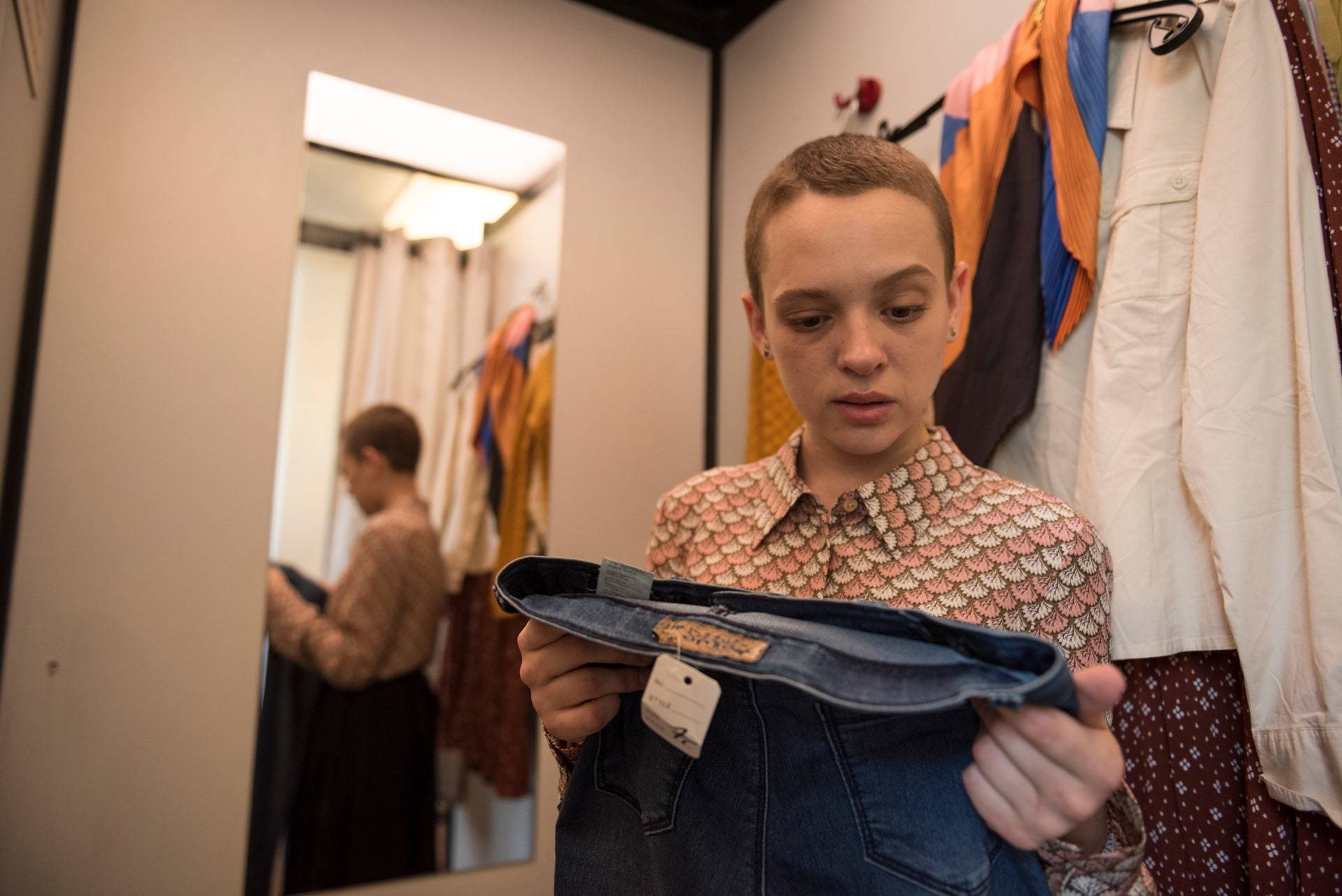
At the heart of the show’s addictive pull is Shira Haas’s mesmerizing performance as Esty. The Israeli actress delivers a tour-de-force portrayal—vulnerable, defiant, and heartbreakingly real. Haas captures every nuance: the quiet terror of her wedding night, the tentative wonder of hearing secular music for the first time, the raw fear of being hunted. Her Emmy-nominated work anchors the series, making Esty’s journey feel profoundly personal even as it exposes broader tensions around faith, gender, and autonomy.
The supporting cast shines equally. Amit Rahav brings quiet complexity to Yanky, a man torn between duty and genuine affection. Jeff Wilbusch is chilling as Moishe, the relentless enforcer who embodies the community’s unyielding grip. The Berlin ensemble adds warmth and contrast, with Aaron Altaras as the kind musician Robert offering Esty a glimpse of acceptance and possibility.
What sets Unorthodox apart—and why comparisons to The Handmaid’s Tale keep surfacing—is its unflinching yet nuanced look at an underrepresented world. The show dives deep into Hasidic customs, Yiddish dialogue (the first Netflix series primarily in Yiddish), and the contradictions of a community shaped by historical trauma yet rigid in its control over women. It’s not a blanket condemnation; moments of beauty and familial love shine through, making the constraints feel all the more tragic. Viewers are gripped by the intimate scale—Esty’s story feels small and massive at once, a personal defection that mirrors larger struggles against oppression.
The pacing is masterful. Flashbacks weave seamlessly with the present, building suspense like a thriller. Esty’s escape unfolds with edge-of-your-seat tension: shaving her head in secret, navigating airports with forged documents, evading pursuers in Berlin’s streets. Yet the emotional core never wavers—every step forward is laced with grief for the family left behind and fear of the unknown.
Critics originally praised its authenticity (thanks to meticulous research and cultural consultants) and visual style: the claustrophobic Brooklyn shots contrast sharply with Berlin’s open, colorful freedom. The series earned eight Emmy nominations, including Outstanding Limited Series, and won for directing—the first German production to do so. But in 2026, it’s the word-of-mouth resurgence that’s turning heads. Social media is flooded with confessions: “I clicked thinking it was something else—next thing I know, it’s 4 a.m. and I’m sobbing.” Others call it “addictively unsettling,” a slow-burn that hooks you emotionally and doesn’t let go.
Much like The Handmaid’s Tale, Unorthodox explores a woman’s fight against a system that defines her worth by reproduction and obedience. Yet it grounds the drama in real cultural specificity rather than dystopian exaggeration, making the stakes feel immediate and human. It’s not preachy; it’s immersive, letting viewers feel Esty’s isolation, curiosity, and eventual empowerment.
The show’s timeliness endures: questions of religious freedom, women’s autonomy, and the courage to leave toxic environments resonate more than ever. For many, it’s an eye-opening window into a closed world; for others, a mirror to personal struggles with identity and belonging.
If you’ve somehow missed Unorthodox, consider this your sign. It’s the rare series that rewards curiosity with something profound—intimate, unsettling, and utterly bingeable. Click play, and don’t plan on sleeping. You’ve been warned: this hidden gem will keep you up until sunrise, heart racing and mind reeling.