Netflix has struck gold once again with a gripping thriller that’s surging up the charts and captivating audiences worldwide. “To Catch a Killer,” a dark and atmospheric crime drama from 2023, is earning rave reviews from viewers who are calling it one of the most compelling entries in the genre in years. With its slow-burning tension, razor-sharp psychological depth, and shocking moments of violence, the film is drawing inevitable comparisons to classics like The Silence of the Lambs and The Bone Collector. Fans are flooding social media and review sections with five-star praise, describing it as a descent into darkness that leaves you shaken, breathless, and utterly hooked. This isn’t light viewing—it’s a suffocating, relentless ride that tightens its grip with every scene.
Directed by Damián Szifron in his English-language debut, “To Catch a Killer” plunges viewers into a chilling manhunt set against the snowy, unforgiving backdrop of Baltimore. The story opens on New Year’s Eve with a horrifying mass shooting: a precision sniper unleashes chaos from a high-rise, killing dozens in a crowded celebration below. The attack is calculated, anonymous, and devastating, sending shockwaves through the city. As panic spreads and another brutal assault follows in a shopping mall, the FBI takes over, led by seasoned chief investigator Geoffrey Lammark. Desperate for a breakthrough, Lammark recruits Eleanor Falco, a talented but troubled young beat cop who was among the first responders at the initial scene.
Eleanor, haunted by her own traumatic past and struggling with personal demons, brings a unique perspective to the case. Her intuitive insights into the killer’s mindset—rooted in her own sense of alienation—make her an unlikely but essential ally. What unfolds is a high-stakes cat-and-mouse game, as the investigators race to profile and apprehend a highly intelligent, deeply disturbed individual who seems always one step ahead. The killer isn’t driven by random rage; his actions carry a twisted manifesto, commenting on societal neglect, mental health failures, and the alienation of the modern world. As the body count rises, the pursuit becomes not just a hunt for justice but a profound exploration of the thin line between hunter and hunted.
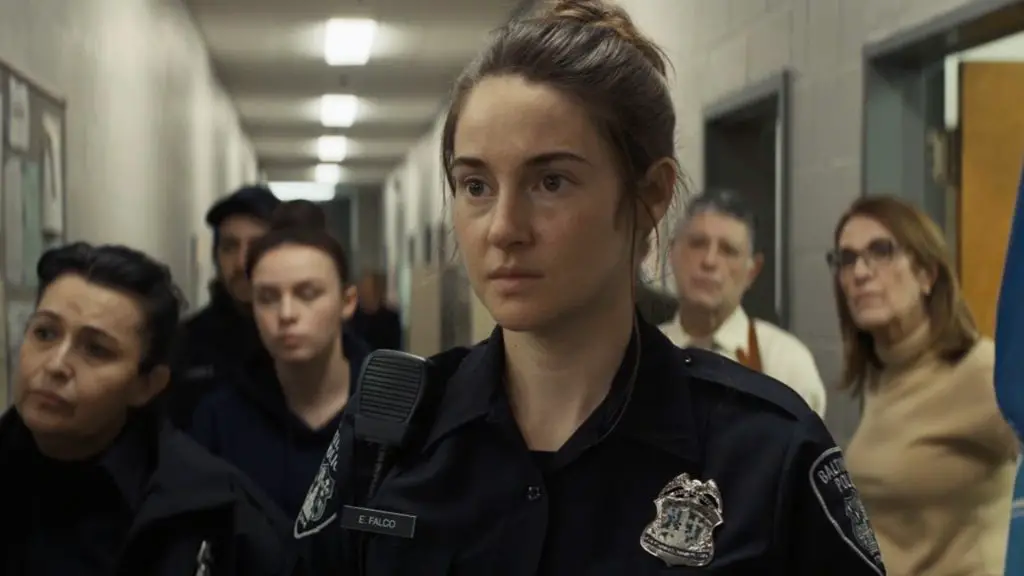
Shailene Woodley delivers a powerhouse performance as Eleanor Falco, embodying a modern-day counterpart to Jodie Foster’s iconic Clarice Starling. Woodley’s portrayal is raw and layered, capturing Eleanor’s vulnerability, sharp intellect, and inner turmoil with haunting authenticity. She’s a woman wrestling with misanthropic tendencies and unresolved pain, yet driven by an unyielding sense of duty. Critics and viewers alike have praised Woodley for elevating the role, making Eleanor a compelling, flawed protagonist whose psychological depth mirrors the killer’s own darkness. It’s a career-defining turn that showcases her range far beyond her earlier roles, drawing you into her fractured world and making her journey profoundly relatable.
Ben Mendelsohn is equally mesmerizing as Geoffrey Lammark, the weary FBI veteran burdened by bureaucratic pressures and the weight of failure. Mendelsohn brings his signature gravitas to the character, infusing Lammark with quiet intensity, moral complexity, and subtle warmth. His dynamic with Woodley forms the emotional core of the film—a mentor-protégé relationship built on mutual respect and shared isolation. The chemistry between them crackles, providing moments of humanity amid the escalating horror. Supporting players like Jovan Adepo as a sharp terrorist task force agent and Ralph Ineson in a chilling role add further tension, rounding out a cast that feels authentically lived-in.
What makes “To Catch a Killer” so gripping is its masterful blend of procedural realism and psychological horror. Szifron, known for his acclaimed anthology Wild Tales, crafts a narrative that feels both timely and timeless. The film doesn’t shy away from the chaos of a high-profile investigation: media frenzy, inter-agency rivalries, political interference, and the desperate search for patterns in seemingly random violence. Yet beneath the surface lies a deeper commentary on America’s fractured systems—gun access, mental health crises, urban isolation—that fuels the killer’s rage. The sniper’s precision and elusiveness evoke real-world terrors, making the stakes feel viscerally immediate.
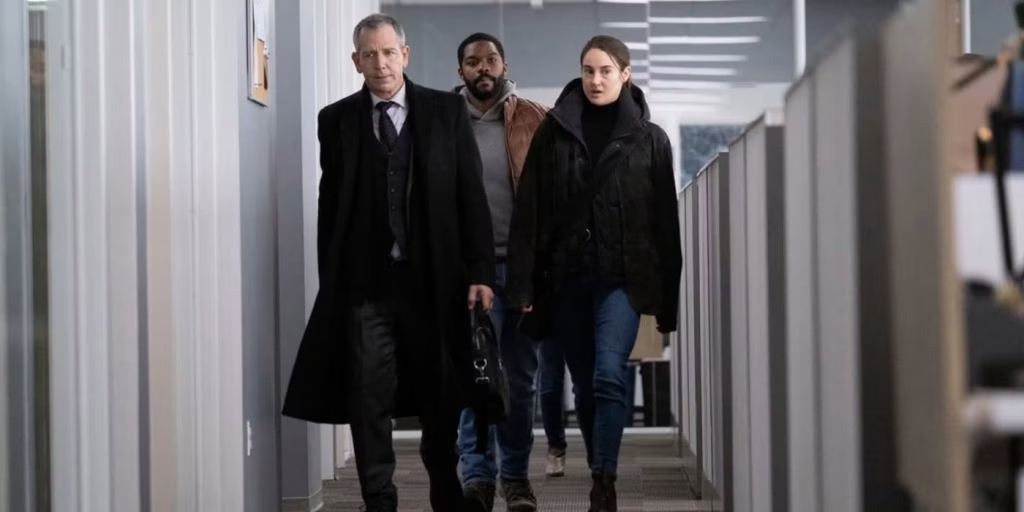
The pacing is deliberate, building dread through atmospheric tension rather than constant action. Szifron employs striking visuals—snow-swept cityscapes, shadowy interiors, and disorienting camera angles—to create a sense of claustrophobia and unease. The opening sequence alone is a masterclass in suspense, with inverted shots and a mounting sense of inevitability leading to the explosive outbreak of violence. As the investigation deepens, unexpected twists emerge, subverting expectations and keeping you guessing. Moments of sudden brutality hit like shocks to the system, balanced by quieter scenes of introspection that delve into the toll on the investigators’ psyches.
Viewers are particularly enthralled by how the film echoes the genre’s greatest hits while carving its own path. The parallels to The Silence of the Lambs are unmistakable: a young, tormented female investigator unlocking a killer’s mind through her own empathy for the marginalized. Like The Bone Collector, it features a partnership between experience and instinct in a race against a cunning predator. Echoes of Se7en and Zodiac appear in the obsessive profiling and societal critique, though this film grounds its horror in contemporary realities rather than stylized extremity. Fans rave about the “slow-burn dread” that erupts into heart-pounding sequences, with many declaring it superior to recent thrillers for its refusal to pull punches.
Since landing on Netflix, “To Catch a Killer” has exploded in popularity, climbing global charts and sparking endless discussions. Audiences describe binge-watching it in one sitting, unable to pause despite the intensity. Comments flood in: “Left me shaken for days,” “The tension is suffocating,” “Best thriller I’ve seen in years—better than most big-budget stuff.” Many highlight its thought-provoking ending, which avoids easy resolutions and lingers with bittersweet ambiguity. It’s the kind of film that sparks debate about morality, justice, and the monsters society creates.
Visually and sonically, the movie is impeccable. Cinematographer Javier Juliá captures Baltimore’s wintry bleakness with moody blues and grays, amplifying the isolation. Carter Burwell’s score underscores the unease with haunting motifs that swell during climactic confrontations. Every element—from sound design that makes gunfire reverberate to editing that mirrors the killer’s calculated precision—works in harmony to immerse you completely.
In an era of formulaic streaming thrillers, “To Catch a Killer” stands out as a bold, intelligent entry that respects its audience. It’s not afraid to be uncomfortable, probing the darkness within us all while delivering edge-of-your-seat suspense. For fans of psychological crime dramas that blend brains with brutality, this is essential viewing. Shailene Woodley and Ben Mendelsohn’s electric performances alone are worth the watch, but the film’s deeper layers—on loneliness, systemic failure, and the cost of empathy—elevate it further.
As it continues to dominate Netflix trends, “To Catch a Killer” is proving that underrated gems can find their audience when given a second chance. If you crave a thriller that crawls under your skin, challenges your assumptions, and refuses to let go long after the screen fades to black, this is the one. Dim the lights, steel yourself, and dive in—you won’t emerge unchanged. This descent into darkness is owning nights for viewers everywhere, and it’s easy to see why they’re completely obsessed.