Netflix’s latest limited series, The Boys from Brazil, has arrived as a gripping five-part historical thriller that plunges viewers into a world of unrelenting pursuit, moral complexity, and chilling conspiracy. Adapted from Ira Levin’s acclaimed 1976 novel by acclaimed creator Peter Morgan—known for his masterful work on The Crown—this production reimagines the classic story for a modern audience, blending historical weight with pulse-pounding suspense. Premiering on Netflix in early 2026, the series has quickly captured attention for its dark intensity, stellar performances, and refusal to shy away from the lingering shadows of World War II.
The narrative unfolds across three turbulent decades, beginning in the chaotic aftermath of 1945 and extending into the politically volatile 1970s. At its heart is Yakov Liebermann, portrayed with raw, obsessive depth by Jeremy Strong. A Holocaust survivor who has dedicated his life to tracking down Nazi war criminals who escaped justice, Liebermann operates as a tireless Nazi hunter, inspired by real-life figures like Simon Wiesenthal. His crusade has exacted a heavy personal toll—lost relationships, constant danger, and an all-consuming drive that borders on self-destruction. Yet, Liebermann refuses to let the past fade, believing that forgetting would be the ultimate victory for those who perpetrated unimaginable horrors.
The story ignites when one of Liebermann’s young protégés, working undercover in Brazil, uncovers evidence of a shocking plot. What begins as another lead on a fugitive spirals into something far more sinister: a revelation that Dr. Johann-Friedrich Meinhardt—a sadistic Nazi scientist long presumed dead—is not only alive but actively orchestrating a scheme to resurrect the ideals of the Third Reich. Meinhardt, played with chilling precision by August Diehl, emerges as a figure of pure malevolence, using advanced genetic manipulation to engineer a new generation capable of carrying forward Nazi ideology. This diabolical plan, involving cloned individuals raised in carefully controlled environments, raises terrifying questions about nature, nurture, and the persistence of evil.
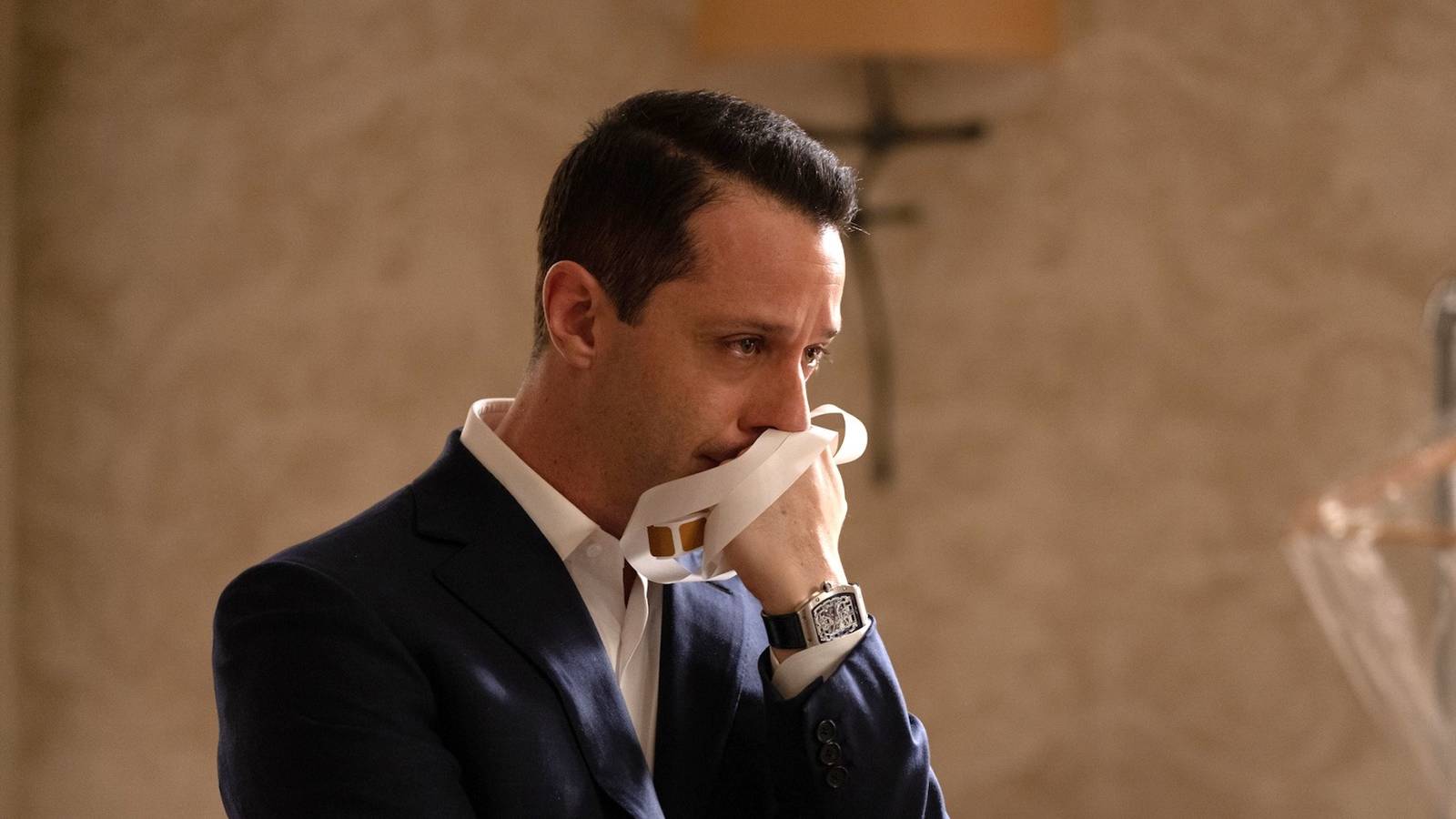
Every episode builds relentlessly on the last, ratcheting up the tension as Liebermann races against time and formidable obstacles. The series masterfully interweaves personal stakes with broader historical context, showing how the hunt for justice intersects with Cold War politics, shifting global alliances, and the quiet harboring of former Nazis in South America. Locations span Europe and South America, with filming taking place in the UK, Germany, Bulgaria, and Spain to authentically capture the era’s atmosphere—from bombed-out postwar streets to the humid, secretive enclaves of Brazil.
Strong’s performance anchors the series with a haunting intensity. Liebermann is no flawless hero; his obsession sometimes blinds him, leading to moral compromises and moments of doubt. Yet, his unyielding commitment to memory and accountability resonates deeply, making his journey both inspiring and heartbreaking. Opposite him, Diehl’s Meinhardt is a study in calculated cruelty, a man whose scientific detachment masks a fanatical belief in racial superiority. The supporting cast elevates the material further: Daniel Brühl brings nuanced menace to a key conspirator, Gillian Anderson delivers steely resolve as Frieda Steiner, a figure tied to the resistance networks, while Shira Haas and Lizzy Caplan add layers of intrigue and emotional depth through their roles as allies and informants.
What sets The Boys from Brazil apart is its refusal to treat history as distant spectacle. The thriller elements—covert operations, narrow escapes, and shocking discoveries—are grounded in the real trauma of the Holocaust and the postwar hunt for justice. Viewers are forced to confront uncomfortable truths: how hatred endures, how ordinary people can enable extraordinary evil, and whether vengeance can ever truly bring closure. The pacing is masterful, with each hour-long episode ending on a hook that propels the story forward, yet the series never sacrifices character development for plot twists.
The production values are impeccable, reflecting the high-caliber team behind it. Peter Morgan’s script balances thriller conventions with thoughtful exploration of themes like obsession, vengeance, and the terrifying persistence of hatred. Direction maintains a taut, atmospheric tone, using shadowy cinematography and a brooding score to heighten the sense of dread. The international filming locations lend authenticity, immersing audiences in the disparate worlds of postwar Europe and 1970s Brazil.
Critics and early viewers have praised the series for its gripping hold. It grabs you from the opening moments and doesn’t release its grip until the final credits. The relentless pressure builds episode by episode, with turns that hit harder each time, leaving audiences holding their breath and glued to the screen. It’s dark, intense, and profoundly personal—a story that lingers long after viewing, prompting reflection on history’s unfinished business.
In an era when streaming platforms often prioritize spectacle over substance, The Boys from Brazil stands out as a bold, uncompromising work. It honors Levin’s original novel while updating it for contemporary resonance, reminding us that the fight against fascism and hatred is never truly over. This isn’t just another thriller; it’s a moral reckoning wrapped in edge-of-your-seat suspense. Missing it would be a mistake—The Boys from Brazil is the kind of series that demands to be seen, discussed, and remembered.