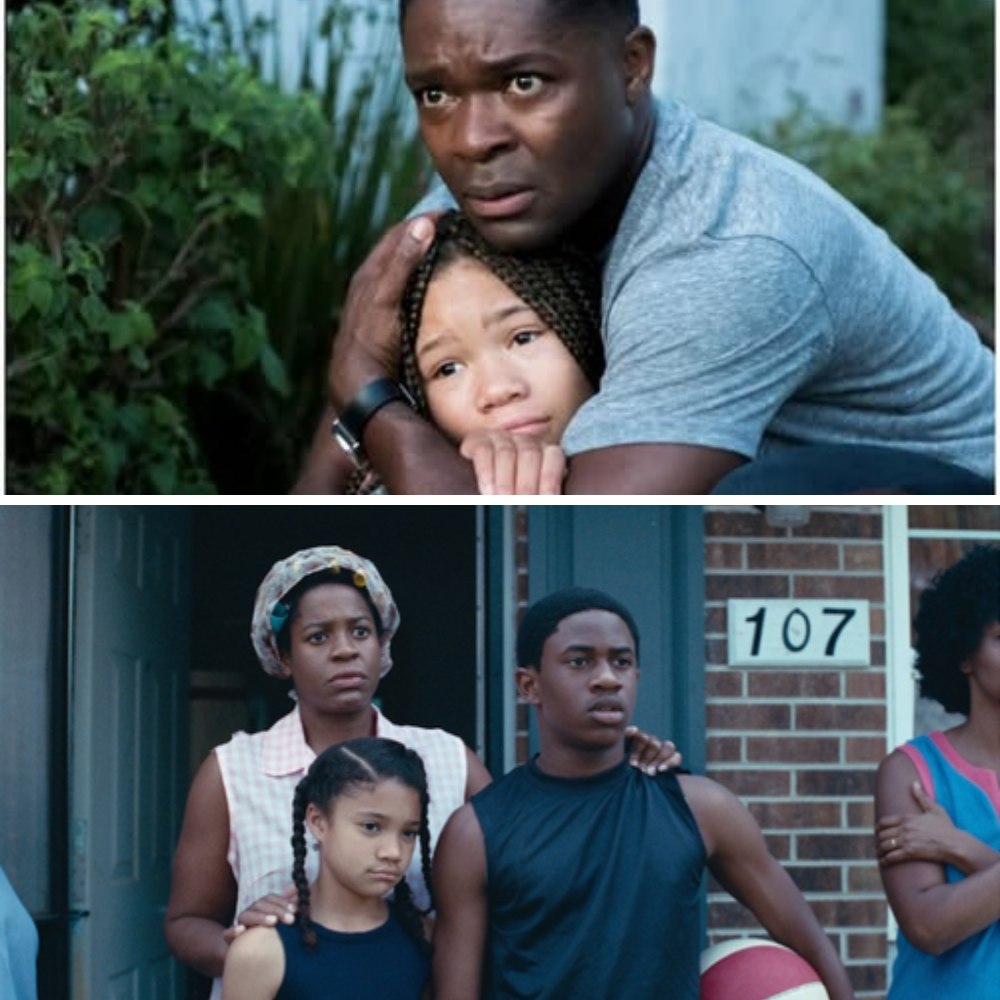
Netflix has stealthily added a psychological horror masterpiece that creeps under your skin and refuses to let go. Castle Rock, the two-season anthology series inspired by Stephen King’s vast multiverse, has quietly landed on the platform, bringing its signature blend of slow-burn dread, interconnected King lore, and small-town terror to a new wave of viewers. Originally a Hulu original that premiered in 2018 and ran through 2019 before being canceled, the show now feels freshly unearthed—like a forgotten artifact from King’s Maine woods that’s been waiting to haunt a wider audience.
Set in the fictional Maine town of Castle Rock—a recurring nightmare hub in King’s bibliography where familiar locales like Shawshank State Penitentiary, Jerusalem’s Lot, and the Overlook Hotel’s echoes collide—the series weaves original stories that brush against iconic tales without direct adaptations. It’s not a straightforward retelling; it’s a dark tapestry that connects the dots across King’s canon, turning the town into a living epicenter of supernatural malice, repressed trauma, and inescapable fate.
Season 1 opens with a chilling discovery: on the final day of his tenure, Shawshank’s warden Dale Lacy commits suicide by hanging himself from a bridge. When authorities investigate, they uncover a hidden, disused cell block containing a mysterious young man who’s been imprisoned in secret for 27 years. Mute and enigmatic, he speaks only one name: Henry Deaver. Enter Henry Matthew Deaver (André Holland), a death-row defense attorney who fled Castle Rock as a child after being blamed for his adoptive father’s mysterious death. He returns reluctantly to represent the prisoner—known only as “The Kid” (Bill Skarsgård)—and care for his ailing mother Ruth (Sissy Spacek), whose dementia blurs past and present.
What begins as a legal mystery spirals into something far more sinister. As Henry digs into The Kid’s origins, the town begins to fracture. Long-buried secrets erupt: childhood traumas resurface, unexplained deaths multiply, and a persistent, high-pitched tone haunts those connected to the events. The Kid, played with chilling restraint by Skarsgård (fresh off his iconic Pennywise in It), exudes an otherworldly menace—ageless, unblinking, and seemingly capable of bending reality around him. Is he a victim, a demon, or something worse—an alternate-timeline version of Henry himself, pulled through some cosmic rift?
The season masterfully layers King’s motifs: Shawshank’s inescapable prison becomes a literal and metaphorical cage for evil; the town’s history of violence feels predestined; supernatural forces masquerade as coincidence. Molly Strand (Melanie Lynskey), Henry’s childhood friend with a psychic “shining”-like ability, numbs her visions with drugs, adding emotional depth to the horror. Sissy Spacek’s Ruth—haunted by guilt and fading memories—delivers a heartbreaking performance as a woman trapped between love, denial, and the supernatural pull of the town.
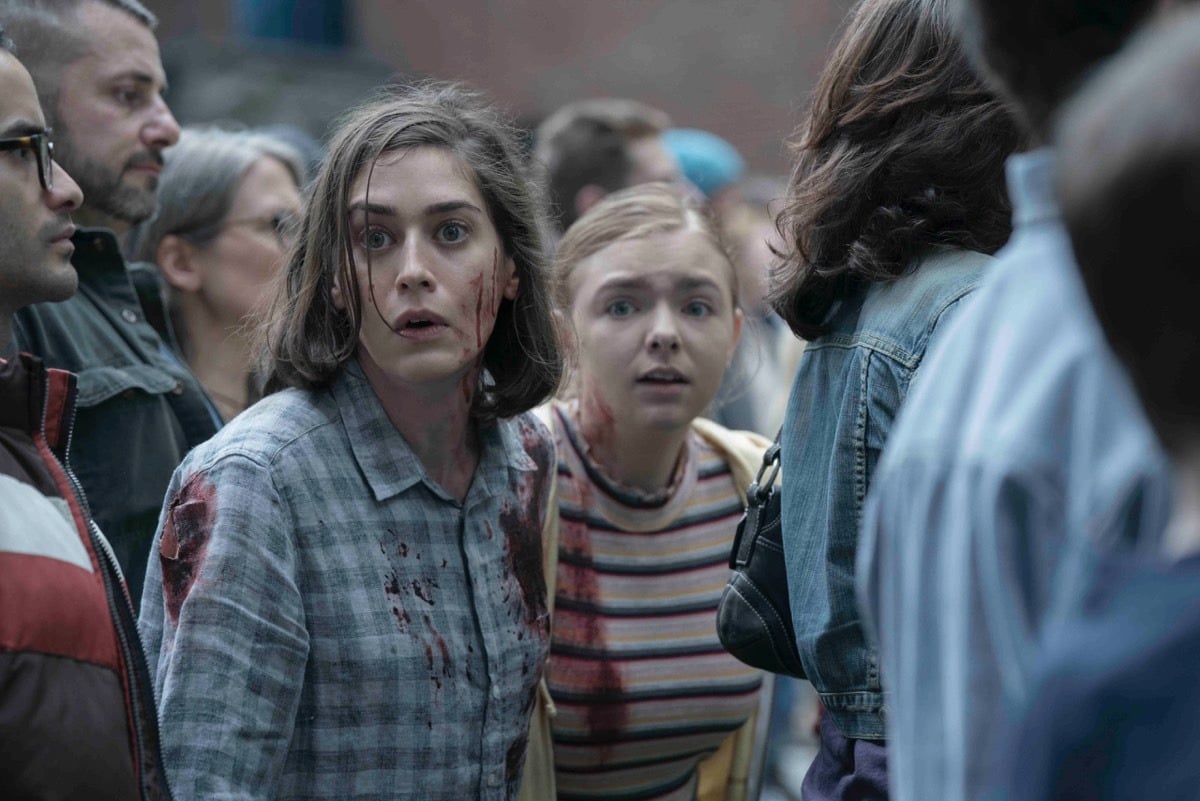
Season 2 shifts to a standalone tale but keeps the Castle Rock curse alive. It follows Annie Wilkes (Lizzy Caplan), the unhinged nurse from Misery, reimagined in her younger days as she arrives in town after a car crash, stranded with her teenage daughter Joy. What starts as a mother-daughter road-trip gone wrong collides with warring clans, ancient cults tied to Jerusalem’s Lot, and the Marsten House’s lingering evil from ‘Salem’s Lot. The season explores themes of inherited madness, religious fanaticism, and the town’s role as a magnet for darkness, with Caplan’s Annie a volatile mix of vulnerability and menace.
The series excels in atmosphere: foggy Maine woodlands, decaying Victorian homes, abandoned prisons—all shot with a muted palette that amplifies isolation and dread. The slow-burn pacing rewards patience, building tension through character-driven horror rather than cheap jumpscares. Supernatural elements feel organic to the setting—time slips, alternate realities, malevolent entities—echoing King’s multiverse without overt explanations.
Castle Rock was praised for its ambitious scope: 87% and 89% on Rotten Tomatoes for Seasons 1 and 2, with acclaim for its cast (including Jane Levy, Scott Glenn, Terry O’Quinn, and Tim Robbins in cameos) and its bold reimagining of King’s world. It connects Easter eggs across his bibliography—Shawshank redemption turned nightmare, Annie’s origin story, nods to The Shining, Cujo, Needful Things—while telling fresh, unsettling tales.
Though canceled after two seasons, its quiet Netflix arrival in late 2025 has sparked renewed interest, especially amid the King renaissance (It: Welcome to Derry and more). Viewers report binge-watching marathons, haunted by the lingering unease: the sense that Castle Rock’s evil isn’t confined to episodes—it’s timeless, patient, waiting for the next soul to wander in.
This isn’t jump-scare horror; it’s a hex that settles in your mind. Small-town safety as illusion. The past refusing to stay buried. An ancient evil waking slowly. In Castle Rock, every secret surfaces eventually—and the town always wins.
If you’re ready for a series that feels like Stephen King’s imagination bleeding into reality, dive in. Just don’t expect to sleep easily afterward. The credits fade to black, but the dread lingers long into the night.