In the ever-expanding landscape of streaming thrillers, Netflix has a knack for delivering stories that grip viewers from the first frame and refuse to release them until the credits roll. Enter “No One Saw Us Leave,” a five-part limited series that dropped in October 2025 and quickly became a global sensation. This brutal, addictive thriller doesn’t just entertain—it devastates, leaving audiences breathless with its shocking twists, relentless suspense, and a finale so emotionally shattering that fans have taken to social media to declare it “broke them” beyond repair. If you’re looking for a binge-worthy experience that blends high-stakes drama with profound human emotion, this isn’t just another entry in the genre; it’s an emotional freefall that lingers long after the screen goes dark.
Set against the backdrop of 1960s Mexico and spanning multiple countries, “No One Saw Us Leave” (originally titled “Nadie Nos Vio Partir” in Spanish) draws from a true story that feels almost too harrowing to be real. The series centers on Valeria, a devoted mother caught in the throes of a crumbling marriage within Mexico City’s affluent Jewish community. As her relationship with her husband, a powerful and controlling figure, deteriorates amid infidelity and irreconcilable differences, the conflict escalates into a nightmare. In a desperate act of revenge, her husband abducts their two young children and flees abroad, plunging Valeria into a desperate, globe-trotting pursuit to reclaim her family. What unfolds is a tense custody battle that exposes deep-seated family secrets, cultural stigmas, and the raw power dynamics within two influential Jewish families clashing in an era of rigid social norms.
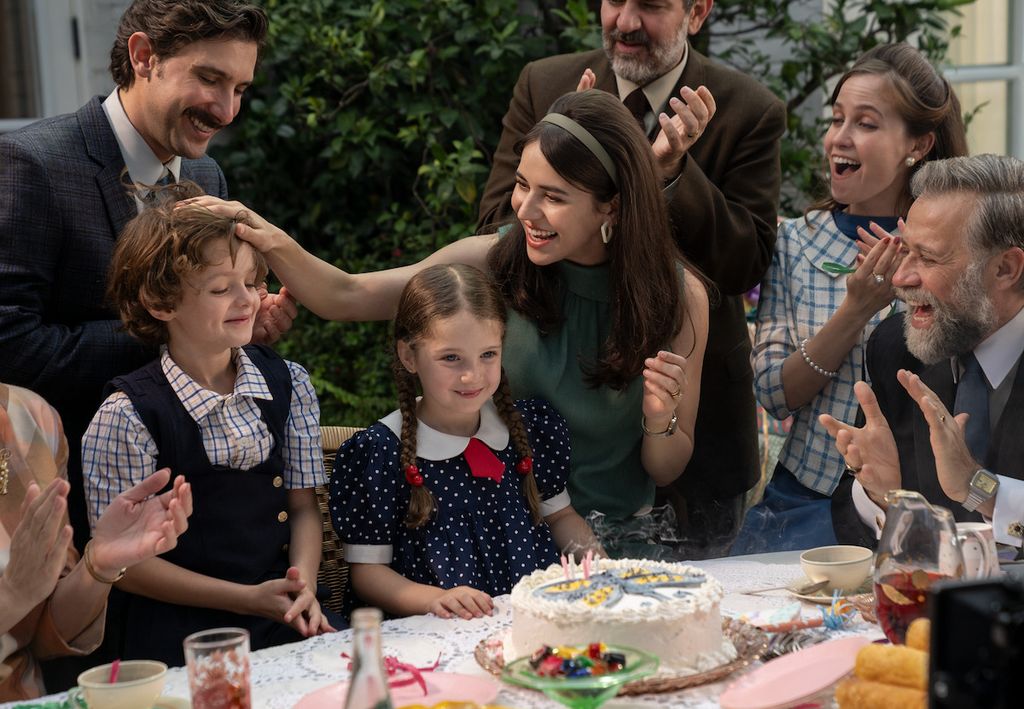
The narrative structure is masterful, with each of the five episodes building upon the last like layers of a tightening noose. Episode one introduces the idyllic yet fragile world of Valeria’s life, lulling viewers into a false sense of security before shattering it with the abduction. From there, the series propels forward with a relentless pace, alternating between Valeria’s frantic search and flashbacks that peel back the onion of her marriage’s toxic underbelly. Buried secrets emerge—affairs, hidden alliances, and generational traumas—that challenge everything the audience thinks they know. The international scope adds a layer of intrigue, as the story shifts from the bustling streets of Mexico City to the unfamiliar terrains of Europe and beyond, highlighting the isolation and desperation of a mother fighting against insurmountable odds.
What sets “No One Saw Us Leave” apart from typical thrillers is its unflinching exploration of emotional brutality. This isn’t a show reliant on cheap jump scares or gratuitous violence; instead, the horror stems from the psychological toll of betrayal and loss. Valeria’s journey is one of transformation—from a woman constrained by societal expectations to a fierce warrior willing to cross oceans and defy authorities. The series deftly weaves in themes of parental alienation, where the abducting parent manipulates the children against the other, creating wounds that may never fully heal. Viewers have praised how the show captures the quiet agony of separation, with scenes that linger on the empty rooms and silent echoes of a once-vibrant home. It’s this emotional depth that makes the twists hit so hard; just when you think you’ve pieced together the puzzle, the ground shifts, revealing revelations that upend alliances and motivations.
The performances are a cornerstone of the series’ success, elevating the material into something truly unforgettable. Leading the cast is a compelling portrayal of Valeria by an actress who embodies quiet strength and simmering rage. Her chemistry with the children—played by young talents who deliver nuanced, heartbreaking performances—is particularly poignant. The kids aren’t mere props; they’re integral to the story, their innocence clashing against the adult world’s cruelty in ways that evoke genuine empathy. The husband, portrayed as a complex antagonist rather than a one-dimensional villain, brings shades of vulnerability to his role, making his actions all the more chilling. Supporting characters, including family elders and legal figures from both sides of the feuding clans, add richness to the ensemble, reflecting the cultural and religious tensions of the time. The child actors, in particular, have been singled out for their authenticity, capturing the confusion and fear of being uprooted without resorting to melodrama.
Behind the camera, the series benefits from sharp direction that balances intimate character moments with sweeping, cinematic visuals. The 1960s setting is meticulously recreated, from the opulent homes of Mexico’s Jewish elite to the stark contrasts of foreign locales. Costumes and production design immerse viewers in the era, with period-appropriate details that enhance the authenticity. The soundtrack, a mix of haunting orchestral scores and subtle cultural motifs, amplifies the tension, underscoring key revelations without overpowering the dialogue. Filmed primarily in Spanish with English dubbing available (though some viewers recommend subtitles for a more immersive experience), the series maintains a raw, unpolished edge that feels true to its memoir roots.
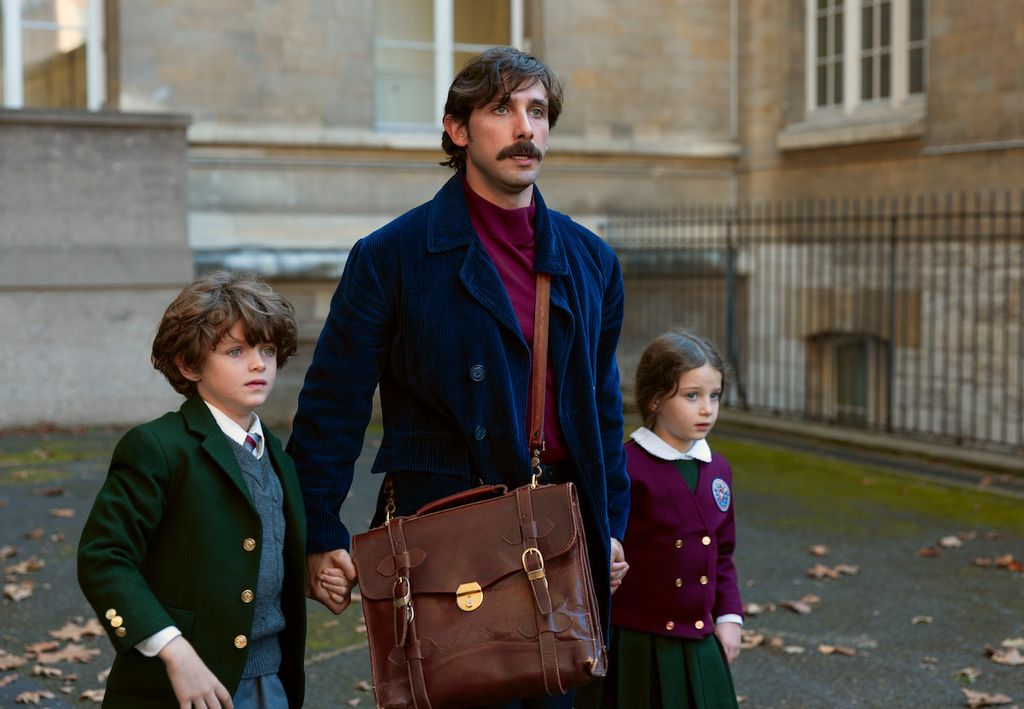
Speaking of which, “No One Saw Us Leave” is adapted from the real-life memoir of Tamara Trottner, who recounts her own abduction as a child in 1968 alongside her brother. This foundation in reality lends the story an added layer of gravitas, transforming it from mere entertainment into a poignant commentary on family dynamics, gender roles, and the long shadows of trauma. The series doesn’t shy away from the societal stigma faced by divorced women in that era, especially within conservative communities, where Valeria’s pursuit is met with judgment and obstacles at every turn. It’s a story of resilience, showing how one woman’s unyielding love can challenge patriarchal structures and international borders. Yet, it also delves into the darker side: the psychological scars on the children, the moral ambiguities of revenge, and the question of whether true recovery is ever possible after such profound betrayal.
Since its release, “No One Saw Us Leave” has sparked widespread discussion online, with fans praising its binge-ability and emotional impact. Social media platforms buzz with reactions, from viewers who binge-watched the entire series in one sitting to those who needed time to process the finale’s gut-wrenching payoff. Many describe it as “the most devastating ending Netflix has delivered,” with twists that not only resolve the central mystery but also deliver an emotional knockout punch. The finale, in particular, has been lauded for its refusal to tie everything up neatly, leaving lingering questions about forgiveness and healing that mirror real life. Critics have echoed this sentiment, noting the series’ ability to blend thriller elements with deep character study, earning it high marks for originality and execution.
For those drawn to stories like “The Stranger” or “The Undoing,” this series offers a similar blend of suspense and psychological depth, but with a cultural specificity that feels fresh. It’s not just about the chase; it’s about the human cost of fractured families and the lengths a parent will go to protect their own. The five-episode format is perfect—concise enough to maintain momentum without dragging, yet expansive enough to develop its themes fully. In a sea of content, “No One Saw Us Leave” stands out for its authenticity, refusing to gloss over the pain in favor of easy resolutions.
Ultimately, what makes this thriller so addictive is its relatability beneath the drama. At its core, it’s a universal tale of love, loss, and redemption, wrapped in a package of jaw-dropping surprises. Whether you’re watching for the plot twists or the emotional rollercoaster, prepare to be left stunned and reflective. Fans warn that once you start, you won’t stop until the end—and even then, recovery might take a while. Netflix has unleashed a powerhouse that redefines the thriller genre, proving that the most brutal stories are often the ones rooted in truth. If you haven’t dived in yet, clear your schedule; this is one emotional freefall you won’t forget.