In an age of fast-paced streaming originals and high-concept spectacles, sometimes the most powerful stories are the quiet ones that arrive unannounced and leave an indelible mark. That’s the case with Vera Drake, Mike Leigh’s acclaimed 2004 period drama, which has quietly returned to Netflix in select regions (notably the UK) after a period of absence, drawing fresh waves of viewers in early 2026. Featuring a career-defining performance from Imelda Staunton and strong support from Daniel Mays, among others, this poignant tale of compassion, secrecy, and societal judgment set in post-war London is gripping audiences from the opening scenes. Its reappearance feels like the rediscovery of a hidden gem—one that blends meticulous period authenticity with raw emotional depth, reminding us why character-driven British cinema endures.
Set in 1950 London, amid the lingering scars of World War II and the rigid social norms of the era, the film follows Vera Drake (Staunton), a cheerful, hardworking housekeeper who tends to affluent homes while nurturing her own modest family. Vera lives a simple life with her mechanic husband Stan (Phil Davis), her grown daughter Ethel (Alex Kelly), and son Sid (Daniel Mays), a young man grappling with his place in the world after wartime service. On the surface, the Drakes embody ordinary working-class resilience: tea in the parlor, family dinners, community dances. Yet Vera harbors a secret that defines her quiet heroism—she performs illegal abortions for women in desperate circumstances, viewing her acts not as crimes but as acts of kindness toward those society has abandoned.
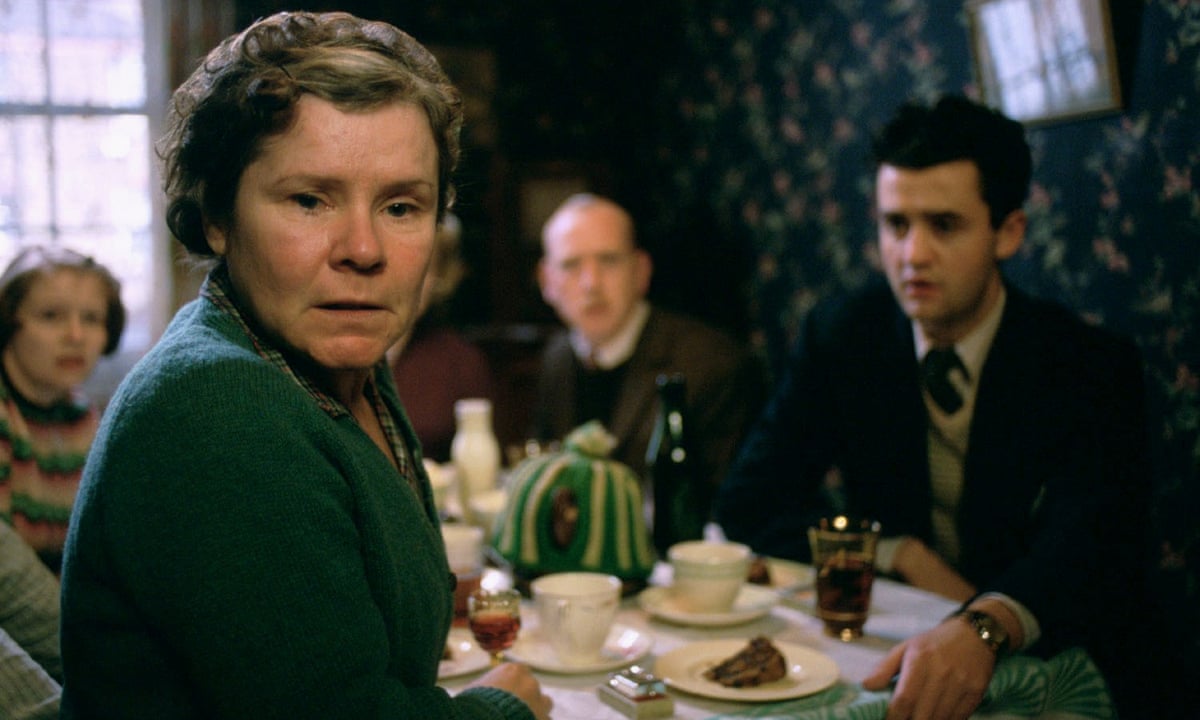
Vera’s procedures are rudimentary and compassionate; she uses soap and water, offers tea and reassurance, and never charges those who can’t afford it. Her clients range from frightened teenagers to married women overwhelmed by circumstance, each encounter underscoring the desperate realities faced by women in a time when abortion was criminalized and access to safe medical care was limited. Vera’s motivation stems from empathy rather than ideology—she helps because she believes no one should suffer alone. This moral clarity, however, collides brutally with the law and the era’s hypocrisy when one of her patients suffers severe complications, drawing police scrutiny and unraveling the fragile fabric of her family life.
Mike Leigh, known for his improvisational directing style and focus on authentic human experience, crafts a film that feels lived-in rather than staged. The 1950s setting is evoked with subtle precision: rationing-era austerity, modest council flats, the sounds of trams and BBC radio, and the class divides that permeate every interaction. Leigh’s screenplay avoids melodrama, letting tension build through everyday details—the clink of teacups, awkward silences at family gatherings, the weight of unspoken truths. The pacing is deliberate, mirroring the slow-burn realization that Vera’s secret world is about to collide with the public one.
At the heart of the film is Imelda Staunton’s extraordinary portrayal of Vera. Staunton disappears into the role, adopting a soft-spoken Cockney accent, gentle mannerisms, and an unassuming warmth that makes Vera’s eventual downfall all the more devastating. Her performance earned widespread acclaim, including an Academy Award nomination for Best Actress, as well as nods at the Golden Globes, BAFTAs, and Venice Film Festival (where the film premiered to great fanfare). Daniel Mays, as the dutiful yet conflicted son Sid, delivers a nuanced turn—his character wrestles with personal demons and family loyalty, adding layers to the domestic drama. The ensemble shines: Phil Davis as the steadfast but bewildered Stan, Eddie Marsan and Adrian Scarborough in key supporting roles, and Sally Hawkins in an early appearance as a vulnerable young woman.
The film’s emotional core lies in its exploration of morality, class, gender, and compassion in a repressive society. Vera’s actions challenge viewers to question who gets to define right and wrong—especially when the law serves the privileged while punishing the poor. The consequences ripple outward, testing family bonds and exposing hypocrisies: wealthier women access safer options through discreet doctors, while Vera’s patients risk everything. Leigh handles these themes with sensitivity, never preaching but allowing the characters’ humanity to speak volumes.
Critics and audiences have long hailed Vera Drake as a masterpiece of understated power. It draws favorable comparisons to other heartfelt British historical dramas like Call the Midwife for its focus on women’s lives and social issues, or Foyle’s War for its evocative period detail. Upon original release, it garnered praise for its “meticulously crafted” storytelling, “emotionally charged” performances, and unflinching look at a taboo subject. In its Netflix resurgence, viewers are rediscovering its relevance—discussions online highlight how the film’s themes of bodily autonomy and hidden struggles resonate in contemporary conversations.
Clocking in at just over two hours, Vera Drake is a compact yet profoundly moving experience. It doesn’t rely on flashy twists or action; instead, it builds suspense through emotional stakes and the quiet dread of inevitable discovery. The finale delivers a gut-punch of tragedy and quiet dignity, leaving audiences reflective and moved.
With its return to Netflix, Vera Drake offers a chance to experience—or revisit—a film that stands as one of the finest British dramas of the 21st century. In a streaming era often dominated by spectacle, this story of an ordinary woman doing extraordinary acts of kindness reminds us of the power of empathy in the face of judgment. If you’re drawn to character-rich, historically grounded narratives that pack an emotional wallop, don’t miss this gripping return. Stream it now—Staunton’s Vera is as unforgettable as ever.