Netflix has reignited one of television’s most hypnotic slow-burn thrillers: Foyle’s War, the Anthony Horowitz-crafted WWII detective saga that’s clawing its way back into the streaming spotlight. Added to the platform in late October 2025 after a decade-long absence in some regions, all 28 feature-length episodes across eight series (2002–2015) are now binge-ready—pulling viewers into the fog-shrouded streets of Hastings, England, where the Blitz rages overhead, but the real killers lurk in drawing rooms, black-market dens, and whispered betrayals below. This isn’t your flashy procedural with car chases and gunfights. It’s a meticulously layered moral minefield where every case peels back the hypocrisy of wartime Britain, exposing profiteers, spies, fascists, and collaborators hiding behind ration books and union jacks. The tension? It simmers like a kettle on the boil—deliberate, inescapable, and liable to scald you when it erupts.
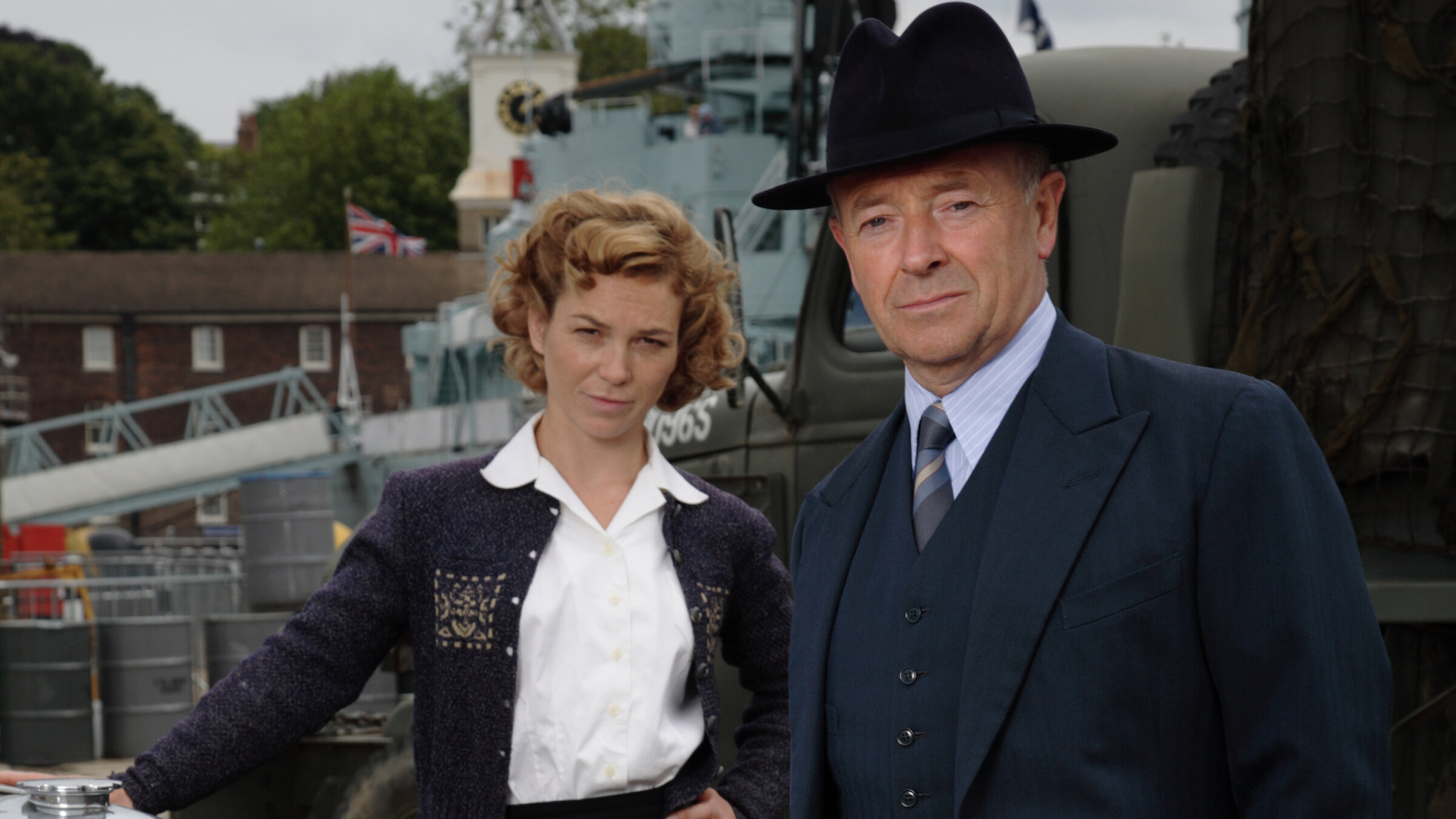
At the unyielding core is Michael Kitchen’s Detective Chief Superintendent Christopher Foyle—a widower in his fedora and trench coat, denied frontline duty for his “essential” police role. Kitchen embodies quiet devastation: no bombast, no outbursts, just piercing eyes that miss nothing and a voice like gravel underfoot. Foyle doesn’t chase suspects; he listens, observes, and dismantles alibis with surgical calm. “He’s the still center of a spinning world,” one viewer raved on X, and it’s true—amid air-raid sirens and evacuated children, Foyle’s investigations reveal how war twists ordinary folk into murderers. Black marketeers peddle stolen petrol for profit, Land Girls hide affairs amid crop sabotage, conscientious objectors face frame-ups, and German internees endure mob vengeance. Horowitz, the genius behind Midsomer Murders and Alex Rider, weaves real history into fiction: the Battle of Britain, D-Day prep, rationing riots, even early Cold War espionage in later seasons.
The series spans 1940–1945 in Series 1–6, then hurtles into post-war shadows for 7–8, where Foyle retires only to be yanked into MI5’s web of Soviet spies, atomic secrets, and moral quagmires. Hastings isn’t quaint backdrop—it’s a pressure cooker: evacuees smuggle secrets, airmen cover court-martials, and upper-class traitors sip tea while plotting. Foyle’s driver, the plucky Samantha “Sam” Stewart (Honeysuckle Weeks), evolves from wide-eyed aide to sharp investigator, her romance with Foyle’s son Andrew (Julian Ovenden) adding poignant stakes. Detective Sergeant Paul Milner (Anthony Howell), the leg-wounded war vet, brings grit and loyalty, forming a trio that’s family amid fracture.
What grips like a vice? The twists—never telegraphed, always earned. A seemingly straightforward farm murder unveils Nazi sympathizers (“The White Feather”). A pacifist’s “suicide” exposes judge threats and black-market greed (“A Lesson in Murder”). Later gems like “Killing Time” tackle U.S. troops’ segregation clashes, while “The German Woman” dissects anti-foreigner hysteria with a decapitated internee’s wife. Post-war arcs darken: Foyle probes high-society suicides masking espionage (“Allied to the Enemy”), confronting a world where victory’s peace breeds new poisons—communist hunts, colonial guilt, nuclear dread. No cheap cliffhangers; each 90-minute episode is a self-contained novella, rich with period detail: Anderson shelters, barrage balloons, Victory gardens, all impeccably recreated.
Reviews hail it as “British TV’s finest” (96% audience score on Rotten Tomatoes, 8.6/10 IMDb from 20k+ ratings). “Compelling and oddly comforting,” fans say, blending nostalgia with unease. X buzz since Netflix’s UK/Ireland drop (Oct 22, 2025) explodes: “Binge central… murderous shenanigans on the South Coast during WWII,” tweets @kmstaunton1. @tomdoorley savors Laurence Fox as a “young over-privileged collaborator—perfect casting.” @reporterboy calls it “fab,” praising Kitchen’s wordless gravitas and Horowitz’s plotting. Viewers note historical precision—Blitz rationing, Land Army woes, even Charles Dance as a fascist spouting eerily modern rhetoric. One X user: “Period detail jawdropping… like Inspector George Gently but wartime.”
The moral rot? War’s true battlefield. Foyle clashes with superiors burying crimes for “war effort” optics—profiteering overlooked, spies shielded, racism fueled. Justice feels fragile: witnesses silenced by bombs, loyalties to king over truth. Foyle’s mantra—”Murder is murder”—cuts through, but survival demands compromises that haunt him. Later seasons bleakly shift to noir: Foyle’s “retirement” unmasks Cold War betrayals, where conscience battles necessity. “Shockingly bleak,” per rewatches; no tidy reds, just gray survival.
Guest stars dazzle: David Horovitch, Robert Hardy, Rosamund Pike, James McAvoy early on; later, Charles Dance, Hermione Norris, Rupert Vansittart. Production shines—Jim Parker’s brooding theme, misty Sussex cliffs evoking dread. No gore, but unease permeates: a child’s evacuation hides tragedy, a pilot’s crash conceals treason.
As of January 30, 2026, Foyle’s War streams on Netflix (select regions; check ITVX/Acorn TV elsewhere), fueling binges amid BBC licensing flux. Horowitz ended it emotionally in 2015, but its revival feels timely—echoing modern divides, hidden threats.
This isn’t flashy crime TV. It’s a portrait of Britain strained: conscience vs. necessity, visible foes vs. invisible rot. Foyle’s calm precision hooks you—episodes like novels you must finish. Addictive not for shocks, but revelation: war’s real enemies wear familiar faces. Dive in; the sirens wail, but the truth cuts deeper.