Netflix has dropped a bombshell in the crime thriller genre with The Rip, a sun-drenched, sweat-soaked Miami cop drama starring lifelong friends Matt Damon and Ben Affleck that has rocketed to the top of the charts since its January 16, 2026 release. Directed by Joe Carnahan, known for his high-octane style in films like Narc and Smokin’ Aces, the movie delivers a relentless, morally tangled ride that starts as a standard heist-gone-wrong tale but spirals into something far more brutal and psychologically punishing. Viewers are left reeling from its twists, divided on its characters’ choices, and obsessing over the devastating final revelation that reframes everything.
The story centers on the Tactical Narcotics Team (TNT) of the Miami-Dade Police Department, a tight-knit unit tasked with raiding cartel stash houses and seizing drug money. Lieutenant Dane Dumars (Damon), a grieving father still processing the loss of his young son to cancer, leads the squad with quiet intensity. His longtime partner and friend, Detective Sergeant J.D. Byrne (Affleck), brings swagger, street smarts, and a volatile edge that masks deeper insecurities. The team includes sharp performers like Detective Mike Ro (Steven Yeun), Detective Numa Baptiste (Teyana Taylor), and Detective Lolo Salazar (Catalina Sandino Moreno), each adding layers of tension and suspicion.
The inciting incident hits early and hard: during a routine raid on a seemingly ordinary suburban home, the team uncovers an astonishing $20–24 million in cash hidden in the walls and attic—far more than expected from a routine bust. Protocol demands they stay on-site to count every bill before leaving, turning the house into a pressure cooker. As the hours drag on under the relentless Florida heat, word leaks about the massive seizure. Cartel threats loom, internal affairs eyes them suspiciously, and paranoia sets in. Who can be trusted with that kind of money? Is someone on the team tempted to skim? Is one of them already compromised?
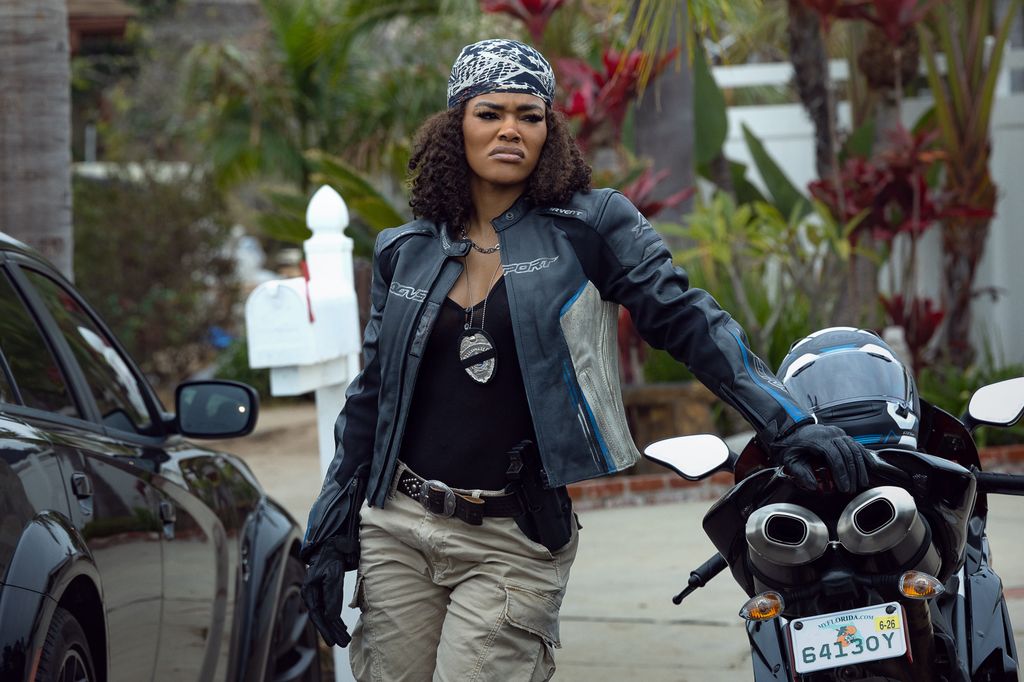
What elevates The Rip beyond typical cop thrillers is its unflinching exploration of trust, greed, and ethical erosion. Damon’s Dumars grapples with personal demons while trying to hold the line on integrity, his tattoo—“Are we the good guys?”—serving as a haunting refrain. Affleck’s Byrne, charismatic yet unpredictable, embodies the seductive pull of shortcuts in a system that often chews up honest cops. The film doesn’t shy away from the moral gray areas: low pay, constant danger, departmental distrust, and the temptation of life-changing cash create a perfect storm. Supporting characters amplify the stakes—Yeun’s Ro brings quiet calculation, Taylor’s Baptiste fierce determination, and Moreno’s Salazar raw frustration with the bureaucracy that fails them.
Carnahan directs with muscular confidence, blending visceral action sequences—raids, chases through Miami’s neon-lit streets, and tense standoffs—with claustrophobic character drama confined to the stash house. The visuals pop: sun-bleached exteriors contrast with the dim, money-stuffed interior, while the score pulses with urgency. The film’s structure plays with time and perspective, dropping breadcrumbs that force rewatches to catch the clues leading to the shocking twist.
That final twist is the element sparking the most debate. Without spoiling specifics, it involves betrayal on a profound level, upending alliances and forcing viewers to question loyalties retroactively. Social media exploded post-release, with fans praising the gut-punch reveal as “devastating” and “brilliant,” while others called it manipulative or overly cynical. Discussions rage about who the true villain is, whether redemption is possible, and how the ending comments on real-world corruption in law enforcement. Many hail it as “essential viewing” for its refusal to play fair or offer easy answers.
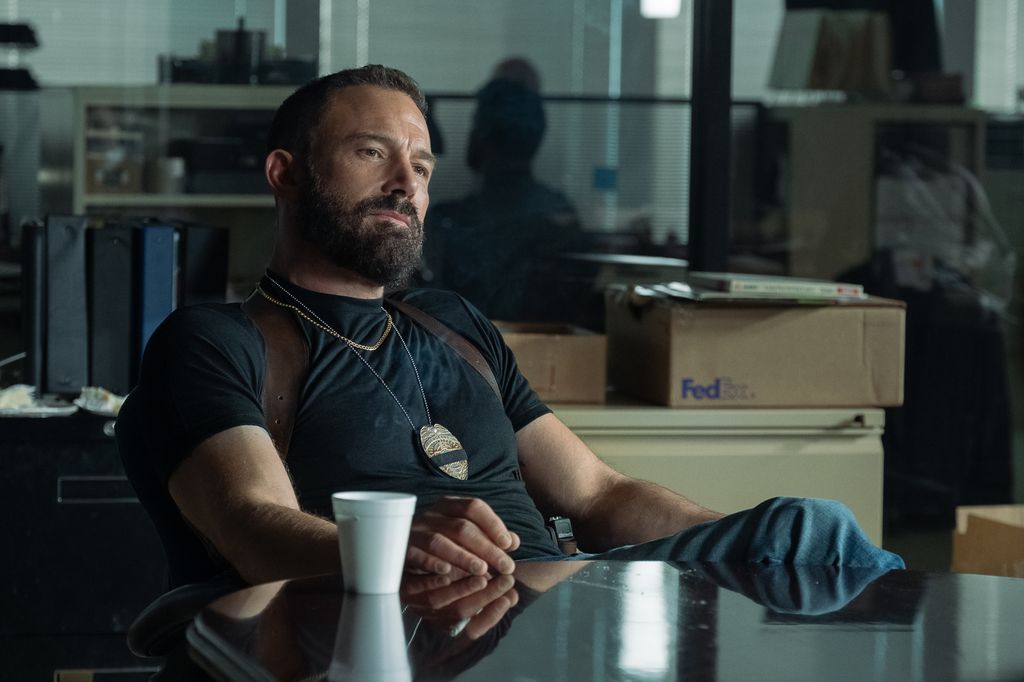
The reunion of Damon and Affleck adds emotional weight. Childhood friends who won an Oscar for Good Will Hunting and collaborated on hits like the Ocean’s series and The Last Duel, they’ve rarely shared the screen in recent years. Damon has spoken about the impetus: watching a documentary on The Beatles with his daughter, moved by their youthful joy and abrupt end, he felt urgency to reunite with Affleck in their fifties—“to go out on our shields, at least together.” Their chemistry crackles—familiar banter laced with underlying strain—making the erosion of their bond feel authentic and heartbreaking.
The supporting cast shines. Yeun delivers nuanced paranoia, Taylor commands scenes with intensity, and Chandler’s DEA agent Mateo “Matty” Nix adds external pressure. Cameos and smaller roles from Scott Adkins, Sasha Calle, Nestor Carbonell, and Lina Esco flesh out the world.
Inspired loosely by a 2016 real-life Miami-Dade raid where officers discovered $20 million in a suburban home—led by officer Chris Casiano, whose experience informs Dumars—the film fictionalizes corruption elements for dramatic effect. Produced by Damon and Affleck’s Artists Equity, with a reported $100 million budget, it represents a departure for Netflix: a performance-based bonus for crew if benchmarks are hit, showing confidence in its appeal.
Critically, The Rip earns praise for leveraging the stars’ chemistry to ground a potboiler plot, with an 81% on Rotten Tomatoes highlighting its compulsive watchability. Some note it doesn’t reinvent the genre, but its craft, tension, and performances make it one of Netflix’s stronger recent originals. In a streaming era of disposable content, it stands out by demanding attention—building suspense methodically, shredding nerves, and delivering a finale that lingers.
Social buzz underscores its impact: viewers call it gritty, suspenseful, and morally messy, with the twist forcing reevaluation of every interaction. It’s the kind of film that divides—some see it as a bleak commentary on institutional rot, others as a thrilling bro-down with high stakes. Either way, The Rip has detonated on Netflix, proving that when Damon and Affleck reunite for something brutal, the results are explosive, unforgettable, and impossible to shake.