In the fragile quiet that followed the Great War, England tried to rebuild its shattered world. Families mourned lost sons, couples clung to surviving children, and the rhythms of daily life masked deep, unspoken wounds. Into this landscape of restrained grief steps Mothering Sunday, a luminous yet emotionally brutal period drama now streaming on Netflix. The film does not beg for tears or rely on sweeping melodrama. Instead, it earns every emotional response through patient observation, devastating silences, and performances so finely tuned that every glance and pause carries the weight of everything left unsaid.
At the center is Jane Fairchild, an orphaned housemaid working for the wealthy Niven family in the English countryside. Played with remarkable sensitivity and quiet fire by Odessa Young, Jane is given a rare day off on Mothering Sunday in 1924. While her employers, Mr. and Mrs. Niven (Colin Firth and Olivia Colman), attend a luncheon with friends, Jane cycles to a nearby manor house for a secret rendezvous with Paul Sheringham (Josh O’Connor), the charming, privileged son of a neighboring family. Paul is engaged to be married to a suitable young woman from his social circle, making this stolen afternoon their final intimate encounter before duty and expectation pull them apart forever.
What unfolds in that sunlit room is a tender, sensual, and achingly fleeting moment of connection. The lovers shed not only their clothes but also the rigid class barriers and social expectations that define their world. For a few precious hours, they exist only for each other — talking, laughing, making love, and imagining a different future. Director Eva Husson captures these scenes with lush, intimate cinematography that celebrates the beauty of the human form and the fragile joy of being truly seen. Yet even in these moments of closeness, an undercurrent of melancholy lingers. The audience senses, as Jane does, that this happiness is borrowed time.
The film masterfully shifts between timelines, weaving the events of that single day with glimpses of Jane’s life decades later. As a mature woman, Jane has transformed into a celebrated writer, portrayed in her later years by the legendary Glenda Jackson in one of her final screen appearances. These non-linear jumps reveal how that Mothering Sunday reverberates through Jane’s entire existence — shaping her voice as an author, her understanding of love and loss, and her hard-won independence. The structure mirrors memory itself: fragmented, vivid, and insistent, refusing to fade even as years pass.
Olivia Colman and Colin Firth deliver what many are calling devastatingly restrained performances as the Nivens, a couple outwardly composed yet inwardly shattered by the war’s toll. They lost their two sons in the conflict, leaving an emptiness that no amount of polite conversation or social ritual can fill. Colman, in particular, conveys profound sorrow through subtle expressions and controlled gestures — a woman performing the role of gracious hostess while quietly drowning in grief. Firth matches her intensity with quiet dignity, his character’s stiff upper lip cracking only in the most private moments. Their scenes together are masterclasses in understatement, where the heaviest emotions are communicated through what remains unspoken.

Josh O’Connor brings layered charm and vulnerability to Paul, a young man torn between genuine affection for Jane and the inescapable pull of his privileged future. Young’s Jane is the emotional anchor — observant, resilient, and quietly defiant. Her performance grows in power as the film progresses, showing a woman who absorbs life’s hardest lessons and alchemizes them into art. Supporting turns from Ṣọpẹ́ Dìrísù as a kind-hearted philosopher who enters Jane’s life later, along with Emma D’Arcy and others, add texture and warmth to the story of self-discovery and survival.
Based on Graham Swift’s acclaimed novella and adapted by playwright Alice Birch, Mothering Sunday is less a conventional romance and more a meditation on how love survives — or fails to survive — the passage of time. It explores the class divide in post-war Britain with nuance, never reducing characters to stereotypes. Jane’s journey from servant to independent writer celebrates the quiet triumph of a woman claiming her own narrative in a society that offered her few opportunities. Yet the film never shies away from the pain that accompanies such growth: the regrets that settle in slowly, the what-ifs that haunt, and the irreversible losses that shape a life.
The beauty of the film lies in its patience. Cinematographer Jamie Ramsay bathes the English countryside in golden light, contrasting the lush, sensual present with the cooler, more reflective tones of later years. The score is sparse and haunting, allowing natural sounds and silence to carry much of the emotional weight. Director Husson lingers on small details — a hand brushing skin, a bicycle ride through blooming fields, the way light falls across a naked body — turning ordinary moments into something profound and sacred.
Viewers have described the experience as emotionally brutal in the most beautiful way. The film does not rush toward tragedy or resolution; instead, it allows sorrow to unfold naturally, much like real grief. One particular final moment, quiet and understated, lingers long after the screen fades to black. It is the kind of ending that invites reflection rather than catharsis, leaving audiences to sit with the story’s lingering ache.
In an era of loud blockbusters and quick emotional payoffs, Mothering Sunday stands apart as a work of rare restraint and depth. It is about love that endured the war but could not withstand the demands of class, duty, and time. It is about regret that arrives not with dramatic outbursts but with the slow, steady accumulation of missed chances. And above all, it is about the quiet power of memory and storytelling to transform pain into something enduring and meaningful.
Olivia Colman and Colin Firth, two of Britain’s most celebrated actors, bring decades of experience to roles that demand they hold back as much as they reveal. Their chemistry with the younger cast creates a rich tapestry of generational contrast — the war-scarred older generation versus the younger one grasping for freedom and authenticity in a changed world.
For anyone who appreciates period dramas that prioritize emotional truth over spectacle, Mothering Sunday is essential viewing. It is beautiful in its visuals, patient in its pacing, and unflinchingly honest in its portrayal of human fragility. The film does not shout its messages; it whispers them with such precision that they pierce straight to the heart.
Netflix’s decision to bring this critically acclaimed gem to a wider audience feels perfectly timed. In a world still recovering from its own collective traumas, Mothering Sunday offers a gentle yet profound reminder of resilience, the redemptive power of art, and the way love — even when lost — continues to echo through a lifetime.
Watch it when you are ready to feel deeply. Let its quiet moments settle over you. Because this is a film that does not simply entertain — it stays with you, long after the final, haunting image fades.
News

ROYAL CLAIM: King Charles III Makes Surprising Move Involving Michael Middleton and Prince William
In a quiet but highly significant development behind the palace walls, King Charles III has reportedly taken an unexpected step by formally involving Michael Middleton — the father of the…
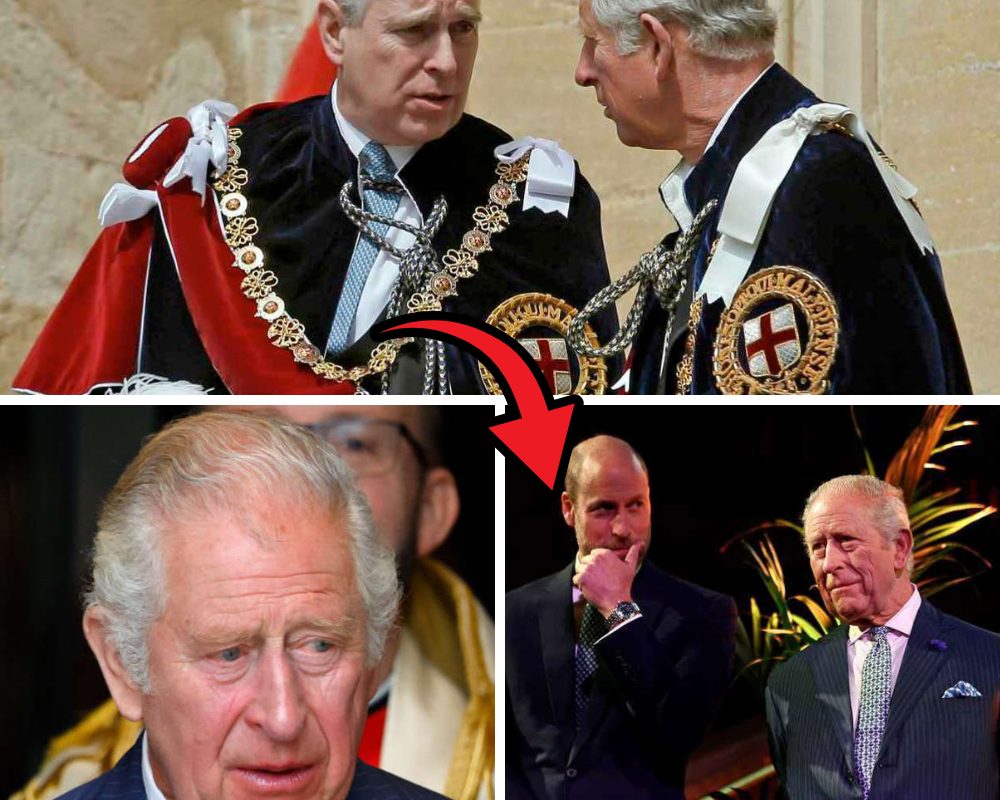
Real Reason Why King Charles Is ‘Nervous’ of Andrew’s Next Move
As King Charles III continues to steer the British monarchy through a period of transition and heightened public scrutiny, one figure continues to cast a long and uncomfortable shadow over…
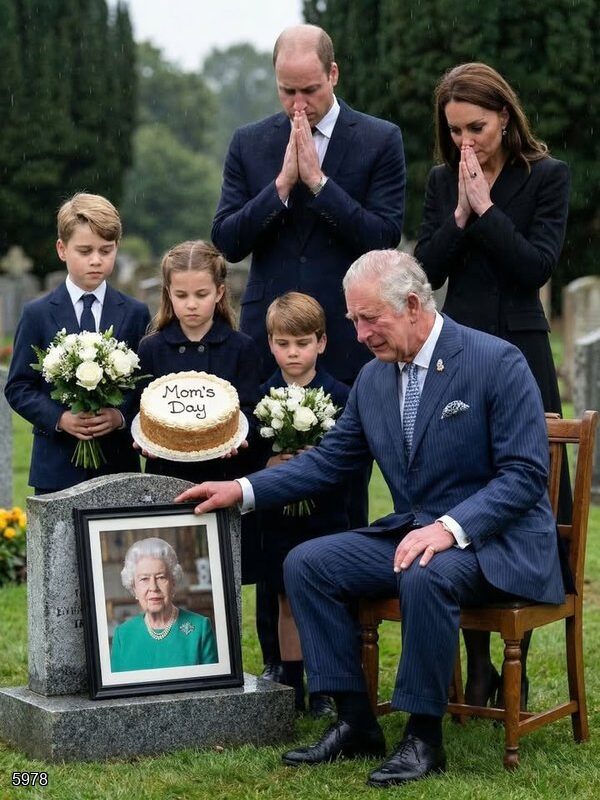
“I Miss You Every Day, Mom…” — A Heartbreaking Moment as King Charles Breaks Down in Tears at Queen Elizabeth II’s Grave
While much of the world was marking Mother’s Day with flowers, cards, and family gatherings in March 2026, King Charles III experienced a profoundly private and emotional day that revealed…

Special Request Rebuffed — Meghan Reportedly Disappointed After Prince William Declines to Engage
In a development that underscores the persistent distance between the Duke and Duchess of Sussex and the senior members of the British royal family, Meghan Markle is said to have…
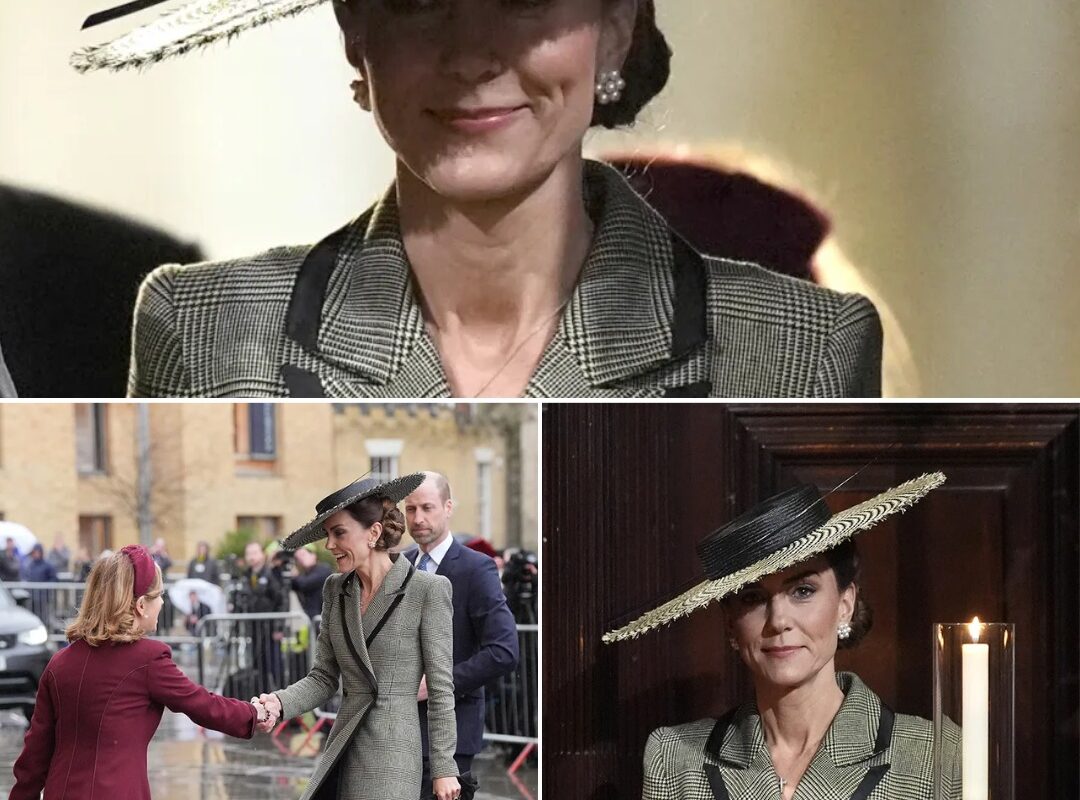
The Look Was Elegant From Every Angle… But One Detail Stole the Spotlight
As Catherine, Princess of Wales, stepped forward at the historic installation of the new Archbishop of Canterbury, all eyes were on her — and for good reason. Her entire ensemble…

Lainey Wilson Delivers High-Energy Performance and Heartfelt Tribute to Miley Cyrus at the 2026 iHeartRadio Music Awards: From Hannah Montana Impersonator to Country Star
On March 26, 2026, at the Dolby Theatre in Los Angeles, Lainey Wilson brought the house down during the iHeartRadio Music Awards with a high-energy performance that showcased her signature…
End of content
No more pages to load