The 2009 drama Mississippi Damned, written and directed by Tina Mabry, stands as one of the most powerful and heartbreaking depictions of intergenerational poverty, abuse, and survival in rural America. Drawing from Mabry’s own experiences growing up in Tupelo, Mississippi, the film pulls no punches in its examination of how cycles of trauma can trap entire families across decades. Spanning from 1986 to the late 1990s, it follows three young Black cousins—Kari, Leigh, and Sammy—as they navigate a world shaped by addiction, violence, neglect, and systemic failure. What makes the movie so devastating is not just its unflinching realism, but the way it forces viewers to confront the uncomfortable truth: these stories are not fiction. They reflect lives lived every day in forgotten corners of the country, where hope often feels like a luxury few can afford.
At its core, Mississippi Damned is a character-driven narrative centered on the interconnected lives of two struggling families in a small, rural Mississippi town. The story begins in the mid-1980s, introducing teenage cousins Leigh and Sammy, along with Leigh’s younger sister Kari. Their mothers and aunts are locked in a daily battle just to keep a roof over their heads, relying on low-wage jobs, welfare, and whatever scraps of support they can scrape together. The adults are flawed and broken: alcoholism runs rampant, relationships are marred by infidelity and domestic violence, and financial desperation leads to desperate choices. One aunt squanders money on fleeting pleasures, while another endures abuse in silence. The children witness it all, absorbing the pain like sponges, even as they try to dream beyond their circumstances.
Kari, portrayed in her younger years by Kylee Russell and later as an adult by Tessa Thompson, emerges as one of the film’s most poignant figures. A talented pianist with a bright future ahead, she represents the fragile possibility of escape. Yet her home life is a minefield of neglect and exploitation. Sammy, played first by Malcolm David Kelley and then by Malcolm Goodwin as an adult, is a promising basketball player whose gifts offer a potential ticket out of town. But his path is derailed by sexual abuse from an older man in the community, a trauma that leaves lasting scars and contributes to his eventual downfall. Leigh, embodied by Chasity Kershal Hammitte, grapples with her own identity and anger, lashing out in ways that lead to her expulsion from home after a violent confrontation.

As the timeline jumps forward to the late 1990s, the consequences of these early traumas become painfully clear. Sammy returns to town after a brief stint of fame in the NBA, now humbled and burdened by a family of his own. The promise he once carried has faded, replaced by the weight of unresolved pain and the pull of old habits. Kari’s musical talent has been stifled by the demands of survival, and the cycle threatens to repeat itself unless someone finds the strength to break it. The film never offers easy resolutions or feel-good redemption arcs. Instead, it presents characters who must decide whether to confront the demons passed down through generations or succumb to the same patterns that have damned those before them.
Tina Mabry’s direction is masterful in its restraint and authenticity. There is no melodrama for its own sake; the brutality is presented matter-of-factly, allowing the emotional impact to build organically. The cinematography, captured by Bradford Young, uses muted colors and intimate framing to emphasize the claustrophobia of small-town life. Homes feel cramped and worn, streets empty and unforgiving. The soundtrack, sparse and haunting, mirrors the isolation of the characters. Mabry avoids preachiness, letting the stories speak for themselves. This approach elevates what could have been overwhelming misery into something profound and necessary.
The performances are exceptional across the board, lending depth to what might otherwise feel like archetypes. Tessa Thompson delivers a quietly powerful turn as the adult Kari, conveying both resilience and quiet despair. Malcolm Goodwin brings nuance to Sammy’s arc, showing how trauma can erode even the most gifted individuals. Supporting roles, including those by Michael Hyatt and D.B. Woodside, add layers to the adult world, portraying people who are not villains but products of the same broken system. The young actors hold their own, capturing the innocence and confusion of children caught in adult storms.
Thematically, Mississippi Damned explores the insidious nature of generational trauma. Poverty is not just economic—it’s emotional, psychological, and cultural. Abuse begets abuse, addiction fuels neglect, and silence becomes the default response to pain. The film highlights how these issues intersect with race and place in the rural South, where opportunities are scarce and systemic barriers reinforce despair. Teen pregnancy, unemployment, welfare dependency, and spousal abuse are not sensationalized but shown as everyday realities that compound over time. Yet amid the darkness, glimmers of humanity persist: moments of love, small acts of kindness, and the stubborn will to survive. The movie suggests that while escape is possible, it requires immense courage and often comes at great cost.
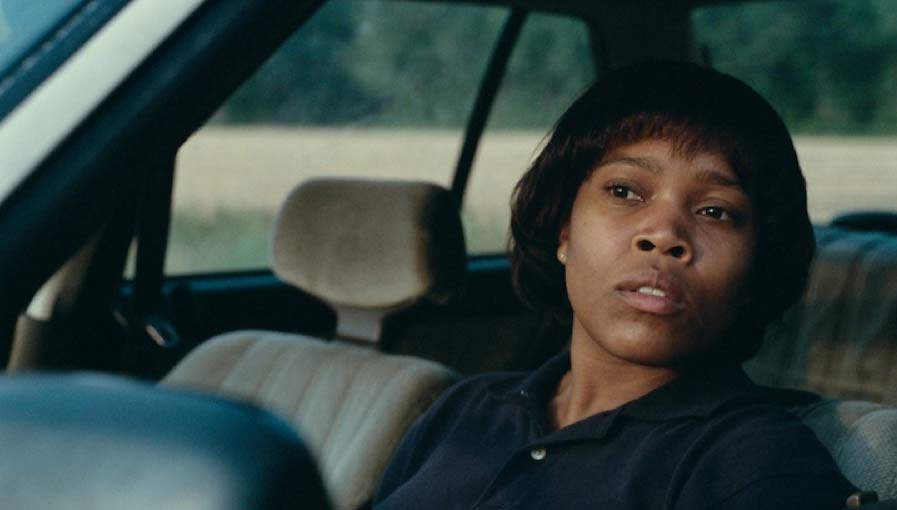
Critically, the film earned praise for its honesty and emotional depth. It won the Gold Hugo for Best Film at the Chicago International Film Festival and garnered strong reviews for refusing to look away from uncomfortable truths. Viewers often describe it as gut-wrenching, a film that leaves them angry, heartbroken, and profoundly moved. Many note how it mirrors real-life experiences, making it feel less like entertainment and more like a mirror held up to society. The raw survival depicted—no sugarcoating, no easy outs—makes it hard to watch, but impossible to forget. It lingers long after the credits roll, a reminder that these cycles continue in houses just like the ones on screen.
In an era where many films soften harsh realities for broader appeal, Mississippi Damned chooses unflinching truth. It doesn’t offer solutions or platitudes; it simply shows the damage and the quiet fight to overcome it. For anyone who has lived through similar circumstances, it can feel like validation—someone finally told the story without dilution. For others, it’s a necessary wake-up call to the persistent struggles in America’s forgotten communities. The film’s power lies in its refusal to let viewers turn away. It demands attention, empathy, and reflection on how society fails its most vulnerable and how those failures echo through generations.
Ultimately, Mississippi Damned is more than a movie—it’s a testament to resilience in the face of overwhelming odds. It breaks hearts because it reveals the human cost of inaction and inherited pain. It angers because it exposes injustices that persist. Yet it also inspires a fierce hope that breaking the cycle is possible, even if the path is brutal and uncertain. In its honesty and emotional weight, it remains one of the most important and affecting independent dramas of its time.