Miranda Lambert didn’t simply perform “Run” at the Kennedy Center Honors — she exposed its emotional core. Standing on one of America’s most prestigious stages, Lambert stripped the song of polish and spectacle, delivering a performance rooted in restraint, reverence, and quiet devastation. Every note carried the weight of legacy, not imitation. Honoring George Strait meant honoring the truth beneath the melody, and Lambert chose vulnerability over volume. Cameras caught the stillness in the room, the subtle nods, the collective recognition that this was something rare. In an era of overproduction and viral theatrics, her performance reminded audiences why country music endures — because it tells human stories without apology. This was respect without flattery, tribute without excess, and emotion without manipulation. A timeless song met a voice brave enough to let it breathe.
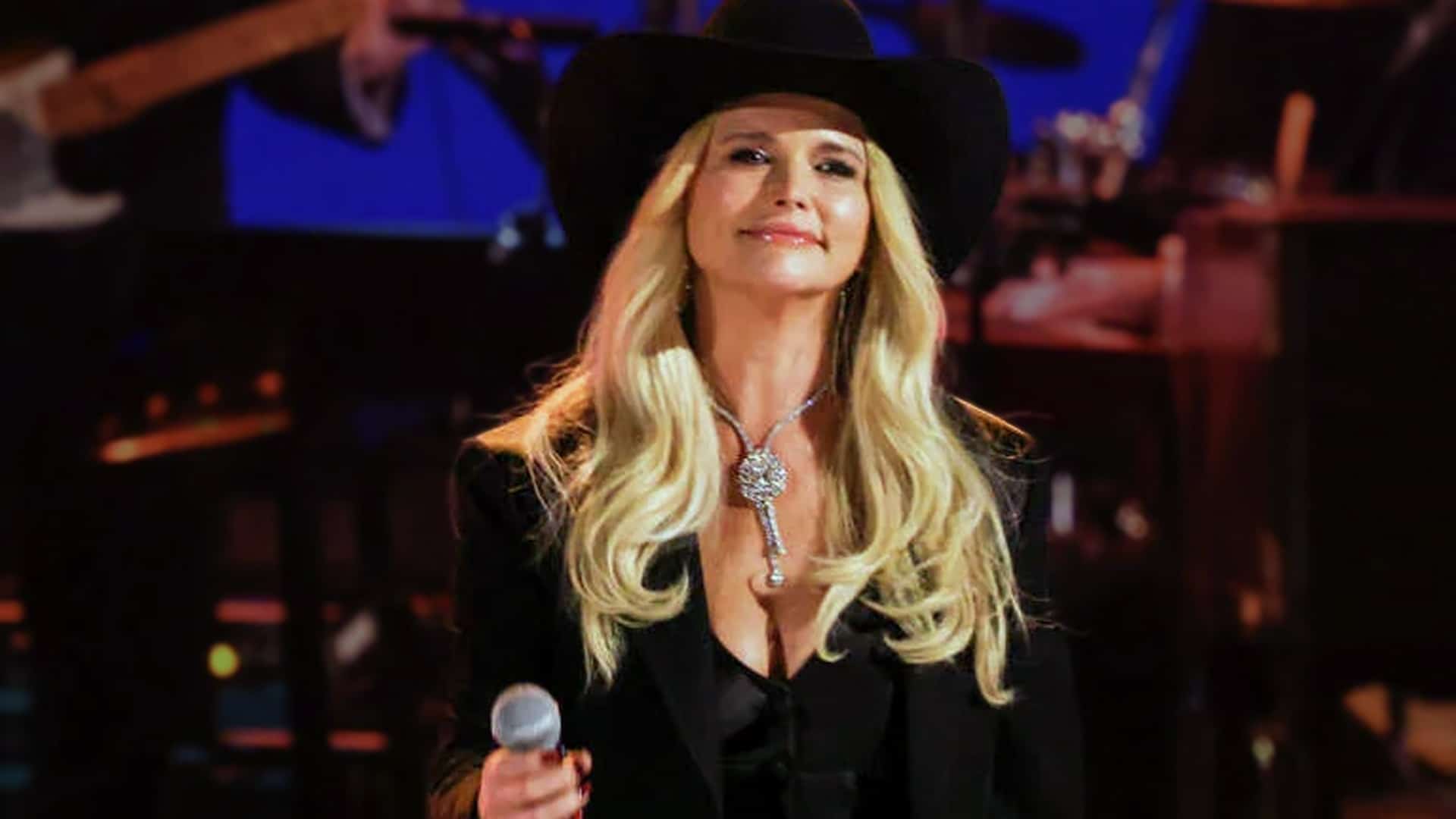
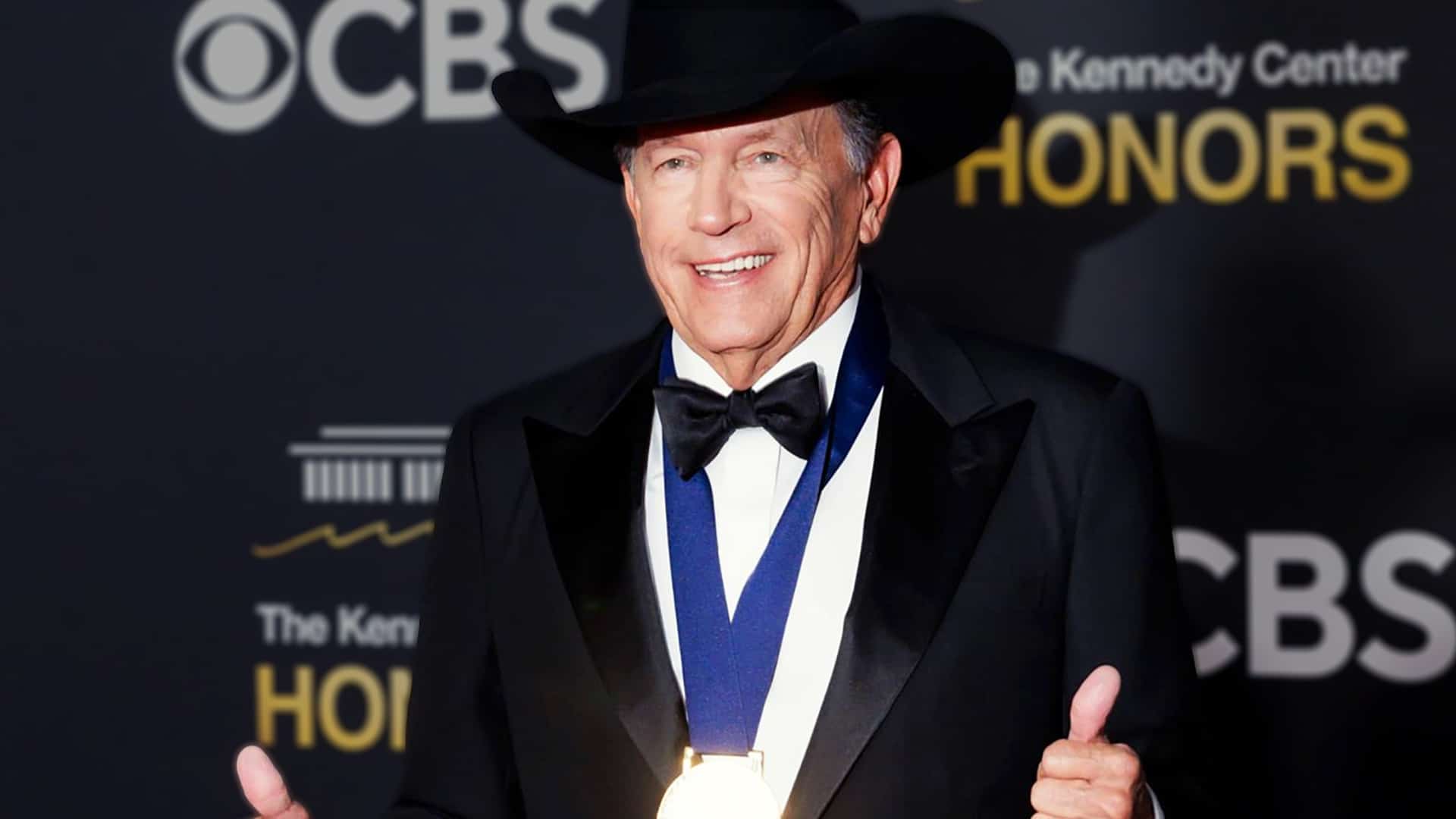
The 48th Annual Kennedy Center Honors, held on December 7, 2025, at the Kennedy Center Opera House in Washington, D.C., and broadcast on CBS on December 23, celebrated five extraordinary figures in the performing arts: country legend George Strait, rock band KISS, actor Sylvester Stallone, Broadway star Michael Crawford, and disco icon Gloria Gaynor. Among the evening’s many highlights, the tribute to Strait—the undisputed King of Country—stood out for its heartfelt authenticity, culminating in Miranda Lambert’s captivating performance of his 2001 hit “Run.”
“Run,” written by Anthony Smith and Tony Lane, was the lead single from Strait’s album The Road Less Traveled. A poignant ballad about longing, separation, and the urge to bridge emotional distances, it peaked at No. 2 on the charts and became one of Strait’s enduring favorites. Lambert, a fellow Texan who has long cited Strait as a profound influence, brought a deeply personal touch to her rendition. She had previously performed the song live with Strait himself during his 2014 Cowboy Rides Away Tour, making this tribute a full-circle moment of admiration and shared history.

Lambert took the stage alone at first, under soft lighting with a simple backdrop evoking rolling Texas hills. Dressed elegantly yet understated, she began with minimal accompaniment—a gentle acoustic guitar and subtle strings—allowing her powerful yet nuanced voice to carry the weight. As she sang lines like “If you wake up and I’m not there / I won’t be hard to find,” the vulnerability in her delivery was palpable. She didn’t belt for effect; instead, she leaned into restraint, letting pauses and inflections convey the song’s aching yearning. Her interpretation added layers of raw emotion, transforming the familiar track into a fresh confession of love and loss.
The audience, filled with dignitaries, celebrities, and fellow artists, fell into a rare hush. Cameras panned to Strait in the balcony, seated with his wife Norma, watching intently. Known for his reserved demeanor, the honoree displayed visible emotion—subtle nods turning to misty eyes as Lambert poured her soul into the chorus. By the final notes, the room erupted in one of the night’s loudest ovations, a standing wave of appreciation that seemed to thank her not just for the song, but for capturing Strait’s essence so purely.
Lambert’s performance closed a moving three-song medley for Strait. It opened with Brooks & Dunn’s faithful take on “Amarillo By Morning,” Strait’s iconic rodeo lament that drew tears from the honoree early on. Vince Gill followed with “Troubadour,” delivering a speech beforehand praising Strait’s authenticity: “What you see is what you get—a cowboy’s cowboy.” Gill’s tender rendition added introspection, setting an emotional tone. But Lambert’s “Run” elevated the tribute to transcendent heights, blending power with delicacy in a way that felt profoundly respectful.
This segment exemplified the Kennedy Center Honors’ magic: peers celebrating a lifetime of contributions through art that mirrors the honoree’s impact. Strait, with over 60 No. 1 hits, countless awards, and a career reviving traditional country sounds, has influenced generations—including Lambert, who grew up idolizing his straightforward storytelling. Her choice to honor him with vulnerability mirrored Strait’s own style: no frills, just truth.
In a night blending rock energy for KISS, theatrical flair for Crawford, and more, the country tribute grounded the evening in human connection. Social media buzzed with praise for Lambert’s “flawless” and “emotional” delivery, with fans calling it the highlight and a masterclass in restraint amid modern excess. Her performance wasn’t about stealing the spotlight; it was about shining it back on Strait’s legacy.
As the broadcast reached millions, Lambert’s “Run” served as a reminder: great country music doesn’t need spectacle—it needs heart. In letting the song breathe, she honored not just a legend, but the enduring power of stories told simply and sincerely. For George Strait and audiences alike, it was a moment of pure, unfiltered reverence.