After years of selective, high-impact appearances that reminded everyone why she remains one of Hollywood’s most magnetic stars, Michelle Pfeiffer has returned to television in a way no one saw coming — and she didn’t arrive alone. In the highly anticipated limited series Margo’s Got Money Troubles, Pfeiffer joins forces with Nicole Kidman in a bold, emotionally charged collaboration that is already generating buzz as one of the most compelling prestige dramas of 2026. Created by television maestro David E. Kelley and based on Rufi Thorpe’s bestselling novel, the eight-episode series premieres on Apple TV+ on April 15, 2026, with the first three episodes dropping at launch and new installments arriving weekly.
Pfeiffer doesn’t simply appear in Margo’s Got Money Troubles — she commands it. Playing Shyanne Millet, the sharp-tongued, resilient mother of the central character Margo (portrayed by Elle Fanning), Pfeiffer brings a layered, lived-in performance that blends quiet strength with biting humor and underlying vulnerability. Shyanne is a former Hooters waitress now working at Bloomingdale’s, navigating her own complicated romance with a religious boyfriend while trying to guide her daughter through an overwhelming crisis. At 67, Pfeiffer delivers one of her most restrained yet lethally effective turns in years — every glance, every carefully measured line feels loaded with history, judgment, and hard-earned wisdom. There is a dangerous undercurrent to her presence: a mother who has survived disappointment and scarcity, and who refuses to let her daughter repeat the same mistakes.
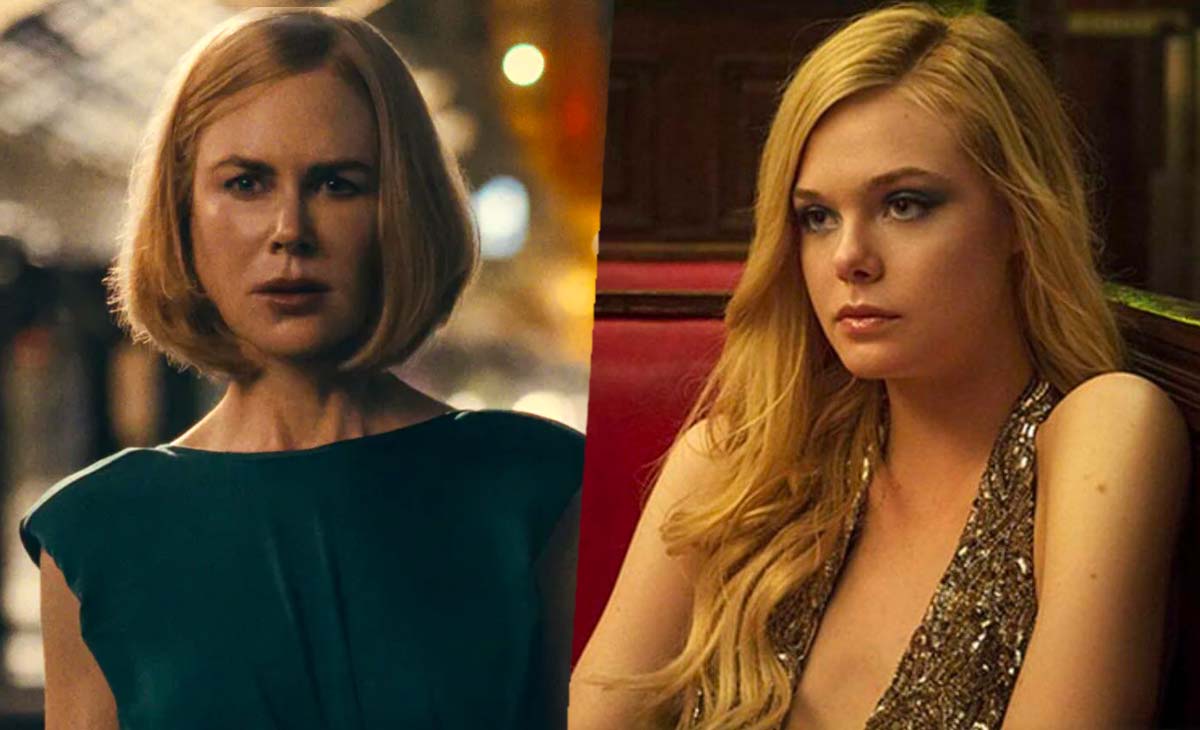
Opposite her, Nicole Kidman steps into the role of Linda, a well-adjusted, middle-class lawyer who becomes entangled in Margo’s chaotic situation. Kidman brings her signature icy intensity and emotional precision, turning every shared scene with Pfeiffer into a subtle psychological duel. Their dynamic crackles with tension — two strong-willed women from different worlds colliding over family, money, morality, and the messy business of survival. Viewers who have seen early footage describe their pairing as “devastating” and “electrifying,” a screen relationship that feels rare in its complexity and raw power. It’s not loud confrontation but quiet, cutting exchanges that reveal deep truths about class, ambition, judgment, and maternal instinct. Many are already calling it one of the most compelling female pairings in prestige television in decades — cold when it needs to be, dangerous in its honesty, and emotionally ruthless in how it exposes the characters’ flaws and strengths.
At the heart of the story is Margo (Fanning), a recent college dropout and aspiring writer who finds herself drowning in debt after having a baby. When traditional paths to financial stability prove impossible, Margo makes a bold, controversial decision: she starts an OnlyFans account, guided by unexpected advice from her estranged father (Nick Offerman), a former pro wrestler. What follows is a messy, heartwarming, and often hilarious exploration of modern motherhood, economic desperation, family dysfunction, and the blurred lines between empowerment and exploitation. The series doesn’t shy away from uncomfortable questions about sex work, privacy, shame, and the price of survival in today’s gig economy.
David E. Kelley, the creative force behind landmark series like Big Little Lies, The Undoing, and Nine Perfect Strangers, brings his signature blend of sharp dialogue, moral ambiguity, and emotional depth to Margo’s Got Money Troubles. This marks his fourth collaboration with Kidman, and the chemistry between the cast feels electric from the earliest scenes. The supporting ensemble is equally impressive, featuring Greg Kinnear, Thaddea Graham, and guest appearances that add further layers of complication and humor to Margo’s increasingly chaotic life.
What makes the series so compelling is its refusal to offer easy judgments. Margo’s choice is presented with nuance — neither glorified nor condemned outright. Instead, the show examines the real pressures facing young mothers today: crushing student debt, unstable housing, the gig economy’s false promises, and a society that often demands perfection while providing little support. Pfeiffer’s Shyanne serves as both a cautionary figure and a source of tough love, her own history of scraping by informing every piece of advice (or criticism) she offers her daughter. Kidman’s Linda, meanwhile, represents a more privileged perspective that clashes with the raw realities Margo faces, creating rich dramatic friction.
The tone strikes a delicate balance between comedy and drama. There are laugh-out-loud moments rooted in the absurdity of Margo’s situation, yet the series never loses sight of the genuine stakes — the fear of losing custody, the emotional toll of public scrutiny, and the quiet desperation of trying to provide for a child when the system seems stacked against you. Early reactions suggest the show will spark important conversations about class, feminism, motherhood, and the evolving nature of work in the digital age.
For Pfeiffer, this role represents a triumphant return to television after years of carefully chosen film projects. Her performance as Shyanne is being hailed as one of her most memorable in recent memory — restrained yet powerful, funny yet deeply affecting. At an age when many actresses struggle to find substantial roles, Pfeiffer continues to prove she can anchor complex, multi-dimensional characters with effortless authority. Her chemistry with both Fanning and Kidman elevates every scene they share, turning what could have been a straightforward family story into something far more layered and unpredictable.
Kidman, no stranger to prestige television, once again demonstrates why she remains one of the most formidable actresses of her generation. Her portrayal of Linda adds nuance and humanity to a character who could easily have become a one-note antagonist. Instead, she brings compassion and complexity, forcing viewers to question their own assumptions about privilege and judgment.
As the April 15 premiere approaches, anticipation continues to build. The trailer has already generated significant excitement, teasing the messy, heartfelt journey ahead. With its star-studded cast, sharp writing, and timely themes, Margo’s Got Money Troubles has all the ingredients to become one of 2026’s most talked-about limited series. It promises to be funny, uncomfortable, moving, and thought-provoking — a prestige drama that doesn’t shy away from the messiness of real life.
Michelle Pfeiffer didn’t just come back to television. She teamed up with Nicole Kidman to deliver a power play that feels both cold and deeply human, dangerous in its honesty, and emotionally ruthless in the best possible way. Their on-screen pairing is already being celebrated as something special — a collision of two legendary talents that promises to leave viewers shaken and satisfied in equal measure.
For anyone craving intelligent, character-driven storytelling with a fresh perspective on modern family struggles, Margo’s Got Money Troubles looks set to deliver in spades. Clear your calendar starting April 15. This is prestige television at its most compelling — and it’s about to make a very loud entrance.
News

“MY MOTHER DESERVES RECOGNITION — AND I’M DONE KEEPING QUIET!” Meghan Markle Reportedly Pushes for Royal Title for Doria Ragland, Creating Tension Inside the Palace
In a move that has reportedly sent ripples of surprise through the royal institution, Meghan Markle is said to have privately proposed that her mother, Doria Ragland, be granted a…

QUIET ROYAL HONOUR — Prince William & Catherine, Princess of Wales Reward Their Most Trusted Nanny in Emotional Moment
In one of the most touching yet understated gestures within the modern royal family, Prince William and Catherine, Princess of Wales have quietly honoured the woman who has been a…

“SUSSEXES BROKE — ‘HE NEEDS $10 MILLION NOW!’ Harry & Meghan DESPERATE FOR CASH”
Mounting financial pressure is reportedly closing in on Prince Harry and Meghan Markle as expensive projects stall, high-profile deals unravel, and their lavish Montecito lifestyle continues to drain millions behind…

“I MISS MY BROTHER.” — Fans Lose It As Florida Georgia Line Shock the Room With Emotional Onstage Reunion and Spark Wild Comeback Rumors
The atmosphere at the 2026 iHeartRadio Music Awards shifted in an instant. When Brian Kelley and Tyler Hubbard — the duo behind Florida Georgia Line — unexpectedly walked onto the…

BEHIND THE SCENES: American Idol Contestant Braden Rumfelt Reveals the True Personalities of the Judges When the Cameras Stop Rolling
As American Idol 2026 gears up for its first live shows on March 30, the Top 20 contestants are stepping into the spotlight with songs that truly speak to their…

Miranda Lambert’s Surprise Duet with Ella Langley: The Unexpected Moment That Redefined Country Music’s Future
The 2026 iHeartRadio Music Awards delivered plenty of memorable moments, but none quite captured the electricity and generational shift in country music like the surprise duet between established superstar Miranda…
End of content
No more pages to load