Meghan Markle is reportedly preparing to significantly increase the public visibility of her children, Prince Archie and Princess Lilibet, in a strategic move that critics claim is designed to soften her image and deflect mounting criticism, particularly ahead of any potential return to the United Kingdom. The shift comes amid persistently low popularity ratings in Britain, ongoing tensions with the royal family, and a perceived hostile media environment that has followed the Sussexes since their 2020 departure from royal duties.
Royal commentator Richard Fitzwilliams has been among the most vocal observers suggesting this approach. Speaking on GB News in early 2026, he argued that Meghan could “shield some of her unpopularity” by bringing Archie and Lilibet along on any UK visit. He pointed out that her poll numbers in the UK remain “terrible,” and the ongoing rift with the royal family would likely trigger aggressive press coverage. In his view, the presence of the two young children—now six-year-old Archie and four-year-old Lilibet—would act as a powerful buffer, making it more difficult for critics to launch personal attacks without appearing to target innocent youngsters.
The theory gained traction after Meghan and Prince Harry began sharing more frequent glimpses of Archie and Lilibet on social media and in public-facing initiatives throughout late 2025 and early 2026. What was once a strict policy of privacy—rarely showing the children’s faces and limiting appearances—evolved into curated posts featuring family moments, holiday photos, and involvement in Archewell Foundation activities. A Christmas 2025 video from the couple included brief appearances by the children, while a New Year’s Day 2026 Instagram post from Meghan featured a throwback image with Harry alongside a recent clip filmed by Lilibet. These moments, though carefully framed, marked a noticeable departure from earlier years when the couple emphasized shielding their kids from the spotlight.
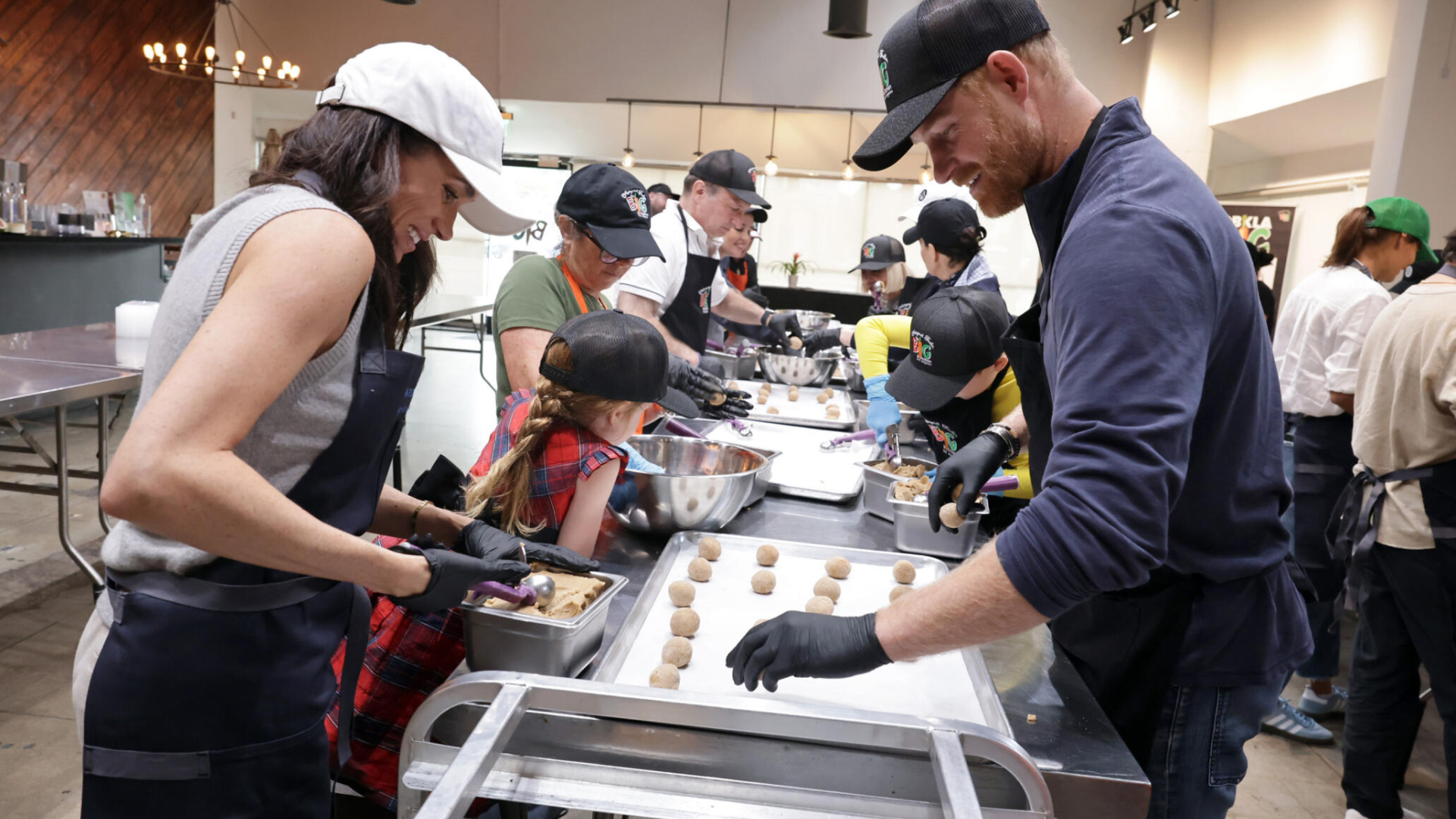
Critics quickly labeled the change as calculated. Some accused Meghan of hypocrisy, pointing out that she and Harry had previously spoken passionately about protecting their children’s privacy from media intrusion and royal scrutiny. Harry has described the British press as toxic and dangerous, and Meghan has spoken of the “bullying and abuse” she endured online during her pregnancies. Yet in recent months, the couple’s public output has included more images and videos of Archie and Lilibet—sometimes in philanthropic settings, sometimes in casual family snaps—leading detractors to argue the children are now being positioned as “human shields” to blunt negative headlines.
The backlash intensified when royal experts and tabloid commentators suggested any UK return—potentially tied to Prince Harry’s ongoing security legal battle—would be choreographed with the children front and center. If Harry’s bid for taxpayer-funded protection succeeds, a family trip could follow, and the presence of Archie and Lilibet would reportedly “soften” the reception. Fitzwilliams and others believe the optics of a loving mother and father with their young children would make hostile coverage feel disproportionate or mean-spirited, thereby reducing the intensity of criticism directed at Meghan.
Social media erupted over the perceived strategy. Supporters defended Meghan, arguing that any parent would want their children to experience their heritage and that occasional public glimpses do not equate to exploitation. They pointed out that the couple has been selective, sharing only positive, controlled moments, often in service of charitable causes or family milestones. Critics, however, were scathing. Online forums and comment sections accused the Sussexes of “weaponizing” the children, using them as props to manipulate public perception and deflect scrutiny over past controversies, including their Netflix documentary, Spare, and various media interviews.
The debate has reignited broader discussions about celebrity parenting, royal privacy, and the ethics of involving minors in public narratives. Some commentators drew parallels to other high-profile families who have faced similar accusations when children appear in carefully staged moments. Others noted that Meghan and Harry have consistently maintained they want Archie and Lilibet to have normal childhoods while acknowledging the reality of their public status. The couple’s representatives have not commented directly on the “shield” claims, but previous statements emphasize that any appearances are deliberate, age-appropriate, and family-approved.
As 2026 progresses, the Sussexes’ public output continues to include more family content. Meghan’s solo red-carpet appearance at the 2026 Fifteen Percent Pledge Gala in February drew praise for her style, but it was the increasing visibility of Archie and Lilibet—whether in holiday videos, foundation events, or subtle social media posts—that kept the conversation alive. Supporters see it as a natural evolution: the children are growing older, and the couple is allowing controlled glimpses to humanize their story. Critics see strategy: a calculated effort to counter negative narratives by wrapping Meghan in the protective aura of motherhood.
The controversy shows no sign of fading. With Prince Harry’s security case still unresolved and potential UK visits on the horizon, every future photo or video of Archie and Lilibet will be scrutinized for motive. For Meghan Markle, the line between sharing family joy and shielding from criticism has become razor-thin—and the public remains sharply divided over which side she is standing on.