Meghan Markle Faces Brutal Backlash: The ‘Fake Royal’ Australia Tour That Sparked Global Mockery
In April 2026, Prince Harry and Meghan Markle embarked on a high-profile visit to Australia that many hoped would showcase their continued global influence and commitment to service. Instead, the trip has become one of the most heavily criticized chapters in their post-royal lives, drawing accusations of staging a “faux royal tour” while no longer representing the British monarchy. What was intended as a blend of charitable engagements and professional opportunities quickly descended into a storm of satire, nicknames, and pointed criticism from media outlets, royal watchers, and the Australian public. The couple now finds itself facing some of the harshest mockery yet, highlighting ongoing questions about their identity, relevance, and approach to public life.
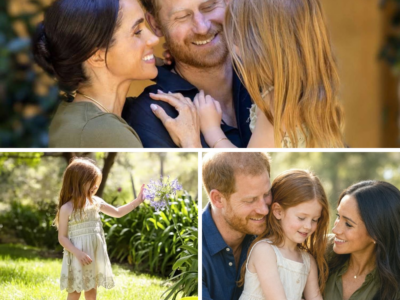
The four-day itinerary took the Sussexes to Melbourne, Canberra, and Sydney. It featured hospital visits, meetings with community groups, and appearances that closely mirrored the style of official royal tours. Photos of the couple sailing in Sydney Harbour, greeting crowds, and engaging with children evoked strong memories of their successful 2018 royal visit to the country. However, this time there was no official invitation from the Australian government or the Palace. Critics quickly labeled it a self-orchestrated effort to maintain royal-like prestige while pursuing private interests.
A Tour Marred by Controversy from the Start
Almost immediately upon arrival, the trip faced scrutiny over its purpose and funding. Reports highlighted significant security costs reportedly covered by Australian taxpayers for what many viewed as a private venture. The couple’s schedule mixed genuine philanthropic stops—such as visits to children’s hospitals and support for women’s causes—with paid speaking engagements, including a high-ticket summit. This combination fueled accusations that they were “trading on royal titles” for personal gain.
Media coverage was particularly scathing. Australian newspapers described the visit as a “faux royal tour to shore up Brand Sussex,” suggesting it was more about rebuilding their public image and commercial opportunities than selfless service. Social media erupted with memes and commentary, with some users comparing the trip to celebrity influencer tours rather than dignified royal diplomacy. One prominent columnist even likened Meghan’s demeanor and public persona during the visit to the flamboyant, satirical character Dame Edna Everage, a comparison that spread rapidly and amplified the mockery.
The backlash intensified when details emerged about Meghan linking outfits worn during charitable visits to shopping opportunities. Critics viewed this as tone-deaf, especially during stops involving vulnerable communities. Footage and images of the couple’s interactions sparked debates about body language and authenticity, with some commentators questioning whether the public engagements felt performative rather than heartfelt.
![The Best Photos from Meghan Markle and Prince Harry's Australia Visit [PHOTOS]](https://people.com/thmb/lMIwhTAUrOtROh4wMfv_lyy-HYc=/4000x0/filters:no_upscale():max_bytes(150000):strip_icc():focal(749x0:751x2)/prince-harry-meghan-markle-australia-hospital-visit-11-041326-d3d1c6e4b42f4f9bb81e3f3785447669.jpg)
Prince Harry also faced renewed attention for comments made during the trip that referenced his royal upbringing and family dynamics. These remarks reignited old tensions and shifted focus away from the positive aspects of the visit, further framing the tour as an extension of their ongoing narrative of grievance rather than forward-looking work.
The Identity Crisis on Full Display
At the heart of the criticism lies a deeper conversation about Harry and Meghan’s post-royal identity. After stepping back from senior royal duties in 2020, the couple has sought to carve out a new path through their Archewell Foundation, media projects, and public appearances. However, the Australia trip appeared to straddle two worlds—leveraging the global recognition that comes with their titles while operating as private citizens. This “half-in, half-out” approach, which has long been a point of contention with the Palace, was thrown into sharp relief Down Under.
Royal experts and insiders have expressed frustration, noting that such tours appear to disregard the late Queen Elizabeth II’s clear stance against using royal status for commercial benefit. One commentator described the couple as “royals for sale,” while others dubbed them the “Duke and Duchess of the Dollar.” Additional brutal nicknames circulating in the wake of the tour include references to it as “Meghan’s business trip” and the “Great Sussex Misery Tour,” underscoring perceptions that the visit prioritized personal branding over substance.
The visual similarities to their 2018 royal tour only heightened the contrast. In 2018, they were welcomed as fresh faces of the monarchy, drawing massive crowds and widespread adoration. This time, turnout was reportedly more modest in places, and public enthusiasm was tempered by skepticism. Photos of the couple recreating moments from their earlier visit—such as harbor outings—were seen by detractors as deliberate attempts to cosplay royal status, contributing to the sense of inauthenticity.
Public and Media Reaction: From Satire to Serious Critique
The mockery has been relentless across platforms. Satirical segments, social media threads, and opinion pieces have dissected nearly every element of the trip, from wardrobe choices to security convoys. Some Australian voices expressed irritation at the perceived presumption of royal treatment without official backing, raising questions about protocol and public resources.
Supporters of the couple, however, argue that the criticism is unfair and rooted in bias. They point to the meaningful engagements, such as hospital visits where Meghan and Harry spent time with patients and families, as evidence of genuine commitment. Meghan herself later addressed aspects of the tour in interviews, emphasizing the personal styling of her outfits and the importance of the causes they highlighted. Yet these defenses have done little to quell the tide of negative commentary.
The trip also spotlighted broader challenges for Harry and Meghan. Their departure from royal life was framed as a desire for independence and privacy, yet their continued high-profile activities keep them firmly in the public eye. This paradox—wanting freedom from institutional constraints while relying on the platform those constraints provided—lies at the core of much of the ongoing debate.
Lessons and the Road Ahead
The Australia tour has undoubtedly been a difficult chapter, amplifying existing narratives about the Sussexes while introducing new layers of satire. For a couple that has faced intense scrutiny since their wedding, this level of mockery feels particularly pointed. It raises questions about how they can evolve their public roles in a way that feels authentic and sustainable.
Harry and Meghan have built a life centered on advocacy for mental health, veterans, and community support through Archewell. Their ability to attract attention to these causes remains a strength, but the execution during the Australia visit highlighted risks when blending philanthropy with personal branding. Moving forward, greater transparency about the nature of their engagements—clearly positioning them as private initiatives—could help mitigate perceptions of exploiting past royal connections.
The incident also reflects shifting dynamics in how the public views celebrity and royalty in the digital age. In an era of influencers and personal brands, the couple’s approach can appear calculated to some observers. Yet their global platform still allows them to draw attention to important issues that might otherwise receive less coverage.
Despite the backlash, the Sussexes have shown resilience in the past. Their ability to pivot, learn from missteps, and refocus on substantive work will be key. The Australia tour, while painful in its reception, offers an opportunity for reflection on how best to align their actions with their stated values of service and independence.
A Defining Moment in Their Post-Royal Journey
The brutal mockery following Meghan Markle and Prince Harry’s Australia visit underscores the complexities of their unique position. No longer senior working royals but forever associated with the institution, they navigate a narrow path where every public move is analyzed and often criticized. The “fake royal” label has stung deeply, but it also forces a conversation about authenticity in public life.
As the dust settles on this latest chapter, the couple’s next steps will be closely watched. Whether they lean further into independent advocacy or adjust their approach to high-profile travel remains to be seen. What is clear is that the global fascination with Harry and Meghan shows no signs of fading. Their every action—charitable or commercial—continues to spark debate, revealing as much about societal attitudes toward fame, royalty, and reinvention as it does about the individuals themselves.
In the end, the Australia tour may be remembered less for its specific achievements and more as a flashpoint that exposed the challenges of transitioning from royal duty to private purpose. For Meghan Markle in particular, the intense scrutiny and satire represent a new level of public challenge. Navigating this with grace and strategic focus could define the next phase of their story—one that moves beyond the shadows of past comparisons and toward a more clearly defined legacy of their own making.