After days of intense speculation and heated debate across the figure skating world, Madison Chock and Evan Bates, the American ice dance duo who narrowly missed Olympic gold at the 2026 Milano Cortina Winter Olympics, have finally addressed the controversy surrounding their silver-medal finish. In a composed, heartfelt video statement released amid swirling rumors of judging bias, the married pair chose restraint over confrontation, opting for measured words that emphasized pride in their performance rather than outrage over the results.
The ice dance event had unfolded as one of the most anticipated showdowns of the Games. Chock and Bates, three-time world champions and dominant forces in the discipline for years, entered as heavy favorites. They had already contributed to Team USA’s success in the figure skating team event and delivered a world-best rhythm dance score of 89.72 points earlier in the week, trailing France’s Laurence Fournier Beaudry and Guillaume Cizeron by just 0.46 points heading into the free dance. Their “Paint It Black” program—intense, dramatic, and flawlessly executed—earned them 134.67 points in the free dance, pushing their total to 224.39. Many in the arena and watching worldwide believed they had done enough to claim gold.
Then came the French pair’s turn. Fournier Beaudry and Cizeron, in only their second season together after a whirlwind partnership formed following personal and professional upheavals, skated to the soundtrack from “The Whale.” While their performance was artistic and emotional, it included noticeable errors—a stumble on a twizzle sequence and slight timing issues that some observers felt marred the overall execution. Yet their free dance score of 135.64 edged them ahead, securing a combined total of 225.82 and the gold medal by a razor-thin 1.43 points overall. The result stunned fans, analysts, and even some fellow competitors.
The backlash focused almost immediately on the judging panel. Of the nine judges, five placed Chock and Bates first in the free dance, with advantages ranging up to about four points. However, the scores from a French judge, Jézabel Dabouis, stood out starkly: she awarded the French duo 137.45 points while giving Chock and Bates only 129.74—the lowest mark from any judge and a gap of nearly eight points. This differential was the largest on the panel and fueled immediate accusations of national bias. If Dabouis’s scores were removed, recalculations showed Chock and Bates would have won comfortably. The International Skating Union (ISU) defended the results, stating that score variations are normal and mitigated by protocols, but the optics sparked widespread frustration. Fans questioned transparency in a subjective sport where component scores—judging artistry, interpretation, and presentation—can swing outcomes dramatically.
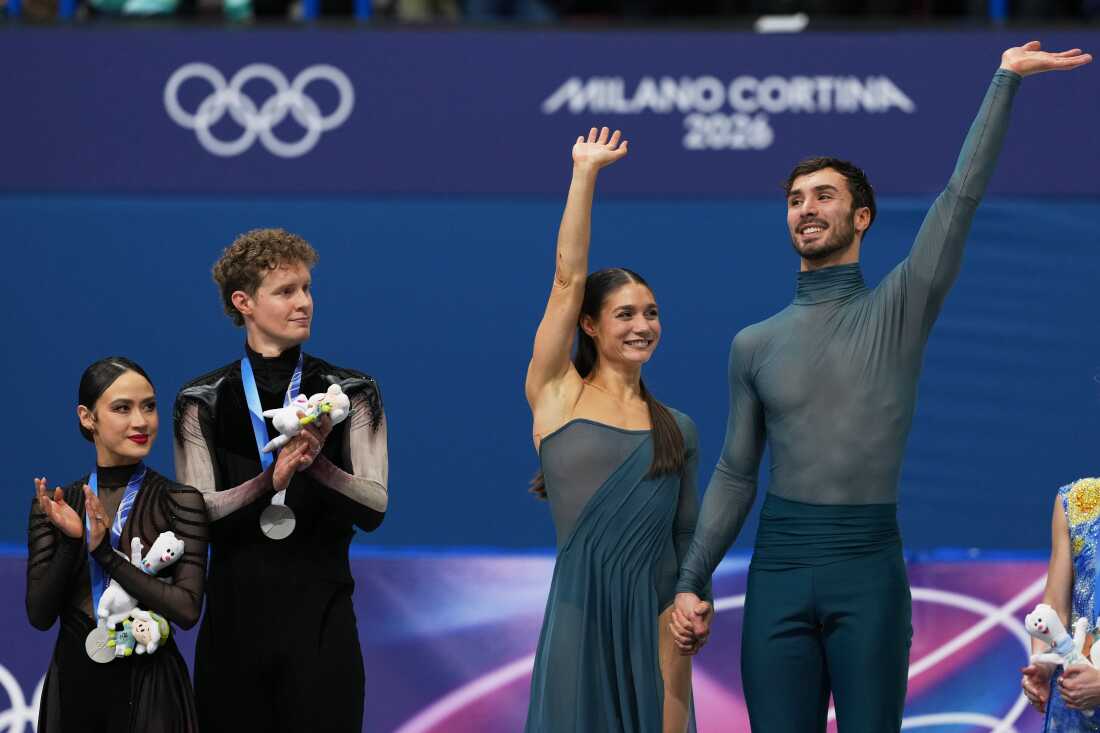
Amid calls for an appeal from supporters and some media voices, U.S. Figure Skating had a 24-hour window to file an inquiry. They chose not to. The organization cited thoughtful discussions and a desire to focus on supporting athletes rather than prolonging controversy. Chock and Bates, respecting that decision, confirmed in their video they would not pursue any formal challenge.
In the statement, filmed in a quiet setting—perhaps their training base or hotel in Milan—the couple appeared calm and reflective. Evan Bates spoke first, describing their free dance as entering a “flow state,” the kind of transcendent performance every athlete dreams of at the Olympics. “We left no stone unturned,” he said. “We wouldn’t change a single thing about how we approached the week or what we delivered on the ice.” Madison Chock nodded in agreement, her voice steady but emotional at times. She paused noticeably when asked directly about fairness in the judging—a brief silence that online viewers dissected frame by frame, speculating it revealed unspoken frustration or careful restraint. When she spoke, she chose her words deliberately: “We trust the process we’ve been part of for so long. We know what we put out there, and we’re proud of it. Skating is subjective, but any time the public is confused by results, it does a disservice to our sport.”
The duo emphasized gratitude over grievance. They highlighted the grueling schedule—four high-stakes performances in six days, including the team event—and the mental fortitude required to stay focused. Chock added a subtle call for improvement: “It would be helpful if judging were more transparent and understandable for everyone—skaters, coaches, fans. Judges should be vetted and reviewed consistently to ensure a fair playing field.” Yet there were no direct accusations, no naming of individuals or panels. Instead, they pivoted to pride in their legacy: multiple world titles, Olympic team golds, and a partnership spanning over 15 years that has evolved from partners to spouses.
The French victors, meanwhile, celebrated their historic achievement. Guillaume Cizeron became the first ice dancer to win Olympic gold with two different partners—previously with Gabriella Papadakis in 2022—while Fournier Beaudry marked a remarkable comeback after her previous partnership ended amid serious allegations against her former teammate. Their win was hailed in France as a triumph of resilience and artistry.
For Chock and Bates, the silver felt bittersweet. They had skated what many, including themselves, considered their career-best Olympic performance. The emotional weight showed in earlier backstage footage where tears flowed—not from anger, but from the intensity of giving everything and coming so close. In their silence-breaking video, that same composure shone through: acceptance of the outcome, defense of their excellence, and a quiet push for the sport to evolve.
The controversy has reignited broader debates in figure skating about judging subjectivity, national influences, and the need for clearer accountability. While the ISU maintains confidence in the system, the narrow margin and stark score disparities have left lingering questions. For Chock and Bates, however, the focus remains forward-looking. They expressed no regrets, only fulfillment in having delivered their absolute best on the world’s biggest stage.
In a sport where tenths of a point can define legacies, their measured response stands out. Rather than fueling division, they invited reflection—on performance, on pride, and on the imperfect but passionate pursuit of perfection that defines elite figure skating.