Lies Exposed: Meghan Markle’s Lifestyle Brand Faces Turmoil Amid Customer Complaints and Refund Demands
Meghan Markle’s much-anticipated foray into the lifestyle brand world has hit significant turbulence. What began as a promising venture blending her love for cooking, entertaining, and California living has unraveled into a storm of customer dissatisfaction, logistical missteps, and public scrutiny. The brand, initially launched as American Riviera Orchard and later rebranded to As Ever, is now confronting a wave of refund requests and criticism that some are calling a major setback for the Duchess of Sussex’s post-royal business ambitions. Customers and observers alike are questioning whether the premium positioning matches the reality of mass-produced goods and operational challenges.
The brand made its debut with great fanfare, promising high-quality jams, teas, honey, candles, and other lifestyle essentials inspired by Meghan’s personal touch. Early marketing emphasized artisanal craftsmanship, sustainability, and the effortless elegance associated with Montecito living. However, as products reached consumers, cracks began to appear in the carefully curated image. Reports of delayed shipments, unmet expectations, and quality concerns have fueled a growing chorus of disappointment, turning what was meant to be a triumphant launch into a cautionary tale about celebrity-driven consumer brands.
The Launch and Initial Hype
Meghan first teased the brand in 2024 with striking visuals of homemade jams and elegant packaging. The name American Riviera Orchard evoked the scenic beauty of Santa Barbara, positioning the products as an extension of her personal lifestyle. When it officially rolled out under the Netflix partnership, excitement was high. Limited-edition items like honey and fruit spreads sold out quickly, creating an aura of exclusivity. Meghan presented the brand as a passion project rooted in joy, connection, and elevating everyday moments.
Yet the rapid sell-outs soon revealed underlying issues. Customers who placed orders during the initial rush faced long delays or cancellations. The brand responded with apologies and refund offers, sometimes sweetened with promises of free future products. While such growing pains are common in direct-to-consumer launches, the scale of complaints suggested deeper problems with supply chain management and inventory forecasting. Critics pointed out that the operation appeared to rely on mass production rather than the small-batch, artisanal process heavily implied in the branding.
The rebrand to As Ever in early 2025 was intended to broaden appeal beyond the geographic limitation of the original name. Meghan explained it allowed for greater creativity and expansion. However, the name change coincided with other hurdles, including the eventual end of the Netflix partnership in March 2026. The streaming giant stepped back, stating it had always been the plan for the brand to stand independently. This transition left the venture more exposed to market realities without the backing of a major media powerhouse.
Customer Frustrations Mount
Angry customers have taken to social media and review platforms to voice their dissatisfaction. Common complaints include products arriving damaged, lacking the promised quality, or simply not living up to the hype. One notable incident involved a podcaster who publicly demanded a refund after a candle failed to perform as expected, describing it as unusable. Such stories have gone viral, amplifying perceptions that the brand prioritizes aesthetics over substance.
Refunds have become a recurring theme. In several instances, the company proactively reached out to affected buyers with full refunds and compensatory gestures. While this demonstrates some level of accountability, it also highlights repeated inventory shortfalls. High demand for flagship items led to overselling, forcing the brand into damage-control mode. Detractors argue this reflects poor planning rather than overwhelming success, especially when contrasted with the initial “sold-out” narrative.
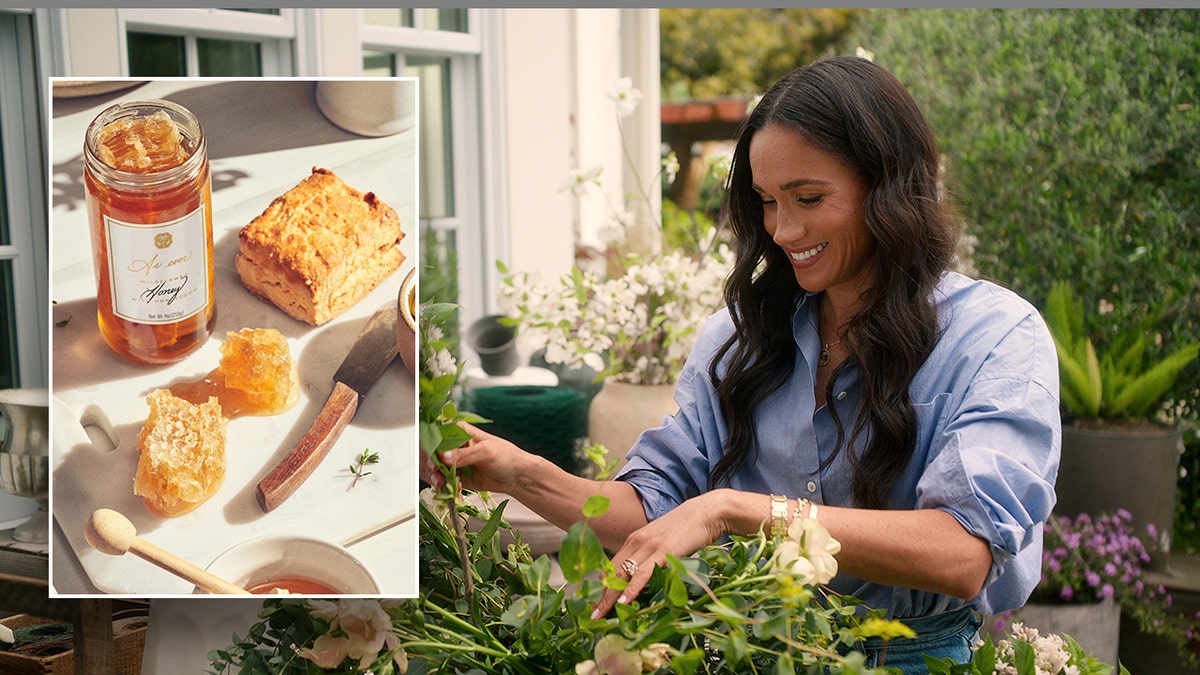
Further scrutiny has centered on the “mass-produced” nature of the items. Despite marketing that suggested handcrafted, farm-to-table origins, many products appear to come from larger manufacturing partners. This disconnect between expectation and reality has led to accusations of misleading consumers. For a brand built on Meghan’s personal story and attention to detail, these revelations have damaged trust. Some buyers report feeling that the premium pricing does not align with the everyday quality received.
Broader Challenges for Celebrity Lifestyle Brands
Meghan’s experience mirrors the difficulties many high-profile figures face when entering the competitive lifestyle market. Comparisons to Gwyneth Paltrow’s Goop are inevitable, yet experts note that sustained success requires more than celebrity name recognition. Clear product differentiation, consistent quality, and robust operations are essential. As Ever has struggled in these areas, with website glitches revealing high inventory levels on certain items—fueling speculation about slower-than-expected sales despite optimistic public statements.
The end of the Netflix collaboration added another layer of uncertainty. While described as amicable and part of the original plan, it occurred amid reports of the brand needing fresh direction. Without the streaming tie-in and associated content like the planned lifestyle series, As Ever must now compete purely on its own merits. Marketing experts have warned that without significant changes—such as stronger delegation, clearer purpose, and improved PR—the brand risks fading by the end of 2026.
Public perception plays a significant role. Meghan’s high visibility means every business move attracts intense analysis. Supporters praise her entrepreneurial spirit and efforts to create something meaningful after stepping back from royal duties. They highlight the brand’s focus on joy and community as positive contributions. Critics, however, view it as another example of leveraging royal-adjacent fame for commercial gain, especially given ongoing debates about the couple’s post-royal branding strategy.
Operational and Strategic Missteps
Behind the scenes, challenges appear multifaceted. Supply chain issues plagued early fulfillment, leading to the apology emails and refund waves. Product development has been relatively slow, with announcements of pauses in new releases until later in the year. This has created a perception of stagnation rather than momentum. Additionally, trademark hurdles and naming controversies from the early days carried over, complicating the brand’s establishment.
The personal element—tying products so closely to Meghan’s image—has proven double-edged. While it generates initial interest, it also makes the brand vulnerable to broader narratives about the Sussexes. Every negative review or operational hiccup becomes part of a larger story, often amplified by royal watchers and media outlets. This environment makes it difficult to build long-term customer loyalty based solely on product merit.
Financial pressures add context. Maintaining a high-profile lifestyle in Montecito requires substantial income, and ventures like As Ever are expected to contribute meaningfully. Reports of heavy investment in PR and marketing without proportional returns have raised questions about sustainability. Some insiders describe the situation as a “disaster” in terms of return on investment, though the brand continues to push forward with new launches and expansion plans.
The Path Forward: Adaptation or Decline?
Despite the setbacks, Meghan remains committed. Statements from the brand emphasize upcoming growth, global reach, and a continued focus on quality. Future plans reportedly include more diverse product lines and stronger e-commerce capabilities. Whether these materialize effectively will determine if As Ever can move past its rocky start.
For celebrity brands, recovery is possible with transparency and adaptation. Addressing customer feedback directly, refining supply chains, and delivering on promised quality could rebuild confidence. However, continued refund demands and negative publicity risk cementing a narrative of failure. The lifestyle sector is crowded, and consumers have grown wary of hype-driven launches.
This chapter also reflects broader questions about reinvention after leaving institutional roles. Harry and Meghan have pursued multiple projects in media, advocacy, and business. Success has been mixed, with some initiatives gaining traction while others face skepticism. As Ever represents a personal passion for Meghan, making its struggles particularly public and poignant.
Lessons from a High-Profile Launch
The turmoil surrounding Meghan Markle’s lifestyle brand offers valuable insights into the pitfalls of celebrity entrepreneurship. Strong initial buzz is easy to generate, but converting it into sustainable business requires execution that matches the vision. The gap between aspirational marketing and delivered products has exposed vulnerabilities that many new brands encounter—but few under such intense global spotlight.
Customers feeling misled by quality or availability have every right to demand accountability. The wave of refund requests, while not catastrophic, signals the need for immediate improvements. As the brand navigates independence post-Netflix, its ability to learn from these early missteps will be critical.
In the end, As Ever’s story is still unfolding. What began with elegant calligraphy and visions of California living has encountered the harsh realities of consumer expectations and operational demands. Whether it emerges stronger or fades remains to be seen. For now, the “lies exposed” narrative—fueled by disappointed buyers and amplified online—serves as a stark reminder that in the world of lifestyle brands, authenticity and reliability ultimately outweigh celebrity shine.
Meghan’s entrepreneurial journey continues amid the scrutiny. Supporters hope for a turnaround that validates her vision, while skeptics await further developments. In an industry where trust is currency, rebuilding it after a turbulent launch will require more than apologies and free gifts—it will demand consistent delivery on the promise of elevated everyday moments.