Justin Bieber’s long-awaited return to the Coachella stage has ignited a firestorm of controversy. On Saturday night, April 11, 2026, the 32-year-old pop superstar headlined the iconic desert festival in Indio, California, for the first time. While the performance drew a massive crowd and generated significant buzz, it quickly became one of the most divisive sets in recent festival history. Critics and fans alike slammed the show as “lazy” and underwhelming, especially given reports that Bieber pocketed a record-breaking $10 million payday — the highest fee ever paid to a Coachella headliner.
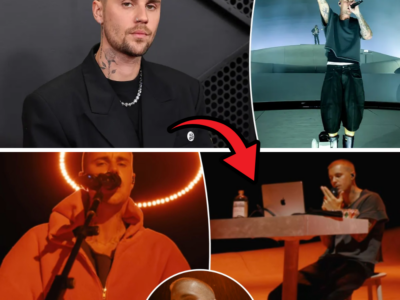
Bieber took the stage around 11:25 p.m. in a casual outfit consisting of a hoodie, shorts, and sunglasses, delivering a stripped-down, low-energy performance that left many attendees and online viewers confused and disappointed. Instead of the high-production spectacle fans have come to expect from major headliners, Bieber opted for an unconventional approach. He performed snippets of his greatest hits by sitting behind a laptop and playing old YouTube music videos, singing along to his younger self on screen. Songs like “Baby,” “Never Say Never,” “Beauty and a Beat,” and early covers were projected directly from the internet, creating a karaoke-style moment that some found nostalgic but many others viewed as minimal effort for such a prestigious slot.
Social media erupted almost immediately after the set began. Comments flooded platforms with phrases like “worst headliner in Coachella history,” “zero effort,” and “lazy cash grab.” Viewers pointed out the lack of elaborate staging, backup dancers, or dynamic visuals that typically define a Coachella headline performance. Comparisons to Sabrina Carpenter’s theatrical, high-energy set the previous night only intensified the criticism, with some fans questioning why Bieber could deliver a low-key show while others were held to higher production standards.

The backlash was amplified by the rumored financial details. Bieber reportedly negotiated his deal directly with festival promoter Goldenvoice without an agent, securing what insiders described as a groundbreaking $10 million payout for his appearances across the two weekends — roughly $5 million per show. This figure reportedly surpasses previous top earners, including Beyoncé’s $8 million in 2018. The massive paycheck, combined with the minimalist presentation, fueled accusations that the performance felt more like a paid appearance than a committed artistic showcase.
Despite the criticism, not everyone was disappointed. Some fans defended the set as an intimate, nostalgic throwback that celebrated Bieber’s roots as a YouTube sensation. The middle portion of the show, where he sat with his laptop and revisited early viral videos, was interpreted by supporters as a clever meta moment — blending his past and present in a way that felt authentic to his journey. Special guest appearances, including The Kid Laroi and others, brought bursts of energy, and Bieber powered through a lengthy setlist that mixed newer material from his “Swag” projects with classic hits. Supporters argued that after years of health challenges, personal growth, and a slower return to the spotlight, a more relaxed approach was understandable and even refreshing.
Bieber’s Coachella performance marked a significant comeback moment. Following health issues, including Ramsay Hunt syndrome that affected his face and mobility in recent years, as well as the demands of fatherhood and evolving musical direction, the singer had stepped back from large-scale touring. His headlining slot was widely viewed as a statement of resilience and a bridge to new music. The set included tracks from his recent “Swag” albums alongside the nostalgia-heavy laptop segment, creating a timeline effect that some appreciated as a full-circle celebration of his career.
Yet the divide in reactions highlighted broader conversations about artist expectations at major festivals. Coachella has built its reputation on ambitious, visually stunning productions from headliners. When an artist of Bieber’s stature delivers something more subdued, it inevitably invites scrutiny — especially at a reported record fee. Critics questioned whether the payment reflected star power and drawing ability rather than the quality or effort of the live show itself. Social media debates even touched on potential double standards, with some noting that a female artist delivering a similarly low-key set might face harsher judgment.
Bieber himself has not publicly addressed the backlash in detail in the immediate aftermath. The singer has historically maintained a relatively private stance on criticism, focusing instead on his family, faith, and creative process. His wife, Hailey Bieber, and other celebrities like Kylie Jenner were spotted supporting him from the audience, adding a personal touch to the high-profile night.
The performance also generated substantial online engagement. Clips of the laptop moments, guest appearances, and crowd reactions spread rapidly across platforms, turning the set into a viral talking point. While negative comments dominated initial reactions, streams and social metrics reportedly showed strong overall interest, proving Bieber’s enduring ability to move the cultural needle even amid controversy.
This Coachella appearance fits into Bieber’s evolving artistic identity. Once defined by high-energy teen-pop anthems and massive arena tours, he has increasingly embraced a more introspective and experimental sound in recent years. The stripped-down approach may reflect a desire to prioritize musical connection over spectacle, or simply a practical choice given his recent health journey. However, for a festival known for its larger-than-life productions, the contrast was stark and left many feeling shortchanged.
As Coachella Weekend One wrapped and anticipation builds for Weekend Two (where Bieber is scheduled to perform again on April 18), the conversation continues. Will he adjust the set for the second show, or double down on the intimate, nostalgic vibe? Fans remain split between those craving the flashy Bieber of old and those who appreciate his growth into a more mature artist.
Ultimately, the episode underscores the high stakes of festival headlining in the streaming era. Artists are expected to deliver not just music but memorable experiences worthy of their star power and compensation. Bieber’s $10 million payday made him the highest-paid performer in Coachella history, but it also set an incredibly high bar for audience expectations. Whether the criticism is fair or overblown, one thing is clear: Justin Bieber still knows how to dominate the conversation — for better or worse.
In the end, the desert winds may have carried away some of the disappointment, but the online discourse will likely linger long after the final notes fade. For a pop star who rose to fame through viral videos, using YouTube as a centerpiece of his set was either a brilliant full-circle moment or a miscalculated risk. As the dust settles on Coachella 2026, Bieber’s performance serves as a reminder that in today’s music landscape, even the biggest names are judged not only by their hits but by the effort and spectacle they bring to the stage.
News
THE CRUSHING TRUTH: Braden Rumfelt Breaks His Silence in Raw, Emotional Video After Being Told He “Wasn’t Good Enough” on American Idol
In the high-stakes world of American Idol, where dreams are built and shattered in a matter of minutes, few moments hit as hard as the one that left rising star…
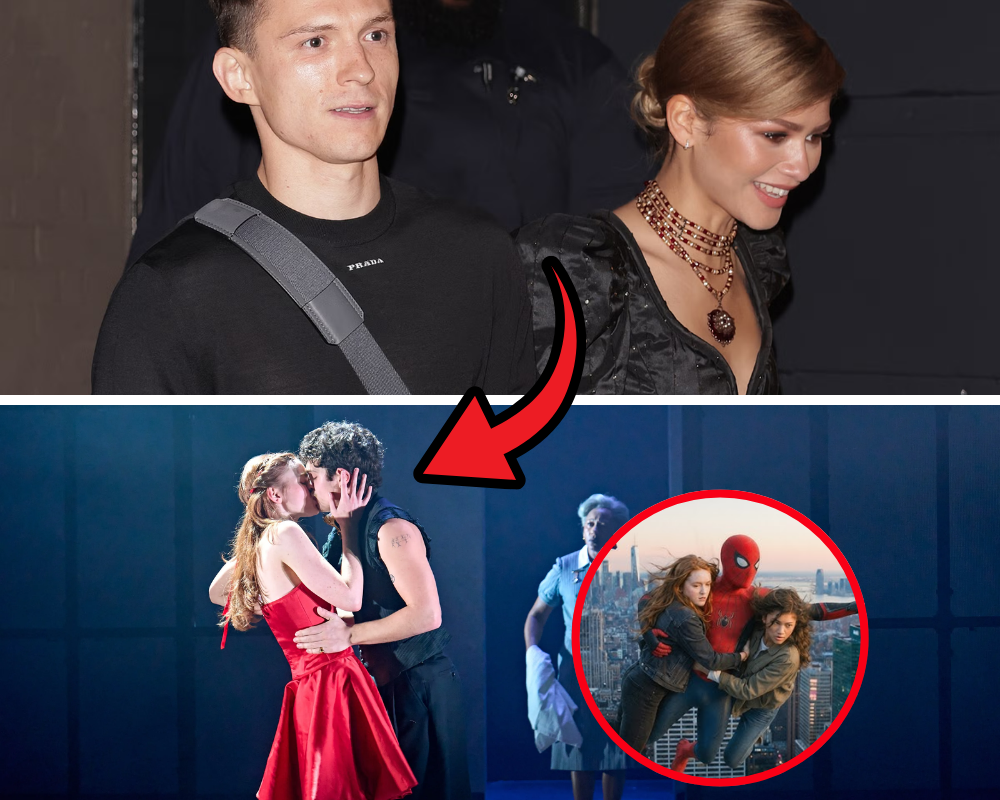
Tom Holland and Zendaya Show Heartwarming Support for ‘Spider-Man: Brand New Day’ Co-Star Sadie Sink at West End ‘Romeo & Juliet’ Revival
In a delightful crossover between the Marvel Cinematic Universe and the world of classic theatre, Tom Holland and Zendaya made a rare public appearance together to cheer on their Spider-Man:…
The Spider-Verse Shifts: Is Tom Holland Sitting Out ‘Avengers: Doomsday’ While Tobey Maguire Takes the Lead?
New rumors are swirling through the Marvel fandom, suggesting a surprising shake-up in the MCU’s multiversal plans. Tom Holland’s Spider-Man may have a significantly reduced presence in Avengers: Doomsday, potentially…
Doctor Strange 3 to Launch the Post-Secret Wars Era: Benedict Cumberbatch Returns as Marvel Positions Sorcerer Supreme as Key Figure in Rebuilding the MCU
New reports claim Doctor Strange 3 is being positioned as one of the first films to release after Avengers: Secret Wars. This suggests Marvel is planning to bring back Benedict…
TOBEY MAGUIRE & ANDREW GARFIELD VS SPIDER-MAN 2099: Epic Multiverse Showdown Confirmed as the Spider-Men of Tobey Maguire and Andrew Garfield Return in Spider-Man: Beyond the Spider-Verse to Aid Miles Morales — And Head Straight Into Battleworld for Avengers: Secret Wars!
The Spider-Verse is about to explode in ways no one saw coming. Fresh reports and insider buzz have fans losing their minds over what could be the ultimate multiversal team-up:…
Unmasking the Mystery: Tom Holland and Sadie Sink Take Spider-Man to New Heights in ‘Brand New Day’ (2026)!
Spider-Man: Brand New Day is shaping up to be one of the most intriguing entries in the Marvel Cinematic Universe, with Tom Holland and Sadie Sink at the forefront. The…
End of content
No more pages to load