Jay-Z’s Hip-Hop Hypocrisy? From Anti-Battle Sermon to Fiery Disses at Drake, Nicki, and Kanye
Just two months ago, Jay-Z made headlines with a reflective and surprisingly mature stance on the state of hip-hop. In a wide-ranging GQ interview, the 56-year-old rap mogul questioned whether battling still belonged in the culture. “I don’t know if battling needs to be a part of the culture anymore,” he stated, citing the toxic fallout from modern feuds, social media amplification, personal attacks, and the way conflicts now extend far beyond the music — sometimes dragging in families, children, and long-term reputations. He acknowledged loving the “sparring” and the great music it can produce but expressed concern that today’s version had grown too destructive.
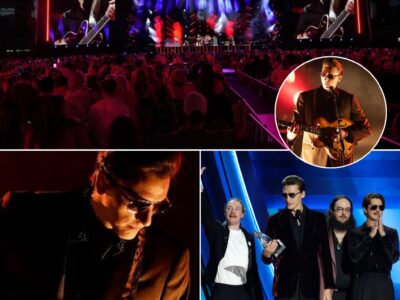
Fast forward to late May 2026, and the narrative has flipped dramatically. At the Roots Picnic in Philadelphia on May 30, Jay-Z delivered a fiery freestyle during his headlining set — his first major solo performance in years — that appeared to take direct aim at Drake, Nicki Minaj, Kanye West, and others. The performance, which blended classic hits with sharp new bars, left fans stunned and reignited debates about whether Jay-Z truly believes in moving past battles or if the culture simply pulled him back in.
The Spark: Drake’s “ICEMAN” and the Michael Jackson Glove
Much of the recent tension traces back to Drake’s bold new album ICEMAN. The project’s cover art features Drake wearing a sparkling, crystal-studded glove — a clear homage to Michael Jackson’s iconic accessory. Drake reportedly spent over $120,000 acquiring one of Jackson’s actual gloves, turning it into a central visual motif for the album. The gesture was widely interpreted as Drake positioning himself as a new “King” in the game, especially as ICEMAN shattered chart records and tied (or surpassed) some of Michael Jackson’s historic achievements.
Several tracks on the album, including “Janice STFU,” contained pointed references that many interpreted as shots at Jay-Z. Lines about “the jig is up” and business dealings reportedly struck a nerve. Jay-Z, who had previously stayed above the fray during the 2024 Drake-Kendrick Lamar battle, seemed to respond in real time during his Roots Picnic set. He flipped Drake’s bars with lines like “The jig is up, n**** I’m up 10, wrong chart champ,” and delivered business-oriented jabs suggesting Drake and others were “workers” rather than true owners in the industry.
Shots Across the Bow: Nicki, Kanye, and More
The freestyle wasn’t limited to Drake. Jay-Z appeared to address Nicki Minaj with references to “that lady back on that stuff” and comments about her husband Kenneth “Ken” Petty, tying into years of public friction between Nicki and the Roc Nation camp. He also took aim at Kanye West, referencing past grievances and defending his own family in the process. Additional bars targeted longtime associate-turned-critic Dame Dash and others with personal history.
The performance was electric. Jay-Z, sporting an afro wig for parts of the show, blended nostalgia with current-day venom. Fans captured the moment, and clips quickly went viral, sparking millions of views and heated discussions. Some praised Hov for finally “speaking his mind” after years of perceived silence. Others called it hypocritical, pointing directly to his recent GQ comments about the dangers of battling.

The Culture’s Pull: Why Jay-Z Jumped Back In
Hip-hop has always thrived on competition. From the earliest days of the genre — Kool Herc parties, Roxanne Shanté vs. UTFO, through legendary rivalries like Jay-Z vs. Nas — battle rap and diss tracks have served as a proving ground. They sharpen skills, generate massive public interest, and often produce some of the genre’s most memorable moments. Jay-Z himself built much of his early reputation on lyrical warfare, most famously in his back-and-forth with Nas that culminated in the classic “Super Ugly” and eventual reconciliation.
In his GQ interview, Jay-Z reflected on how social media has changed the game. What once stayed in the booth or on wax now becomes a 24/7 spectacle, with fan armies, memes, and real-world consequences. He worried about the mental health impact and the way feuds now feel personal rather than artistic. Yet when provoked — particularly by lines he saw as disrespectful to his legacy and business empire — the competitive instinct clearly kicked in.
Observers suggest several factors may have prompted Jay-Z’s return to the fray. Drake’s ICEMAN success and bold MJ glove imagery may have felt like a direct challenge to the throne. Ongoing tensions with Nicki Minaj, who has publicly criticized Roc Nation and Jay-Z in the past, likely added fuel. Kanye West’s history of unpredictable behavior and past barbs also made him an easy target in a moment of release.
Was Jay-Z Right the First Time?
This contradiction has sparked a fascinating debate within hip-hop circles. On one side, Jay-Z’s initial comments reflect the perspective of a mature elder statesman who has transcended the streets-to-boardroom journey. At this stage in his career, with a billion-dollar empire, a stable family, and decades of influence, he sees the downside: ruined relationships, mental health tolls, and distractions from positive cultural growth. Many fans and artists agree that modern beefs, amplified by algorithms and stan culture, have become more toxic than entertaining.
On the other side, his Roots Picnic performance reminds everyone that battle remains embedded in hip-hop’s DNA. Competition drives innovation, keeps legends sharp, and gives the culture the drama it often craves. When Jay-Z spits fire after preaching peace, it proves that even the most evolved voices can be pulled back by pride, legacy protection, or the pure thrill of the moment. The culture, as the saying goes, called him home.
Ultimately, Jay-Z may represent the tension many feel: loving the art of competition while recognizing its potential for harm. His actions suggest that while battles may no longer be necessary for the culture’s survival, they remain irresistible for those who helped build it. As Drake continues dominating charts with ICEMAN, Nicki maintains her outspoken presence, and Kanye stays unpredictable, the ecosystem of rivalries shows no signs of disappearing.
For fans, this moment is pure entertainment. Jay-Z’s return to the battlefield after calling for its retirement adds layers of irony and excitement. Whether this signals a new wave of high-profile disses or a one-off release of frustration remains to be seen. What’s clear is that hip-hop’s competitive spirit — for better or worse — remains very much alive, even among its most successful and reflective voices.
In the end, Jay-Z’s evolution from battle rapper to business mogul to conflicted elder shows the complexity of legacy. He may not love what battling has become, but when the right provocation hits, the instinct to respond is still there. The culture, it seems, isn’t quite ready to let go — and neither is he.