Guillermo del Toro’s long-awaited adaptation of Mary Shelley’s classic Gothic novel, Frankenstein, has arrived as a breathtaking cinematic achievement, blending visceral horror with profound emotional depth. Now streaming on Netflix following a limited theatrical run, this lavish epic reimagines the tale of creation and abandonment through del Toro’s signature lens of empathy for the monstrous outsider. At the heart of the film stands Jacob Elordi’s mesmerizing performance as the Creature, a role that has earned widespread acclaim for its raw vulnerability and articulate eloquence, staying true to Shelley’s original vision of a tormented, intelligent being rather than a mute brute.
Elordi, stepping into the part after a late casting change, has opened up about his initial hesitation before committing to the project. The actor admitted that his primary concern stemmed from fears that the Creature might be portrayed as nonverbal—a silent, grunting figure hidden beneath layers of makeup, limiting his ability to convey the character’s existential anguish. Having grown up admiring various adaptations, Elordi worried that such an approach might constrain the emotional and philosophical layers central to the story. However, upon reading del Toro’s script, those doubts evaporated. The screenplay revealed a deeply articulate Creature, capable of expressing profound loneliness, rage, and longing, allowing Elordi to explore the full spectrum of human—like—torment.
This faithfulness to Shelley’s novel, where the Creature is eloquent and self-educated, thrilled Elordi and became a cornerstone of his preparation. To immerse himself fully, the actor created a personal “Creature diary,” transforming an old book filled with Arthur Rackham ink sketches into a massive tome written entirely from the monster’s perspective. Over the course of production, Elordi filled blank pages with the Creature’s inner thoughts, fears, and observations, completing the diary on his final day of shooting. This intimate journal served as a “giant bible” for the character, helping Elordi channel the being’s evolving psyche—from bewildered newborn to vengeful outcast.
The physical transformation was equally demanding. Elordi’s Creature required up to 10 hours daily in the makeup chair, with 42 individual silicone prosthetics applied across his body and face by designer Mike Hill’s team. The result is a hauntingly beautiful yet grotesque figure: scarred, patchwork skin evoking deliberate construction, pale and imposing, with Elordi’s expressive eyes piercing through the layers. Despite the grueling process, Elordi embraced it as a “sacrament,” invoking the Creature’s spirit from the moment prosthetics began. Del Toro encouraged this ritualistic approach, fostering a collaborative set where actors felt safe to delve deep emotionally.
:max_bytes(150000):strip_icc():focal(753x298:755x300)/jacob-elordi-frankenstein-102425-c9ecadb9f50443e3aad0acf3224d98d9.jpg)
Jacob Elordi’s shocking full reveal as the Creature captures the film’s blend of beauty and horror.
Opposite Elordi is Oscar Isaac as Dr. Victor Frankenstein, a brilliant yet egotistical scientist whose ambition leads to tragic consequences. Isaac portrays Victor with feverish intensity, a man driven by grief and hubris, lacking the patience or love to nurture his creation. Their dynamic forms the film’s emotional core: a fraught father-son relationship laced with abandonment and resentment. Mia Goth delivers a dual performance as Victor’s mother and his fiancée Elizabeth, bringing ethereal grace and quiet strength to roles that humanize the tragedy. Christoph Waltz adds sinister charm as a key supporting figure, rounding out a cast that includes Felix Kammerer, David Bradley, and Charles Dance.

Oscar Isaac embodies the tormented genius of Victor Frankenstein amid decaying grandeur.
Del Toro, fulfilling a decades-long dream, infuses the film with his trademark visual splendor: shadowy laboratories, stormy Arctic frames, and intricate period details evoking 19th-century Europe through a Latin American, Catholic lens of passion and redemption. Cinematography by Dan Laustsen bathes scenes in gothic hues, while Alexandre Desplat’s lyrical score amplifies the melodrama. The narrative frames Victor’s confession aboard a ship, interweaving creation, pursuit, and confrontation with themes of parenthood, isolation, and what it truly means to be human.
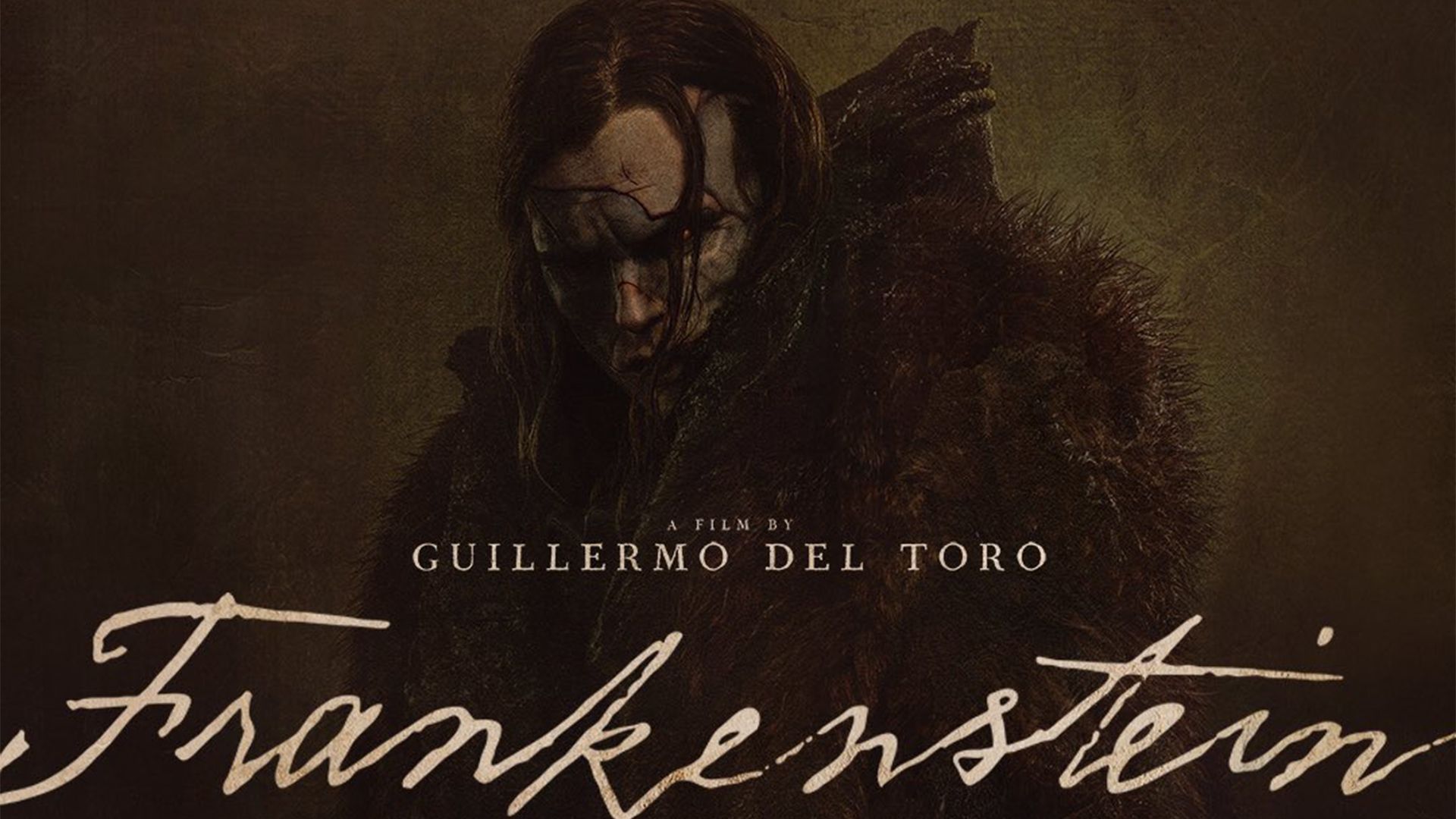
Official key art evokes the film’s operatic scope and haunting atmosphere.
Critics have hailed Frankenstein as a triumph, praising its emotional resonance and technical mastery. Elordi’s performance stands out as a revelation, blending physicality with poignant articulation—his Creature’s speeches on loneliness and rejection move audiences to tears. The film balances horror with heartbreak, portraying humans as the true monsters through cruelty and fear. Del Toro’s empathetic gaze shines, turning Shelley’s cautionary tale into a sweeping meditation on love’s absence and the pain of otherness.
Production challenges, including a rapid redesign of the Creature’s look to fit Elordi’s taller frame, only enhanced the final result. On set, del Toro created a nurturing environment, allowing vulnerabilities to surface without judgment. Elordi has described the experience as liberating, a metamorphosis aligning with his own growth as an actor.
In an era of remakes, del Toro’s Frankenstein feels vital—lush, romantic, and achingly human. It explores faith, fear, and fatherhood, reminding viewers that monsters are often born from neglect. Elordi’s articulate, soulful Creature redefines the icon, proving that beneath scars lies profound humanity.

Elordi’s imposing yet vulnerable Creature looms in shadowy elegance.
As awards season approaches, buzz surrounds potential recognition for the cast and del Toro’s visionary direction. This Gothic masterpiece not only honors Shelley’s legacy but elevates it, delivering haunting beauty and emotional depth that lingers long after the credits. For those seeking cinema that stirs the soul, del Toro’s Frankenstein is essential viewing—a timeless tale reborn with thunderous heart.