What if the most horrifying crime imaginable began not with cold calculation, but with a single, ordinary moment that spiraled out of control in seconds? A FedEx delivery truck pulls into a quiet rural driveway in tiny Paradise, Texas. A box of Christmas Barbies — “You Can Be Anything” dolls meant to spark joy for a little girl — is dropped off. The driver begins to back out. And then, in a split second, everything changes.
Or so Tanner Lynn Horner wants the world to believe.
On November 30, 2022, seven-year-old Athena Strand vanished from her family’s 10-acre property shortly after stepping off the school bus. She was bright, energetic, and full of life — the kind of child who loved running free outdoors. The package Horner delivered that afternoon sat untouched near an abandoned trailer. By evening, her stepmother was frantically searching. Hours later, an Amber Alert ripped through North Texas. Hundreds of volunteers, drones, helicopters, and search dogs scoured the countryside. But Athena never came home. Her naked body was found two days later near the Trinity River, strangled and discarded like unwanted cargo.
Now, more than three years later, as Horner — the former contract FedEx driver — stands in a Tarrant County courtroom facing the death penalty or life without parole, his original story has resurfaced in chilling detail during the punishment phase of his trial. After a shocking guilty plea to capital murder and aggravated kidnapping on April 7, 2026, prosecutors tore into what they call a “web of lies.” Yet Horner’s early confession to investigators still lingers as the centerpiece of a defense narrative that tries to frame the abduction as a tragic, unplanned escalation rather than premeditated evil.
According to Horner’s initial account to police, the horror started completely by accident. While backing his delivery truck out of the Strand family driveway after dropping off the Christmas gift, he claimed he struck the little girl. She wasn’t seriously hurt — just scared and crying. But when Athena reportedly said she was going to tell her father what happened, panic set in. Fearing he would lose his job and face consequences, Horner said he made a split-second decision: he scooped her up, placed her in the back of the truck, and drove away. No grand plan. No prior intent to kidnap. Just one impulsive act triggered by the child’s innocent threat to speak up.
In his telling, it was all truly random — a momentary lapse that snowballed because of one small action by Athena herself. She had simply been in the wrong place at the wrong time, running behind the truck or standing in the driveway as he reversed. That single moment, Horner implied, forced his hand. He couldn’t let her go home and tell her dad. So he kept her quiet, drove off, and later strangled her inside the vehicle when the situation spiraled further. He even led investigators to her body after confessing, a detail prosecutors acknowledge as one of the few truthful elements in his shifting statements.
But the evidence presented in court this week paints a far darker picture — and raises haunting questions that tug at the reader’s curiosity: Was it really random? Or was the “accident” story a convenient cover for something more sinister?
Prosecutors, led by Wise County District Attorney James Stainton, dismantled Horner’s narrative from the opening statements. They told jurors that the only thing Horner told the truth about was admitting he killed Athena. Everything else — the accidental strike, the panic, the fear of losing his job — was “lie upon lie upon lie.” A haunting black-and-white photo captured from inside the FedEx truck tells a different story: Athena is seen alive, alert, and seemingly unharmed, kneeling behind the driver’s seat as the vehicle pulls away from her home. She was not injured from any impact. She was not dead or unconscious when placed in the truck.
The first words Horner spoke to the terrified child, according to prosecutors: “Don’t scream or I’ll hurt you.” He repeated the threat twice for emphasis. No gentle reassurance at first — just a direct warning that made good on its promise. An hour-long audio recording from inside the truck, which jurors are expected to hear in full, captures what followed. Stainton warned the panel they would hear “what a 250-pound man can do to a 67-pound child.” Athena, described by family and teachers as strong-willed with “the fight of 100 men,” reportedly battled desperately before being overpowered and strangled. Horner allegedly covered the truck’s camera to hide the attack, but the audio continued rolling.

The timeline adds to the intrigue. Athena was last seen around 5:45 p.m. by her stepmother, Ashley Strand. The FedEx truck arrived shortly after with the Barbie dolls — a gift ordered with love for the holidays. By 6:05 p.m., she was gone. Her stepmother called 911 at 6:41 p.m. after searching the house and property, initially thinking the playful girl was hiding. A massive search ensued, but Horner had already driven away with his young passenger.
In interrogation videos shown to the jury, Horner’s story evolved. At one point he claimed Athena was dead when he put her in the truck from the “accident.” Later, he admitted she was alive and talking, even telling him her name. When asked why he didn’t just let her go, he reportedly said a “voice” told him not to. He expressed some remorse, at one moment asking investigators if they could “just shoot me in the head.” Yet prosecutors argue the abduction was calculated, not a panicked reaction to a minor bump. DNA evidence, including findings in places that suggest sexual assault, further contradicts any claim of a purely accidental encounter.
Horner’s defense team is fighting for life without parole, pointing to autism spectrum disorder, possible brain damage from prenatal alcohol exposure, lead poisoning, and mental health struggles. They portray him as someone whose impaired judgment turned a random moment into tragedy, not a predator with intent from the start. But the state counters that none of that excuses the terror inflicted on a trusting seven-year-old during what should have been a routine delivery.
The case has gripped North Texas since 2022. Athena’s family described her as a warrior — expressive, kind, and full of energy. Her stepmother testified about the moment reality hit: the untouched Barbie package sitting on the property while Athena was missing. “I lost it,” she said, her voice breaking. The family’s pain deepened with the holiday season; Christmas 2022 became a nightmare of vigils and empty chairs instead of presents and laughter. Athena’s biological mother, Maitlyn Gandy, has spoken publicly about the innocence stolen that day.
Community members who joined the search recall the heartbreak when her body was recovered. The tragedy spurred calls for better vetting of delivery drivers and inspired an “Athena Alert” bill in Texas to improve responses to child abductions.
As the sentencing phase continues — expected to last up to three weeks — jurors will weigh graphic evidence, hear from Athena’s loved ones, and decide Horner’s fate. The defense hints at brain injury as a mitigating factor; prosecutors see premeditation and cruelty.
The central mystery that keeps pulling readers back: How does an everyday delivery turn deadly in minutes? Horner insists it was all random — no prior plan, just one child’s action (her presence behind the truck or her words about telling her dad) that flipped a switch and forced his hand. Prosecutors call it a calculated lie designed to minimize his guilt.
A child who should have been unwrapping new Barbies and dreaming of the future instead spent her final moments in the back of a delivery truck, compliant at first under threats, then fighting for her life. The promise of home, the fear of consequences, the split-second decision — or was it?
In a small Texas town where neighbors trusted the man in the FedEx truck to bring holiday cheer, one random driveway encounter shattered everything. Tanner Horner’s claim that the abduction wasn’t planned from the beginning hinges on that single, fateful action by Athena Strand. Whether the jury — and the public — believes it was truly spontaneous panic or a convenient story to soften a monstrous crime will shape the final chapter of this heartbreaking case.
Athena never got to be “anything” she dreamed of. The dolls remain unopened symbols of a future stolen in what Horner calls a random twist of fate. But for her family and a community still searching for answers, the question lingers: Was it really all just one unplanned moment — or the mask slipping on something far darker?
The jury’s decision on life or death will come soon. Whatever they choose, the debate over intent versus impulse in Athena Strand’s murder ensures her story will haunt anyone who ever watched a delivery truck pull away from their own driveway.
News

“A quiet road… a sudden crash… and questions no one can answer” — 17-year-old Megan Swann’s final moments spark chilling mystery
On a peaceful country lane in Hertfordshire, under the cover of a cool March evening, four teenagers were laughing together in a blue Ford Fiesta. It was just after 9…
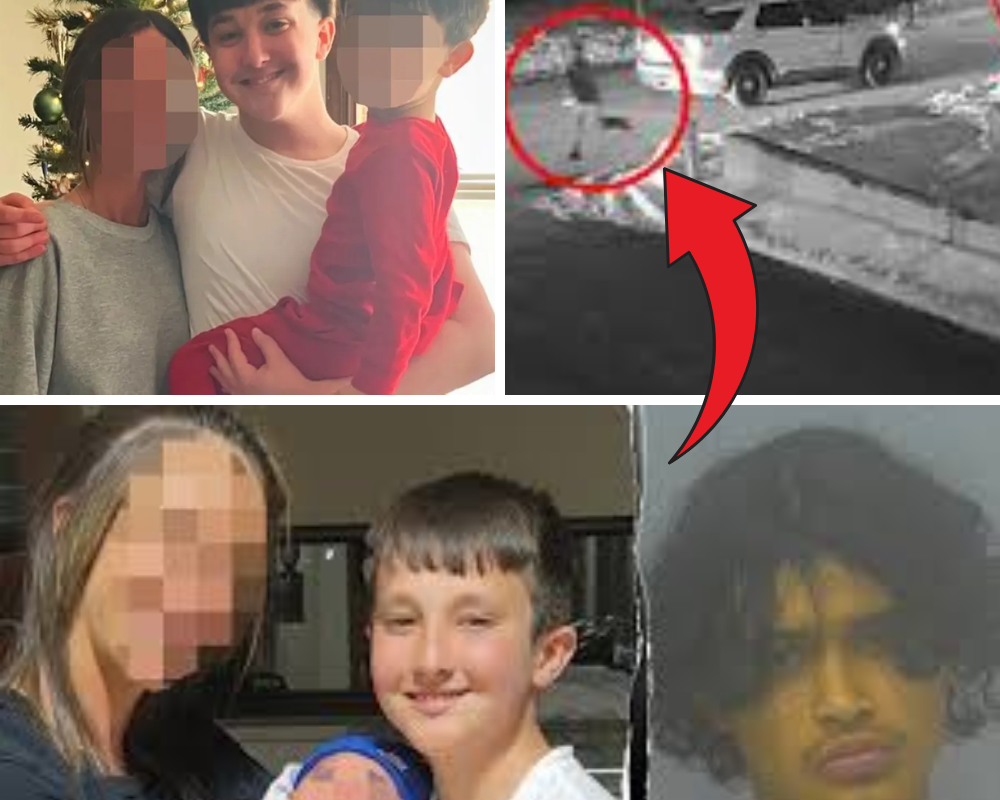
“I Just Don’t Want to Die”: The Final, Heartbreaking Plea of 15-Year-Old Miles Young – A Teen Who Thought He Was Meeting a Girl, But Walked Straight Into a Deadly Ambush
On March 12, 2026, in southwest Springfield, Greene County, Missouri, near West Maplewood Street, Miles Young was gunned down in what prosecutors describe as a cold-blooded, premeditated ambush. What began…

“The Most Horrifying Christmas We’ve Ever Endured”: Athena Strand’s Mother Recalls the 2022 Holiday Season Shattered by Her 7-Year-Old Daughter’s Brutal Murder
Imagine a quiet rural driveway in tiny Paradise, Texas, just days before the magic of Christmas 2022. A little girl named Athena Strand, full of life and excitement for the…
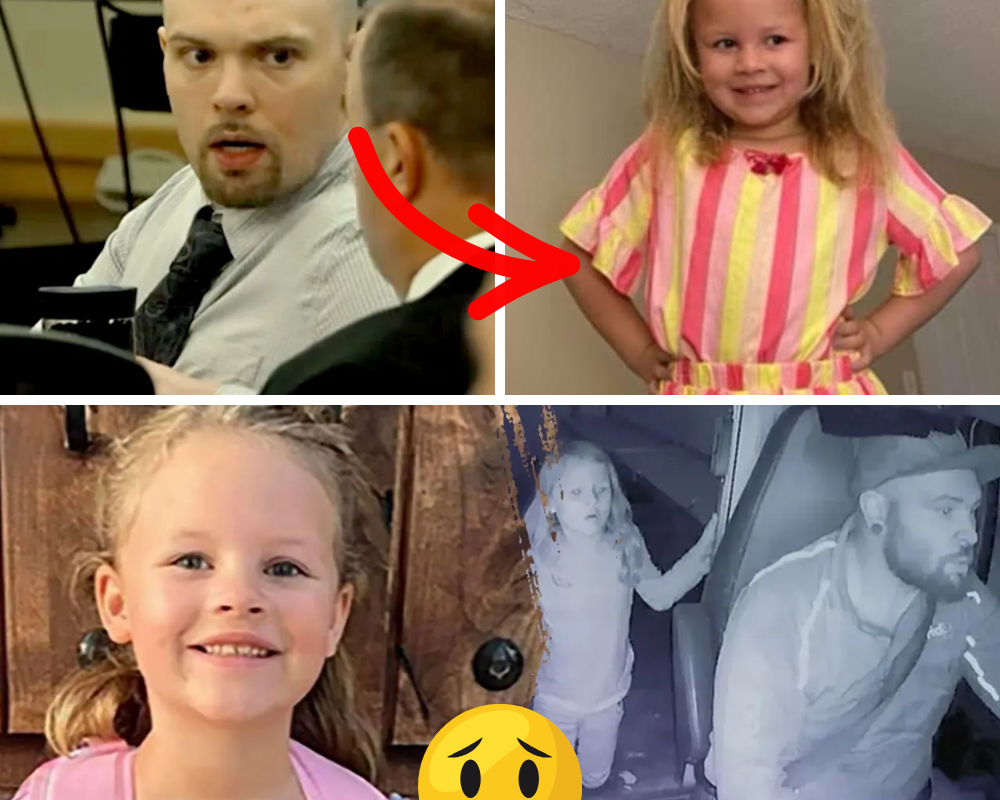
“Be Good in the Car and I’ll Take You Home”: Tanner Lynn Horner Reveals Why Athena Strand Stayed Calm and Untied in His FedEx Truck Until Late at Night
In the chilling final hours of her short life, seven-year-old Athena Strand sat obediently on her knees behind the driver’s seat of a FedEx delivery truck, wide-eyed but eerily still….
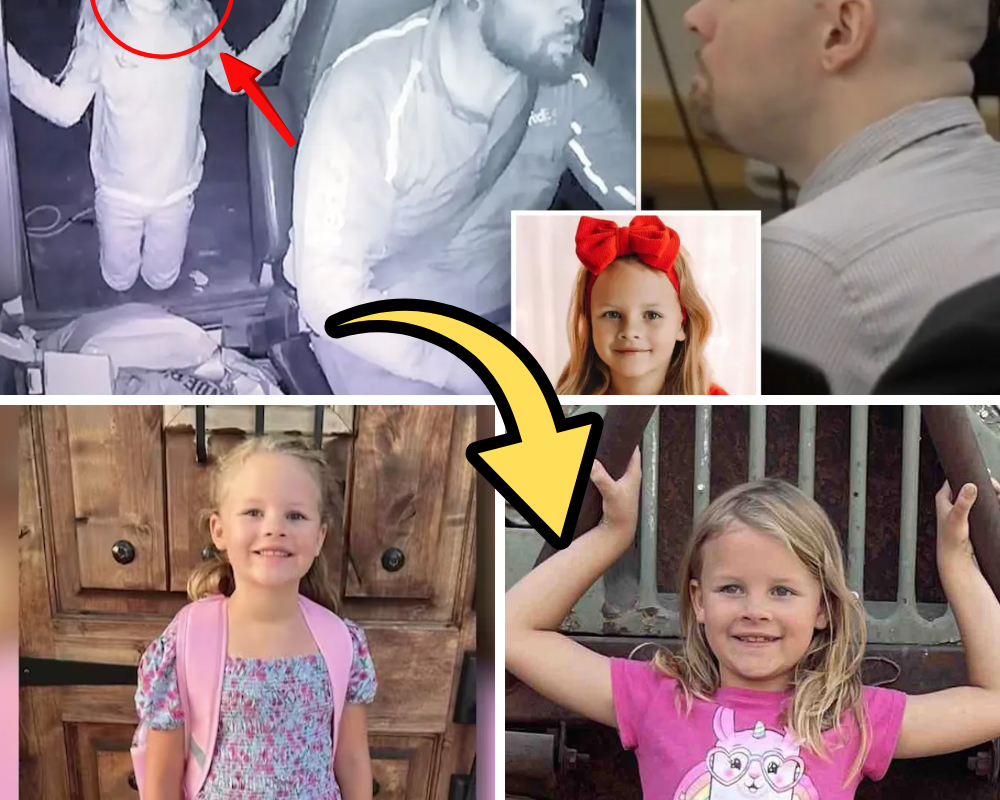
“She Had No Idea She Was Being Kidnapped and About to Be Killed”: Facial Expression Analysts and Psychologists Reveal Athena Strand Showed No Fear or Distress in Chilling Video While Kneeling in Tanner Lynn Horner’s FedEx Truck
In the grainy black-and-white surveillance footage captured inside a FedEx delivery truck on November 30, 2022, a small 7-year-old girl kneels quietly behind the driver’s seat. Her posture is calm,…
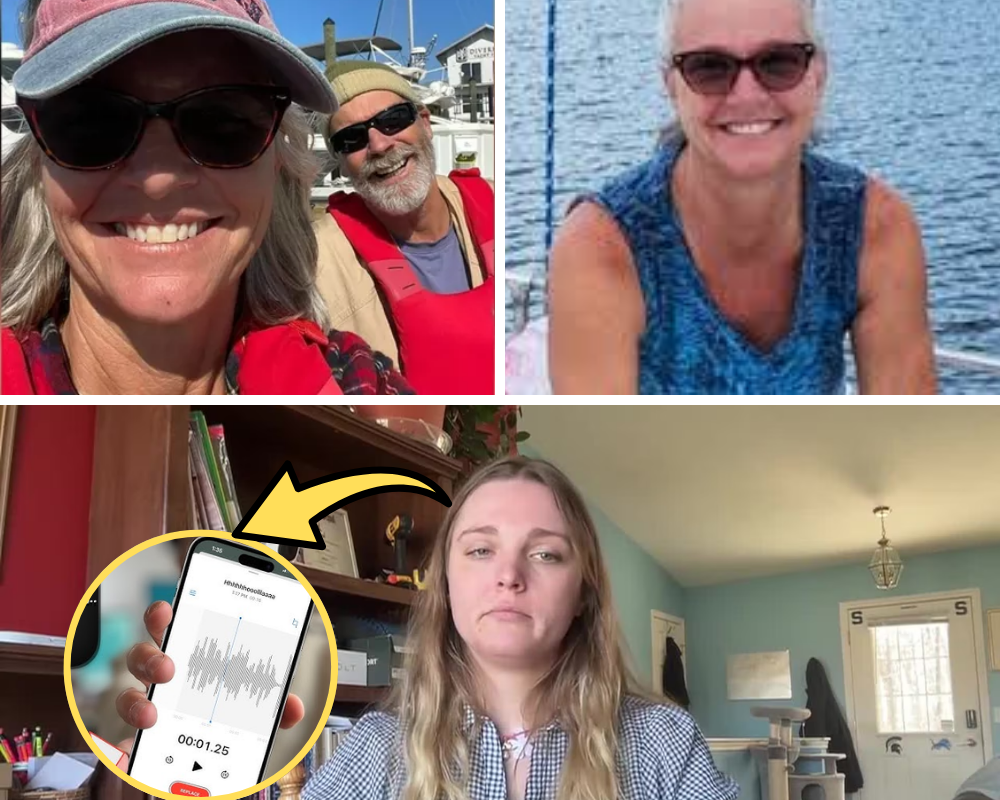
Chilling Voice Note from Brian Hooker Surfaces: “I Threw the Flotation Device to Mom” – Just Hours After Alleged Threats to Throw Lynette Overboard, as Daughter Karli Aylesworth Reveals Disturbing History
A single voicemail, delivered in a eerily calm, almost monotone voice, has sent shockwaves through the investigation into the disappearance of 55-year-old Lynette Hooker in the Bahamas — and it…
End of content
No more pages to load