David Robert Mitchell’s It Follows, the groundbreaking indie horror film from 2015, has made a chilling return to Netflix, sending a fresh wave of viewers into sleepless nights and paranoid glances over their shoulders. This slow-burning masterpiece, which originally premiered over a decade ago, feels as fresh and terrifying today as it did upon release. People are binge-watching it alone at their peril, only to report they couldn’t relax afterward, double-checked their locks multiple times, or even turned it off halfway because the dread became too overwhelming. It’s not the jump-scare-heavy slasher of old—it’s a psychological nightmare that burrows deep into your mind and refuses to leave, long after the credits roll.

A Simple Premise That Becomes an Unstoppable Nightmare
The story centers on Jay Height (Maika Monroe in a breakout performance), a young woman living a typical suburban life in Detroit—hanging out with friends, dating, and enjoying quiet moments by the lake. After a seemingly innocent sexual encounter with her new boyfriend Hugh (Jake Weary), everything changes. Hugh reveals a horrifying truth: he’s passed on a curse. An entity—known only as “It”—now follows Jay relentlessly. It walks slowly but never stops, appearing in the form of random strangers (sometimes naked, sometimes bruised, sometimes as people she knows). Only the cursed can see it, and if it catches you, you die. The only way to escape? Pass it on through sex, dooming someone else to the same fate.
What elevates this premise from gimmick to genius is how Mitchell turns everyday environments into sources of paranoia. Wide shots linger on backgrounds where figures slowly approach from afar. Crowded hallways, quiet neighborhoods, or even a peaceful beach become battlegrounds of tension. You, the viewer, start scanning every frame for threats, mirroring Jay’s growing anxiety. There’s no fast-running monster here—no frantic chases. The horror comes from inevitability: you can drive across the country, but It will walk straight toward you, 24/7, until it arrives.
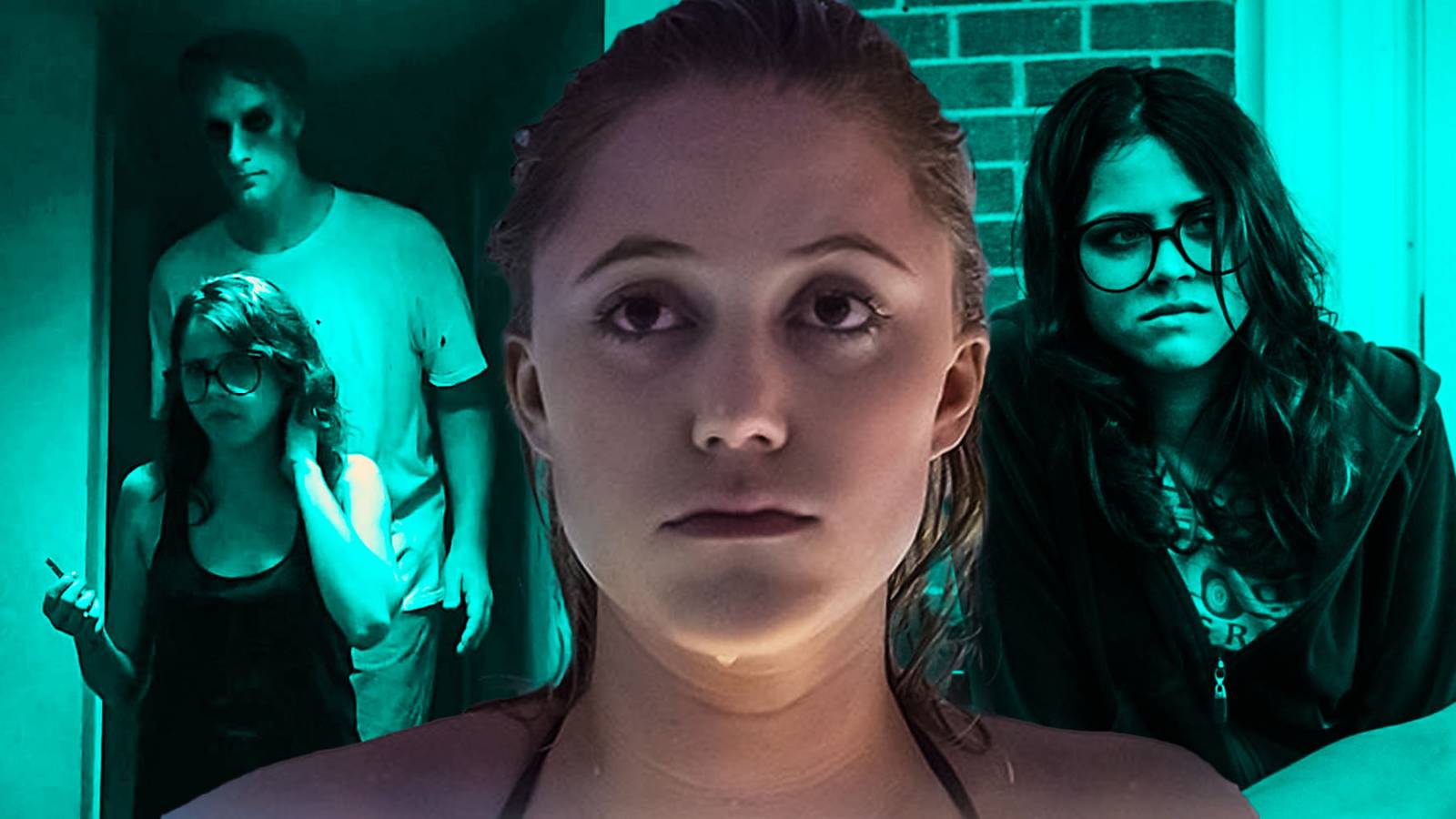
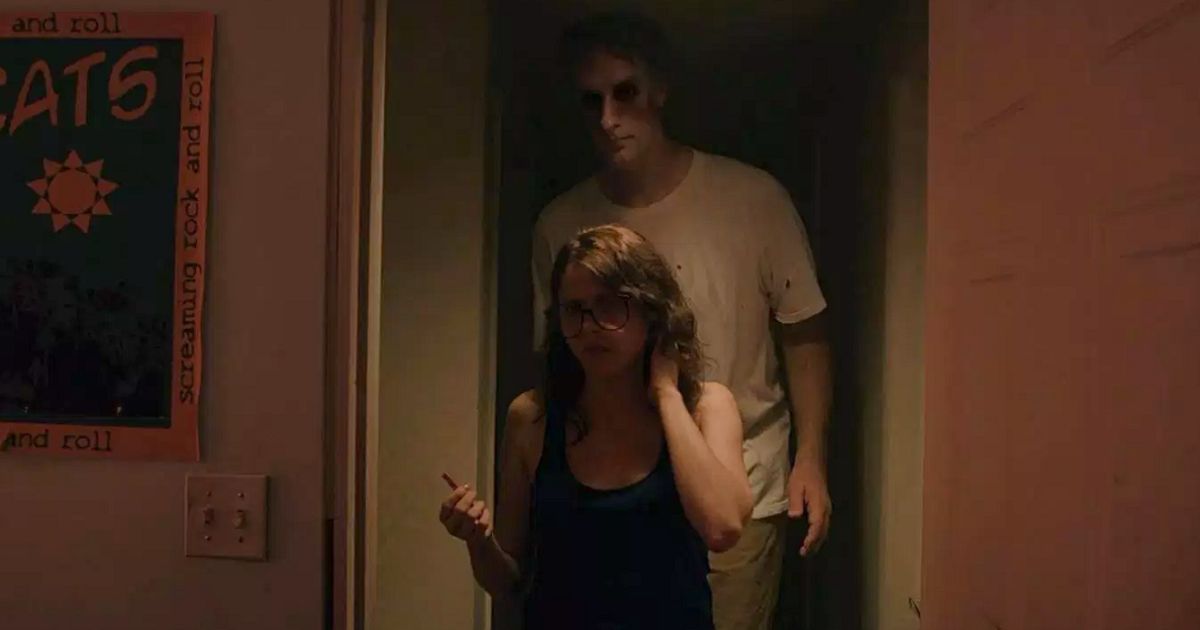
Jay enlists her close-knit group of friends—sister Kelly (Lili Sepe), Paul (Keir Gilchrist), Yara (Olivia Luccardi), and neighbor Greg (Daniel Zovatto)—to help her evade the curse. They brainstorm escapes, confrontations, and even a desperate plan to trap It in a swimming pool rigged with electronics. But the entity adapts, shapeshifting into terrifying forms: a tall man looming in doorways, a child, an elderly woman, or worse—loved ones. These appearances aren’t just scary; they’re deeply unsettling, forcing Jay (and us) to question who’s real and who’s the threat.
Why It Lingers: Atmosphere Over Gore
Unlike many horrors that rely on blood and screams, It Follows is a masterclass in sustained dread. Mitchell draws heavily from classics like John Carpenter’s Halloween—evident in the wide-angle shots, suburban settings, and pulsating synth score by Disasterpeace that evokes Carpenter’s own compositions. The music throbs with retro electronic beats, building unease without ever overwhelming the silence that makes quiet scenes so oppressive.
The film’s visual style is dreamlike yet grounded. Set in a timeless Detroit suburb (old TVs mix with modern gadgets), it creates a disorienting limbo where seasons shift oddly and technology feels inconsistent. This adds to the surreal paranoia: nothing feels quite safe or normal. Monroe’s performance as Jay is pivotal—her wide-eyed fear evolves into exhausted resignation, making her relatable and rootable. The supporting cast feels authentic, like real teens navigating an impossible horror.
Critics hailed it as a modern classic upon release, praising its originality in a genre often stuck in formulas. It’s smart without being pretentious, layering metaphors—about mortality, the burdens of adulthood, or the lingering consequences of intimacy—onto visceral scares. Fans compare it to elevated horrors like Hereditary or The Babadook for how it explores grief and trauma through supernatural lenses. If those films left you rattled, It Follows will push further, turning mundane walks or glances out windows into anxiety triggers.
The Ambiguous Ending and Lasting Impact
The climax sees the group luring It to an indoor pool for an electrocution trap—a plan that’s equal parts ingenious and flawed. Bullets don’t stop It; it simply adapts. In a tense, watery showdown, they seemingly succeed… but the film refuses easy resolution. The final scenes show Jay and Paul (now a couple) walking hand-in-hand, trying to move on. But in the distance, a figure slowly follows. Is it real? Paranoia? The curse unbroken? Mitchell leaves it open, amplifying the horror: even if you “win,” the fear persists.
This ambiguity is why it haunts long-term. Viewers report checking backgrounds in real life, feeling watched on empty streets, or leaving lights on. It’s not about jumps (though there are masterful ones); it’s existential dread—the sense that something inevitable is coming, no matter how far you run.
Made on a tiny budget, It Follows grossed millions and earned near-perfect acclaim, cementing its cult status. Its influence ripples through modern horror, inspiring films that prioritize atmosphere and ideas over spectacle. With a sequel, They Follow, in the works starring Monroe again, excitement is building—but the original stands alone as a pinnacle.
Not for the Faint-Hearted
Many viewers swear they watched alone and regretted it, pausing to “check the hallway” or finishing at dawn because sleep felt impossible. Others couldn’t make it through, too shaken by the unrelenting tension. It’s the rare horror that doesn’t fade— it sits heavy in your chest, making ordinary moments feel precarious.
If you’re craving something that redefines scary, dive into It Follows on Netflix. Just don’t say you weren’t warned: this isn’t entertainment that ends when you hit stop. It lingers, slowly approaching, until you’re glancing back one more time.