Is History Repeating? Meghan Markle Sparks Angelina Jolie Comparisons During Jordan Humanitarian Visit — Fans Spot Striking Similarities in Style, Poses, and Compassionate Demeanor
In late February 2026, Meghan Markle stepped back into the international spotlight with a surprise two-day humanitarian visit to Jordan alongside Prince Harry, marking their first major overseas engagement of the year. Invited by the World Health Organization (WHO), the Duke and Duchess of Sussex focused on mental health initiatives, support for vulnerable communities affected by conflict and displacement, and visits to rehabilitation centers and refugee programs. The trip, announced mere hours before their arrival in Amman, carried a low-key, purpose-driven vibe—no formal royal welcomes, no Jordanian royals in attendance, just focused work. Yet, what captured global attention wasn’t just the agenda; it was Meghan’s understated appearance and empathetic interactions that immediately drew parallels to Hollywood icon Angelina Jolie.
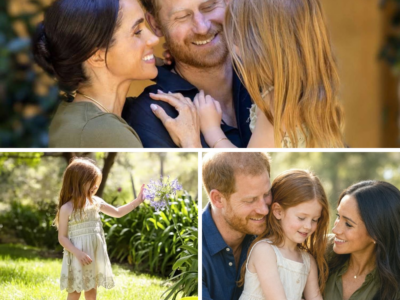
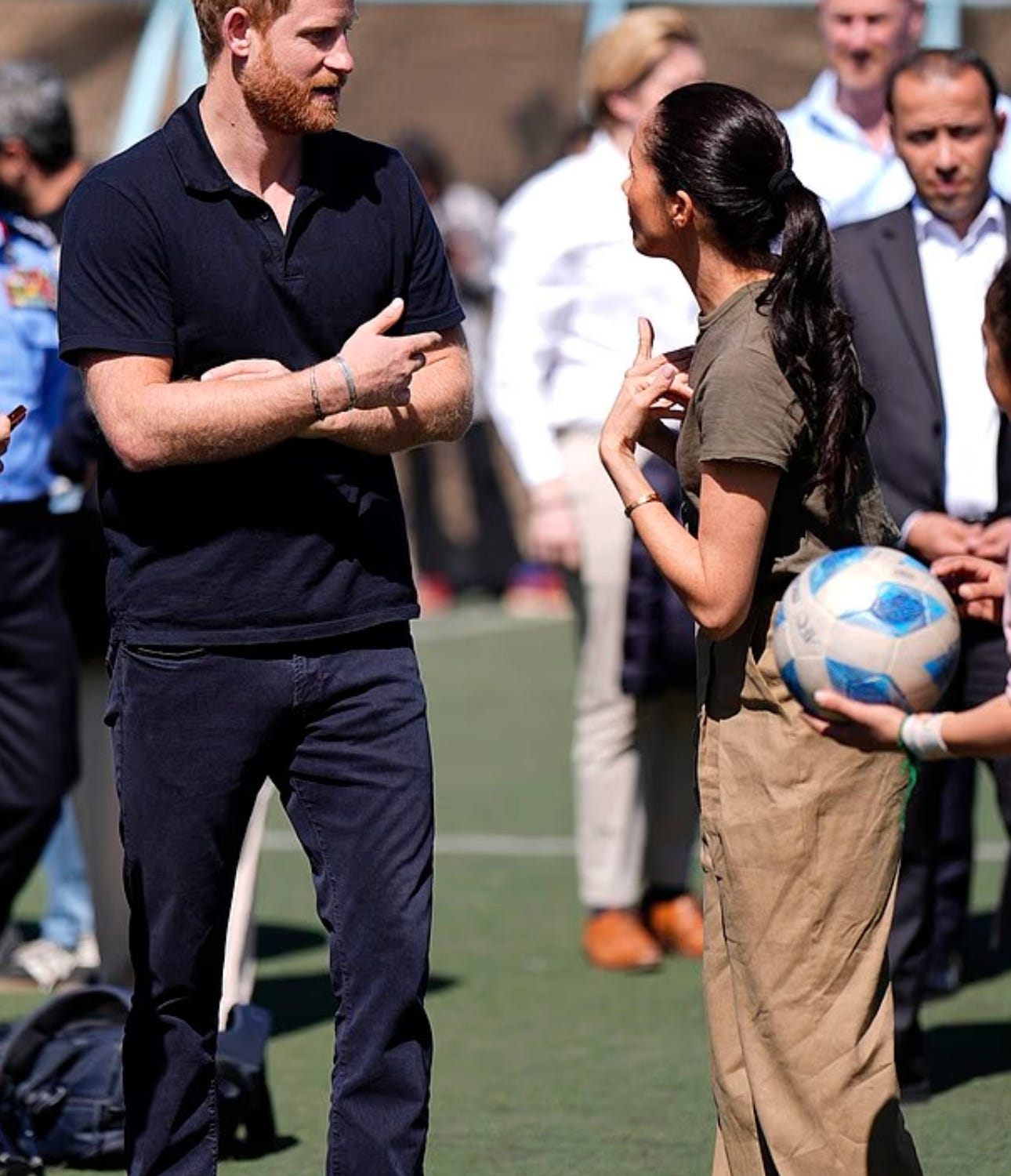
Dressed in simple, practical ensembles that prioritized function over flair, Meghan opted for neutral tones and modest pieces that evoked the signature “humanitarian wardrobe” Jolie has perfected over decades of fieldwork. On one day at the Za’atari refugee camp, she wore a white T-shirt layered under an olive top, paired with tan pants and minimal accessories—her only visible jewelry a gold wedding band and Cartier Love bracelet. The look shifted to even more casual elements elsewhere: an olive shirt with neutral trousers, sleeves rolled up, hair pulled back simply, and flat shoes suited for walking and engaging on the ground. These choices stood in sharp contrast to Meghan’s usual polished, glamorous style seen at galas or red carpets, signaling a deliberate pivot toward practicality and approachability.
Observers quickly noted the echoes of Jolie’s iconic early humanitarian outings. Jolie’s 2003 UNHCR visit to Tanzania featured similar khaki-olive tones, rolled sleeves, neutral trousers, and a no-frills aesthetic designed to blend in rather than stand out. Side-by-side photos circulating online highlighted the resemblances: both women in earthy palettes that convey humility and focus on the cause; both crouching or leaning forward to connect at eye level with children and community members; both maintaining attentive eye contact and gentle, open body language. At the QuestScope Youth Center in Za’atari, Meghan’s gestures—listening intently, offering affirmations, and participating hands-on—mirrored the compassionate, immersive approach Jolie has used in refugee camps across Iraq, Jordan, and beyond during her tenure as UNHCR Special Envoy from 2012 to 2022.
The comparisons exploded across social media and tabloids almost immediately. Fans and royal watchers shared montages of the outfits and poses, with captions like “Meghan channeling Angelina’s humanitarian glow-up” and “Is this a tribute or twin energy?” Some praised the similarities as smart and effective: “Both women know how to use image to amplify the message—understated style lets the people and stories shine.” Others saw it as more than coincidence, pointing to Meghan’s long-documented admiration for strong female figures in philanthropy. Jolie, with her Oscar-winning career and decades of advocacy for refugees, displaced persons, and women’s rights, has long set the gold standard for celebrity humanitarianism. Meghan, through Archewell Foundation initiatives and past royal engagements, has shown a similar commitment to mental health, community support, and global causes.
Critics, however, weren’t as charitable. Some labeled the Jordan appearance as “cosplay” or “copying,” accusing Meghan of borrowing Jolie’s playbook to reinvent her public image post-royal exit. Online threads dissected every detail: the olive shirt reminiscent of Jolie’s Tanzania trip, the white T-shirt echoing outfits from Jolie’s Iraq visits, even the way Meghan pinned handwritten notes at a rehab center in Amman. Detractors argued the parallels felt calculated, part of a broader pattern where Meghan draws inspiration from icons like Princess Diana (empathy for refugees), Catherine (practical coats), or even others in fashion and wellness. “Angelina did this for years with genuine impact—it’s not just about the outfit,” one commentator noted, while others defended: “Practical clothes for practical work—why can’t two women dress similarly without it being mimicry?”
The debate touches on deeper questions about celebrity philanthropy and image curation. Jolie built her humanitarian persona through consistent, long-term commitment: field visits, policy advocacy, and founding initiatives that endure. Her style evolved from red-carpet glamour to field-ready minimalism, signaling authenticity and respect for the communities she serves. Meghan’s Jordan trip, while shorter and more focused (mental health roundtables with WHO partners, interactions at food programs and youth centers), aligns with her post-royal pivot toward independent advocacy. The Sussexes’ Archewell Foundation emphasizes mental wellness and community resilience—themes that resonate with Jolie’s work on trauma and displacement.
Body language played a huge role in the comparisons. Meghan’s gentle forward lean during conversations, attentive nods, and eye-level engagement with locals mirrored Jolie’s documented approach: never towering over people, always creating space for connection. In conservative cultural contexts like Jordan, both women adapted with modest, covered looks that showed cultural sensitivity while maintaining approachability. The minimalist styling—no flashy jewelry, no bold colors—further amplified the focus on the mission rather than the messenger.
Whether intentional homage or organic alignment, the parallels highlight shared strategies in using celebrity platform for good. Both women understand that image and diplomacy intertwine: a thoughtful outfit can signal respect and accessibility, while empathetic gestures build trust. Meghan’s admiration for “strong female humanitarians” like Jolie has been evident in her advocacy work, from early royal patronages to current Archewell efforts. The Jordan visit, coming amid scrutiny of their independent path, reinforced their commitment to hands-on causes—visiting rehab patients, supporting food programs, and engaging with displaced communities.
As photos from the trip continue to circulate, the side-by-side moments remain hard to ignore. Fans debate endlessly: tribute or twin? Coincidence or calculated? In an era where public figures’ every move is analyzed, the comparisons serve as both compliment and critique. Jolie set a high bar for celebrity humanitarianism; Meghan appears to be walking a similar path, blending poise, understatement, and intense focus.
Ultimately, the Jordan appearance showcased Meghan’s evolution: from royal duties to global advocate, prioritizing substance over spectacle. Whether history is repeating or simply rhyming, the striking similarities underscore a timeless truth—powerful women using their influence for compassion look remarkably alike when the focus is on helping others.