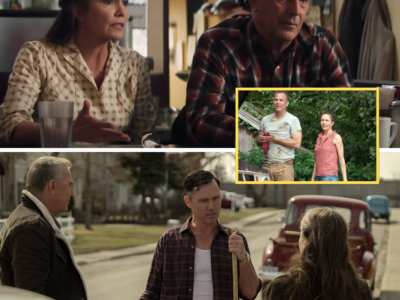
In the vast, unforgiving plains where the wind howls like a warning and the sky stretches endless over rolling hills that hide both beauty and brutality, an aging couple climbs into their old pickup truck. They are not chasing cattle rustlers or defending a sprawling ranch empire. They are ordinary people driven by grief and a fierce, unbreakable love — heading straight into the heart of darkness to save the only piece of their dead son that remains. Netflix has quietly reignited interest in Let Him Go, the 2020 neo-Western crime thriller now climbing global charts, and fans of Yellowstone are calling it the perfect gritty fix: raw, ruthless storytelling that drips with tension, moral complexity, and showdowns that leave you breathless.
Directed and written by Thomas Bezucha, adapted from Larry Watson’s novel, Let Him Go unfolds in 1961 across the rugged landscapes of Montana and North Dakota. It is not a flashy tale of billion-dollar land wars or political intrigue. Instead, it is a deeply personal, slow-burning revenge drama wrapped in gothic Western menace. The film delivers everything lovers of modern Westerns crave — fragile loyalty, buried secrets, sudden violence, and characters whose flaws feel painfully human. What begins as a quiet rescue mission spirals into a harrowing confrontation with a monstrous family that rules its territory through fear and blood. The result is a movie that feels both timeless and urgently contemporary: a meditation on how far parents will go when the system fails them and love turns into a weapon.
At the soul of the story stand Kevin Costner as retired sheriff George Blackledge and Diane Lane as his wife Margaret. Costner, fresh from his defining turn as John Dutton in Yellowstone, brings a weathered gravitas that feels like an extension of that iconic rancher — but stripped of empire and power. George is a man of few words, steady hands, and deep reservoirs of quiet strength. Costner plays him with masterful restraint: the slight slump of shoulders carrying unbearable loss, the way his eyes harden when danger appears, the reluctant acceptance that some fights cannot be avoided. His performance is career-defining in its subtlety — a man who once upheld the law now forced to break every rule for family. There is a profound sadness in his silences, yet when the moment demands, Costner unleashes a cold, efficient fury that reminds viewers why he remains one of the screen’s most compelling Western icons.
Opposite him, Diane Lane delivers a powerhouse turn as Margaret. Lane has always excelled at portraying women of steel wrapped in warmth, and here she is devastating. Margaret is the emotional engine of the film — the one who refuses to accept loss, who packs the car and insists they drive across state lines to reclaim their grandson. Lane layers the character with fierce maternal instinct, simmering grief, and a growing darkness as the situation deteriorates. Her eyes carry the weight of every unsaid regret; her voice cracks with desperate hope before hardening into resolve. The chemistry between Costner and Lane feels lived-in and authentic — decades of marriage shown in glances and small gestures rather than exposition. Together, they anchor the film in raw humanity, making every escalating threat feel intimately personal.
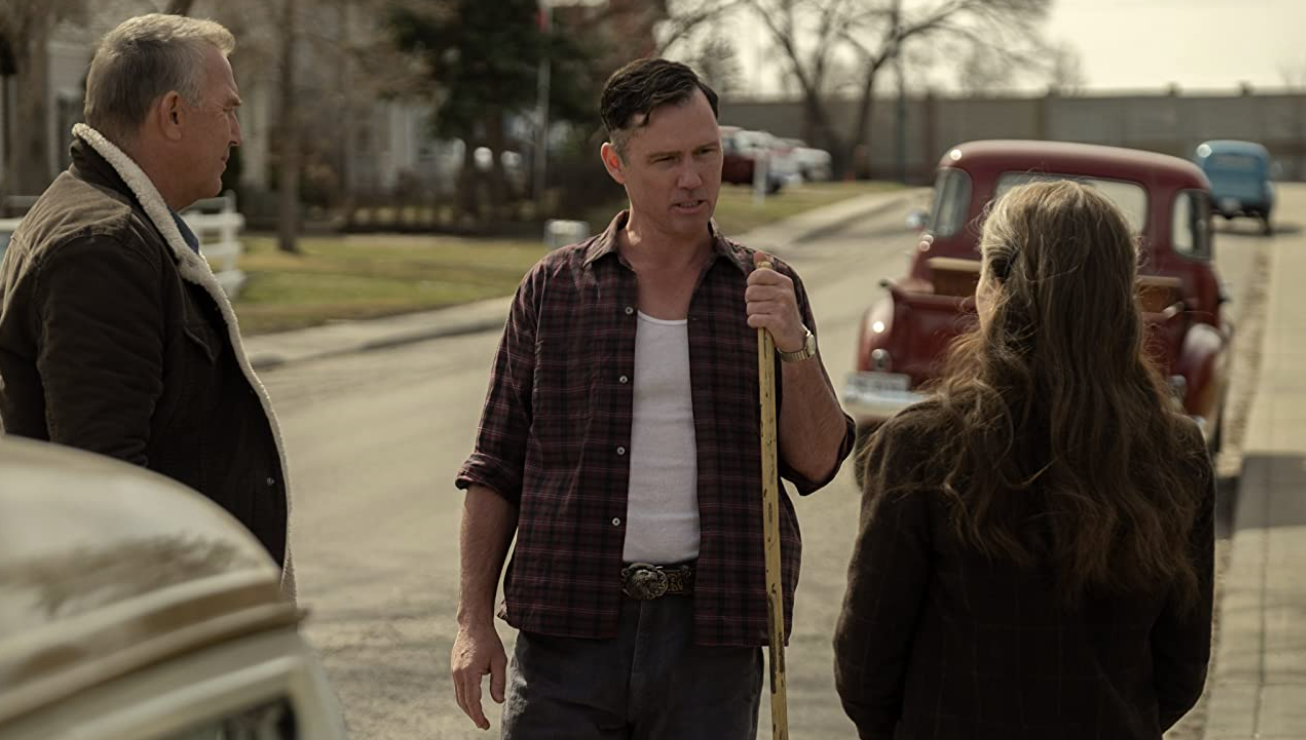
The antagonists elevate the stakes into pure nightmare territory. Lesley Manville is terrifying as Blanche Weboy, the iron-fisted matriarch of the Weboy clan. Manville, with her precise British intensity, transforms Blanche into a gothic monster in a housedress — smiling sweetly while radiating pure menace. She rules her dysfunctional, violent family with psychological control and casual cruelty. Her sons, including the volatile Donnie (Will Brittain) and his brothers, form a pack of unpredictable threats. The Weboy homestead feels like a trap disguised as home: isolated, decaying, and poisoned by generations of dysfunction. Every interaction with them crackles with dread, turning the film’s second half into a pressure cooker of suspense.
The core narrative is deceptively simple yet relentlessly escalating. After the tragic death of their son James in a riding accident, George and Margaret watch helplessly as his widow Lorna (Kayli Carter) falls into an abusive marriage with Donnie Weboy. The couple vanishes with little Jimmy, the Blackledges’ only grandson. Margaret, driven by grief and instinct, convinces a reluctant George to track them down in North Dakota. What they discover is far worse than imagined: the Weboys are a dangerous, insular clan that has no intention of releasing the boy. The Blackledges’ polite attempts at negotiation quickly collapse into a battle for survival.
Tension builds with masterful patience. Early scenes linger on the couple’s quiet routines and shared sorrow, letting the vast Western landscapes mirror their emotional emptiness. As they cross into Weboy territory, the tone shifts — wide-open skies give way to claustrophobic dread inside the family’s rundown compound. Every conversation is laced with subtext; every gesture could signal violence. The film excels at slow-burn suspense, where the threat feels omnipresent even in mundane moments.
The plot twists hit with brutal force because they emerge organically from character and circumstance rather than cheap shock. The Weboys’ true nature is revealed gradually — not through exposition but through chilling displays of control and sudden eruptions of brutality. One pivotal sequence reframes the entire power dynamic, showing how deeply the family’s influence runs and how little outsiders matter. Loyalties fracture in heartbreaking ways; what seems like a straightforward rescue becomes a fight for life itself. The climax delivers raw, unflinching violence that feels earned and devastating rather than glorified. No heroic speeches or tidy resolutions — just the cold reality of consequences when two worlds collide. The final moments linger on the emotional wreckage, forcing viewers to confront the cost of love turned vengeful.
Supporting performances add rich texture. Kayli Carter brings vulnerable complexity to Lorna, a young woman trapped between fear and fleeting hope. The Weboy brothers embody different shades of menace, making the family feel like a living, breathing threat rather than cartoon villains. Cinematography captures the rugged beauty of the American heartland with haunting clarity — golden fields and stormy skies contrasting the darkness unfolding below. The score underscores the tension with sparse, atmospheric dread.
What makes Let Him Go resonate so powerfully with Yellowstone fans is its shared DNA: morally complex characters navigating loyalty, legacy, and the brutal cost of protecting what’s yours in a changing world. Yet it stands apart in its intimate scale and unflinching realism. There are no sprawling ranches or political machinations here — just two aging parents risking everything for a child who may never fully understand the blood spilled in his name. The film trusts its audience to sit with discomfort, to feel the weight of every decision.
In an era of loud blockbusters, Let Him Go reminds us that the most gripping stories often unfold in quiet voices and stolen glances. Kevin Costner and Diane Lane deliver veteran performances that elevate the material into something unforgettable. Lesley Manville’s chilling Blanche lingers like a bad dream. The raw, ruthless storytelling pulls you in and refuses to let go until the final, haunting frame.
Netflix viewers who start watching for the Yellowstone connection stay for the emotional gut punches and masterful tension. This is not just another Western thriller. It is a story about how grief can forge ordinary people into something fierce and unbreakable — and how the line between justice and vengeance can vanish in the dust of a lonely road.
If you crave power struggles, dark family secrets, and intense showdowns set against a brutal Western backdrop, Let Him Go delivers in spades. Stream it now. But be warned: once you ride with the Blackledges, you won’t easily forget the journey — or the price they paid to bring their grandson home.
News

“THE ENDING LEFT EVERYONE SHOOK!” — Netflix’s “The Cleaning Lady” Delivers an Emotional Freefall and a Finale That Changes Everything
In the neon-drenched underbelly of Las Vegas, where the desert wind carries the scent of bleach and blood in equal measure, a woman in rubber gloves kneels on a marble…
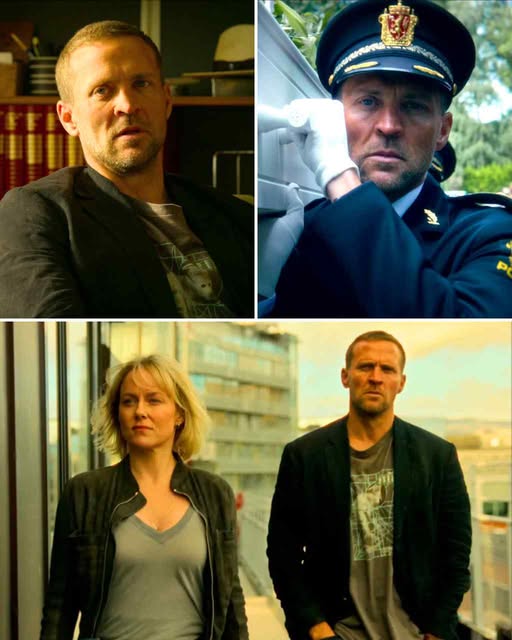
Netflix’s “Detective Hole” Explodes With 36.5 Million Hours Watched in One Week — Tobias Santelmann’s Tormented Harry Hole and Jaw-Dropping Twists Turn Nordic Noir Into a Global Obsession
In the freezing rain-slicked streets of Oslo, where the fjord winds carry whispers of old sins and the midnight sun barely touches the shadows, a man with hollow eyes and…
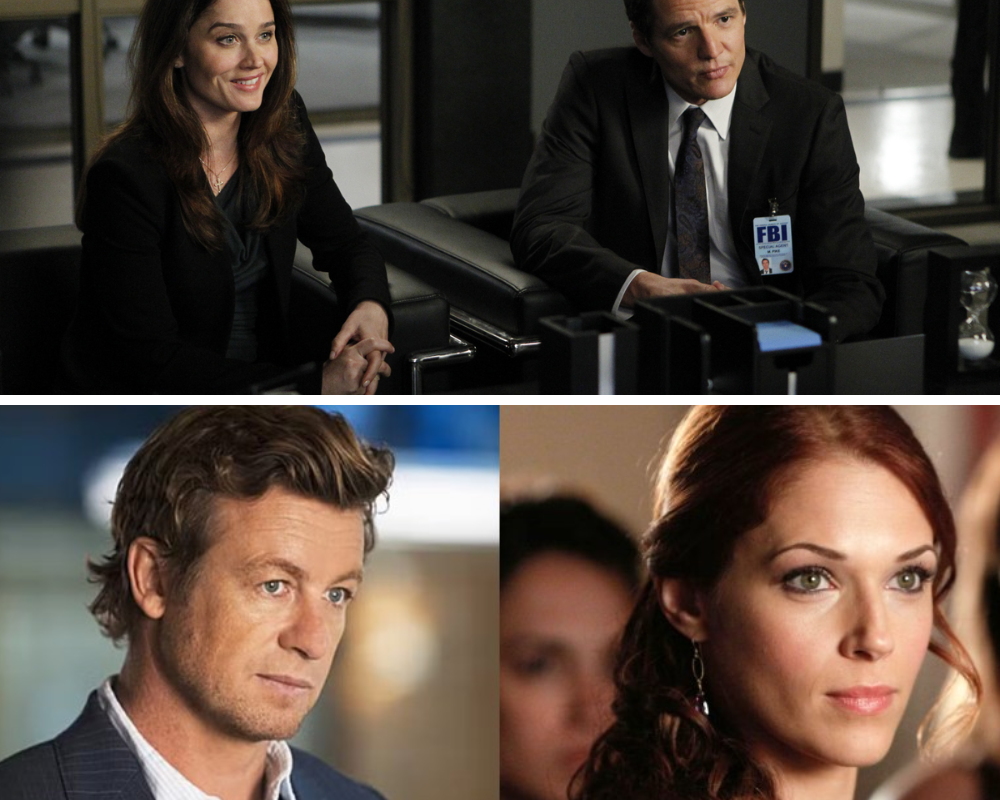
“The Mentalist” Is Surging on Netflix 11 Years Later — Why Simon Baker’s Charismatic Mentalist and That Slow-Burn Hunt for Red John Still Hook Viewers Like No Other Crime Show
In the golden haze of a California afternoon, where palm trees sway like indifferent witnesses and the Sacramento skyline glimmers with false promises, a man in a rumpled suit leans…
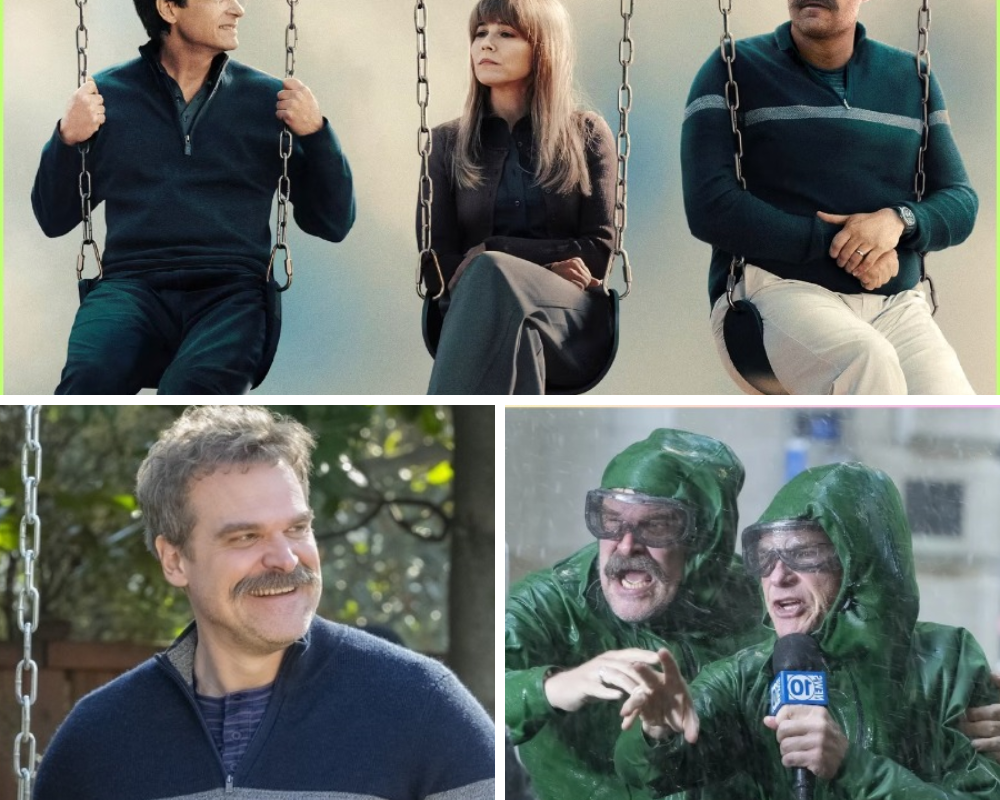
A Dark, Twisted Psychological Thriller Where Jason Bateman’s Slow-Burn Despair Meets David Harbour’s Explosive Rage, With Linda Cardellini as the Dangerously Captivating Woman at the Center of a Marriage-Shattering Disaster.
In the hazy glow of a St. Louis evening, where the Mississippi River whispers secrets to the tired suburbs, two men—lifelong friends bound by the quiet routines of local television—stumble…
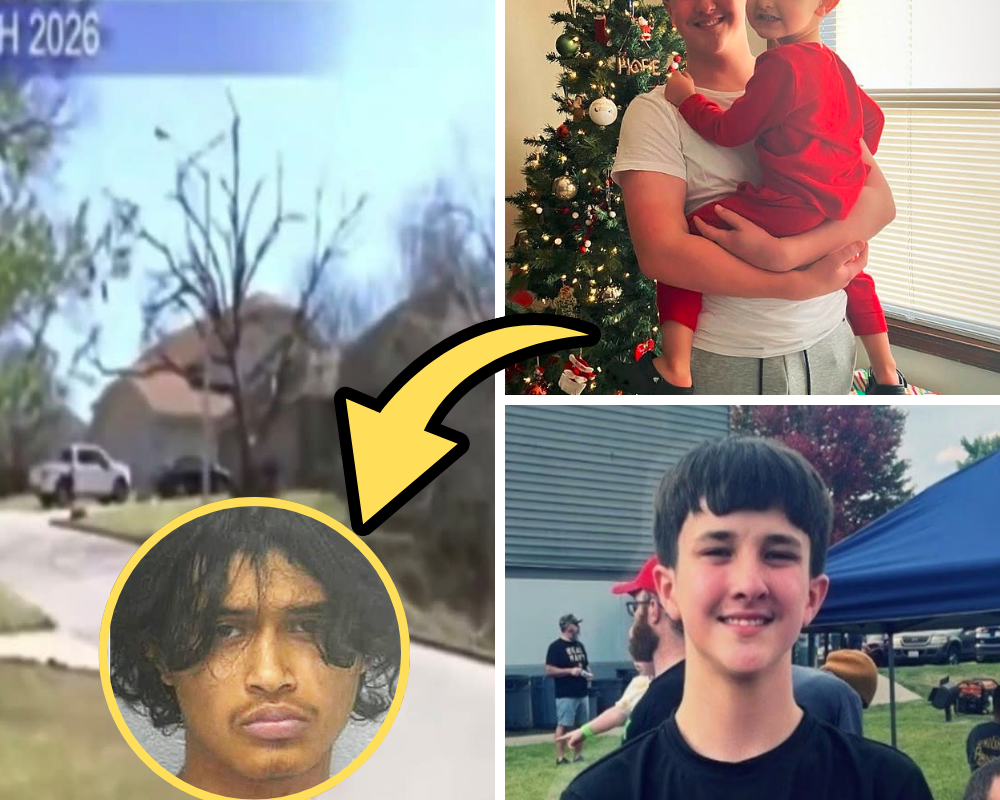
“He Was Warned She Didn’t Really Like Him… But He Still Went” — Best Friend’s Chilling Warning Ignored as 15-Year-Old Miles Young Walked Straight Into a Deadly Trap
On the evening of March 12, 2026, in southwest Springfield, Greene County, Missouri, 15-year-old Miles Young climbed into a black Mercedes, excited about what he believed was a long-awaited meet-up…

A Celebrity in the Tent… Then Silence: Why Channel 4 Has Pulled the Scott Mills Bake Off Episode
In the warm, flour-dusted world of The Great British Bake Off, where celebrities swap microphones and spotlights for aprons and rolling pins to raise money for charity, one episode was…
End of content
No more pages to load