It starts quietly, almost harmless — a family, a home, a sense of normalcy that feels carefully rehearsed. Then the first secret slips out, and everything fractures. With each episode, the lies grow heavier, the choices more desperate, and the danger more intimate, creeping through hallways that should feel safe. Fans say the real horror isn’t the violence — it’s watching love turn into leverage and loyalty into a weapon. The twist? By the time you realize who the real villain is, you’re already emotionally complicit — and hitting “next episode” feels unavoidable.
Animal Kingdom arrives on Netflix like a slow-moving storm rolling in off the Southern California coast. What begins as a story about a grieving teenager finding shelter with long-lost relatives quickly reveals itself as one of the most addictive, morally tangled crime sagas in recent television memory. Originally airing on TNT from 2016 to 2022 across six seasons and 75 episodes, the series — an American adaptation of the acclaimed 2010 Australian film — has found a massive new audience on the streaming platform. Viewers are binging it relentlessly, climbing charts, and flooding social media with confessions of sleepless nights and “just one more episode” spirals. In a landscape crowded with flashy heist shows and anti-hero dramas, Animal Kingdom stands out for its raw intimacy: the crime isn’t distant or glamorous; it lives in the kitchen, the bedroom, and the suffocating bonds of blood.
At the center is seventeen-year-old Joshua “J” Cody, played with quiet intensity and growing steel by Finn Cole (known to many from Peaky Blinders). After watching his mother die from a heroin overdose on the living room couch, J makes a desperate call to his estranged grandmother in Oceanside, California. What he finds is not a warm embrace but a sun-soaked fortress ruled by Janine “Smurf” Cody, portrayed by Ellen Barkin in a performance that is equal parts magnetic and monstrous. Smurf is the undisputed matriarch of the Cody family, a woman who orchestrates armed robberies, money laundering, and high-stakes cons with the same casual efficiency she uses to cook family dinners. Her “boys” — a volatile mix of biological sons and an adopted one — live in her shadow, bound by a toxic cocktail of love, fear, and dependency.
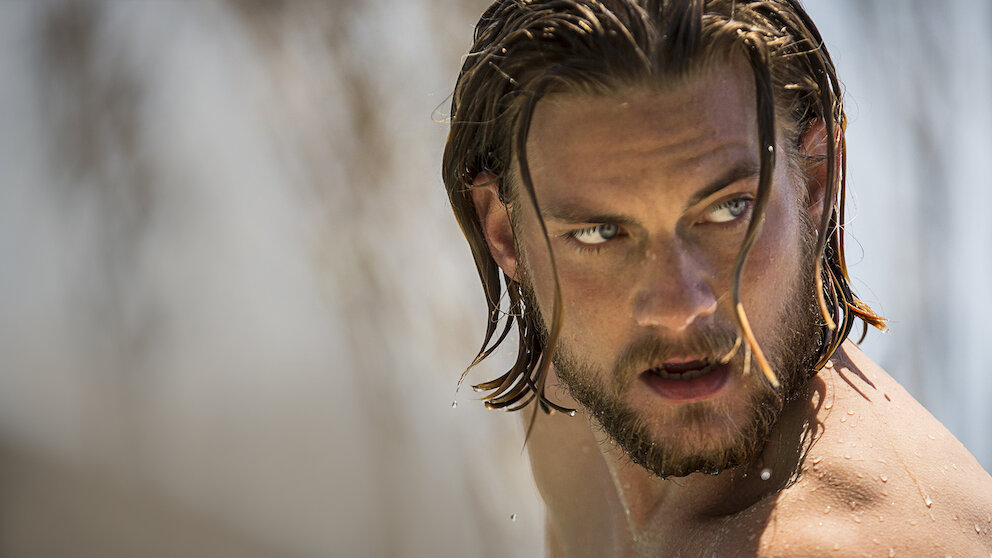
The Cody brothers form the chaotic heart of the series. Shawn Hatosy delivers a haunting, layered turn as Andrew “Pope” Cody, the eldest son fresh out of prison, battling severe mental health struggles and obsessive-compulsive tendencies. Pope is a powder keg of repressed rage and unexpected vulnerability, often serving as the family’s reluctant moral compass — or its most dangerous loose cannon. Ben Robson’s Craig is the adrenaline junkie, a party-hard surfer whose drug-fueled impulsiveness leads to reckless decisions both in and out of jobs. Jake Weary brings nuance to Deran, the youngest brother, whose journey includes coming to terms with his sexuality in a hyper-masculine criminal world while carving out his own identity beyond Smurf’s control. Scott Speedman rounds out the early seasons as Barry “Baz” Blackwell, Smurf’s adopted son and de facto leader of the heist crew, whose ambition and secrets create constant friction.
From the pilot onward, the show masterfully blurs the line between domestic drama and crime thriller. The Codys’ sprawling beach house, filled with jet skis, stolen goods, and simmering resentments, becomes a pressure cooker. Heists are planned over breakfast, betrayals whispered in hallways, and violence erupts during what should be ordinary family moments. Director and producers, including executive producer John Wells, craft episodes that feel both epic in scope and claustrophobically personal. The California setting — endless sunshine, crashing waves, and palm-lined streets — provides a deceptive backdrop of paradise that makes the underlying darkness even more unsettling. Cinematography captures the contrast beautifully: golden-hour surf sessions cut against tense stakeouts and brutal confrontations.
What truly hooks viewers, though, is the psychological depth. Animal Kingdom isn’t content with surface-level thrills. It dives headfirst into generational trauma, emotional manipulation, and the corrosive nature of unconditional loyalty. Smurf’s parenting style is a masterclass in control — she nurtures her sons with home-cooked meals and fierce protection, but also with boundary-blurring affection that borders on the incestuous, and punishments that can be lethally indirect. Flashbacks, used to brilliant effect especially in later seasons, peel back the layers of Smurf’s own traumatic past, revealing how she built her criminal empire and shaped her children into the damaged men they are. Barkin’s portrayal is never cartoonish; she makes Smurf terrifyingly human, a woman who genuinely believes her ruthless methods are acts of love.
As the seasons progress, power dynamics shift dramatically. J evolves from wide-eyed outsider to calculating player, forced to navigate alliances and moral compromises while harboring deep resentment toward the family that failed his mother. The brothers’ relationships fracture under the weight of secrets, jealousy, and competing ambitions. External threats — rival criminals, law enforcement, and personal demons — compound the internal rot. Yet the show never loses sight of the humanity in its characters. Even the most violent acts are rooted in pain, insecurity, or a desperate need for belonging. Viewers often find themselves rooting for these deeply flawed men, only to be confronted with the consequences of their choices.
The real horror, as many fans point out, lies in how love becomes currency. Loyalty in the Cody family is both shield and shackle. A brother might risk everything to protect another, yet the same bond can justify betrayal or murder when trust erodes. The series excels at making audiences complicit: you understand why a character makes a terrible decision, even as you cringe at the fallout. By mid-series, the question shifts from “Will they get away with the heist?” to “How much of themselves will they lose in the process?” The slow reveal of Smurf as the architect of so much dysfunction — the ultimate puppet master whose influence lingers even after her departure from the story — lands with devastating force. Many viewers argue she remains the series’ true villain, her legacy of manipulation echoing through every season.
Thematically, Animal Kingdom explores the illusion of family as sanctuary. In a world where blood is supposed to mean everything, the Codys prove that the people closest to you can inflict the deepest wounds. It examines toxic masculinity, the search for identity outside inherited roles, and the cycle of violence that repeats across generations. Substance abuse, mental illness, sexuality, and class resentment all weave through the narrative without feeling preachy. The writing trusts the audience to sit with moral ambiguity rather than handing out easy heroes or villains.
Performances across the board elevate the material. Hatosy’s Pope stands as one of television’s most complex portrayals of mental fragility wrapped in brute strength. Cole’s J grows convincingly from hesitant teen to hardened survivor. The supporting ensemble, including strong female characters like Nicky and later additions who challenge the boys’ worldview, adds texture and prevents the show from becoming a purely macho exercise. Chemistry among the cast feels lived-in — arguments crackle with history, rare tender moments hit harder because they are so fleeting.
Pacing is another strength. Early episodes hook with world-building and introductions to the criminal lifestyle, while later seasons deepen character arcs and raise stakes through long-brewing conflicts. Heists are tense and inventive, but they serve the drama rather than overshadowing it. When violence comes, it is visceral and consequential, never glorified for its own sake. The final season delivers a reckoning years in the making, tying together flashbacks and present-day betrayals in an emotionally charged conclusion that leaves many fans devastated yet satisfied.
Animal Kingdom’s Netflix resurgence makes perfect sense in today’s viewing climate. After concluding on TNT, the complete series offers the perfect binge: six seasons of escalating tension without the wait between episodes. New viewers, especially those drawn to gritty family sagas like Succession (minus the corporate gloss) or the moral quagmires of Ozark and Breaking Bad, discover a show that combines high-octane action with profound emotional stakes. Fans praise its rewatch value — spotting early clues to later twists, appreciating nuanced performances on second viewings, and debating character motivations endlessly online.
In an era of quick-hit content, Animal Kingdom demands investment. It rewards patience with rich storytelling that lingers. You don’t just watch the Codys commit crimes; you live inside their fractured kingdom, feeling the pull of loyalty even as it destroys them. The series reminds us that the most dangerous traps aren’t the ones set by enemies outside — they’re the ones we inherit from the people who claim to love us most.
If you’ve been scrolling past it on Netflix, consider this your warning. Press play once, and the Cody family will pull you in. The sun may shine on Oceanside, but inside that beach house, the shadows run deep. By the time the credits roll on the finale, you may not have slept much — but you’ll have experienced one of the most gripping, unflinching explorations of family, crime, and consequence ever put on screen. Just don’t say nobody told you it was a trap. Once you’re inside the Animal Kingdom, getting out feels impossible — and somehow, you won’t want to.
News
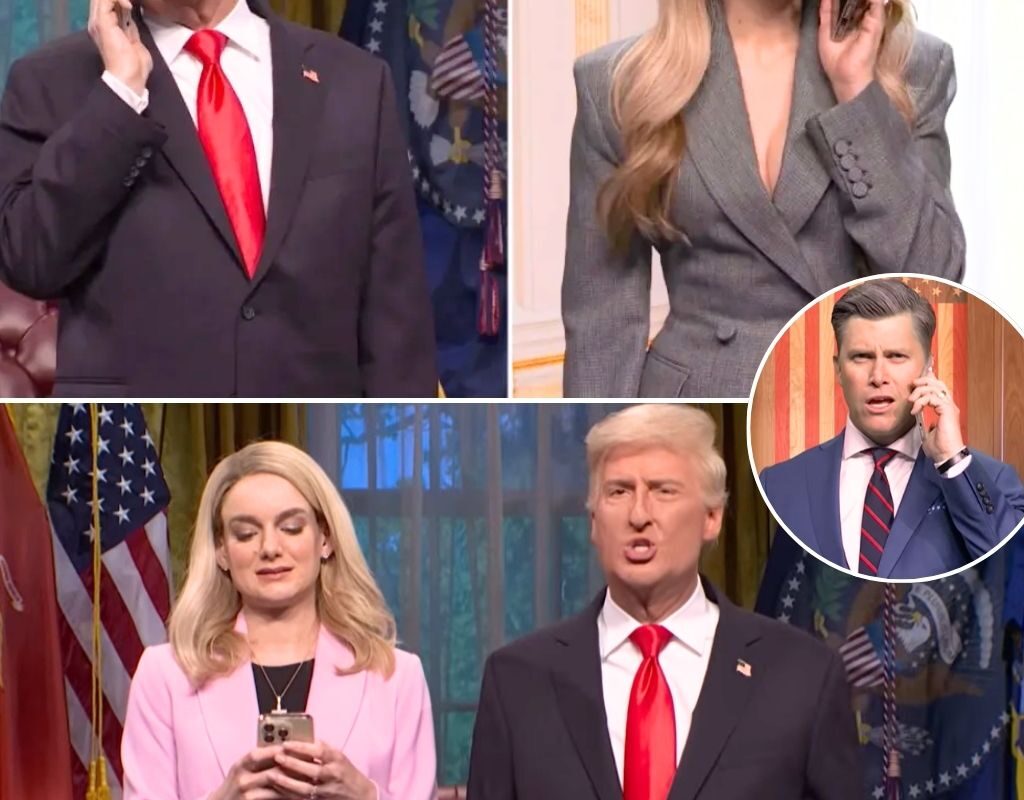
‘DARLING… PLEASE TELL ME THIS IS A JOKE’ — Saturday Night Live COLD OPEN GOES FULL CHAOS AS Melania Trump’S ‘EPSTEIN PRESS CONFERENCE’ IDEA SENDS US President INTO PANIC: ‘YOU’RE MAKING IT WORSE… STOP TALKING!’!
“Darling… I gotta be honest, this sounds a little insane.” That’s how James Austin Johnson’s version of the US President kicked off the chaos during the latest cold open on…
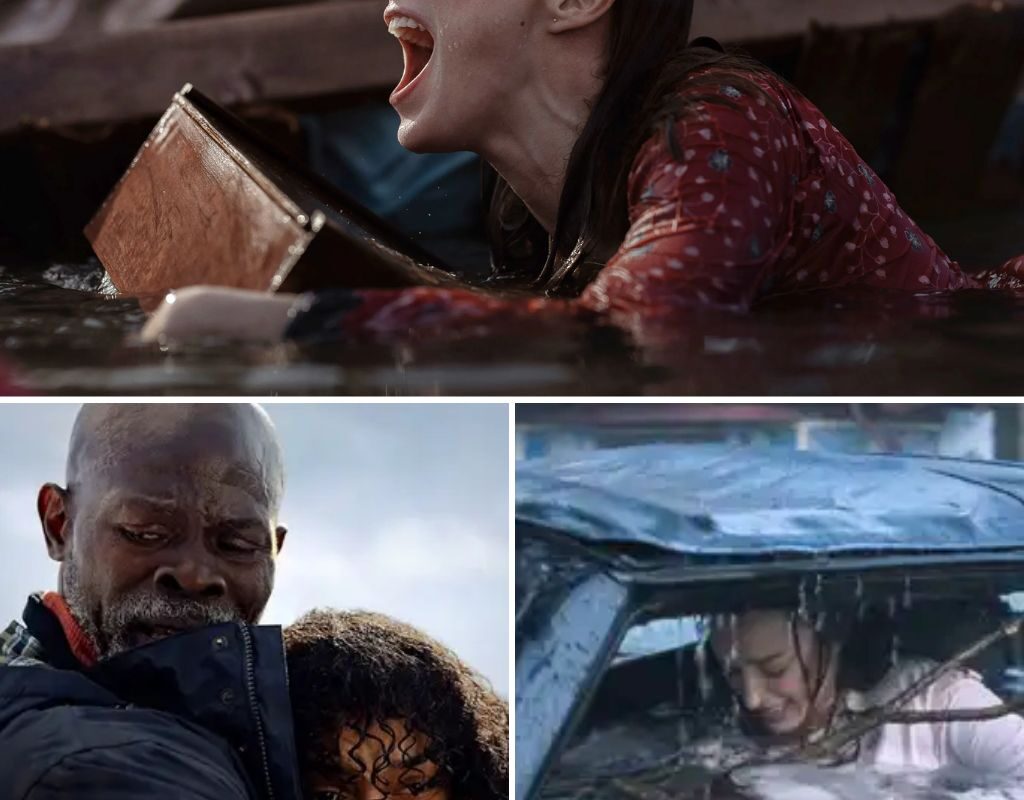
NETFLIX VIEWERS CAN’T BREATHE DURING ‘PHENOMENAL’ SURVIVAL THRILLER — ‘I WAS TENSE ALL THE WAY THROUGH’ AS SHOCKING NEW SHARK HORROR STORMS TO #1 WORLDWIDE!
Netflix viewers are completely hooked on a “phenomenal” new survival thriller that’s leaving audiences watching from behind their hands. Starring Bridgerton actress Phoebe Dynevor, the film has quickly surged to…
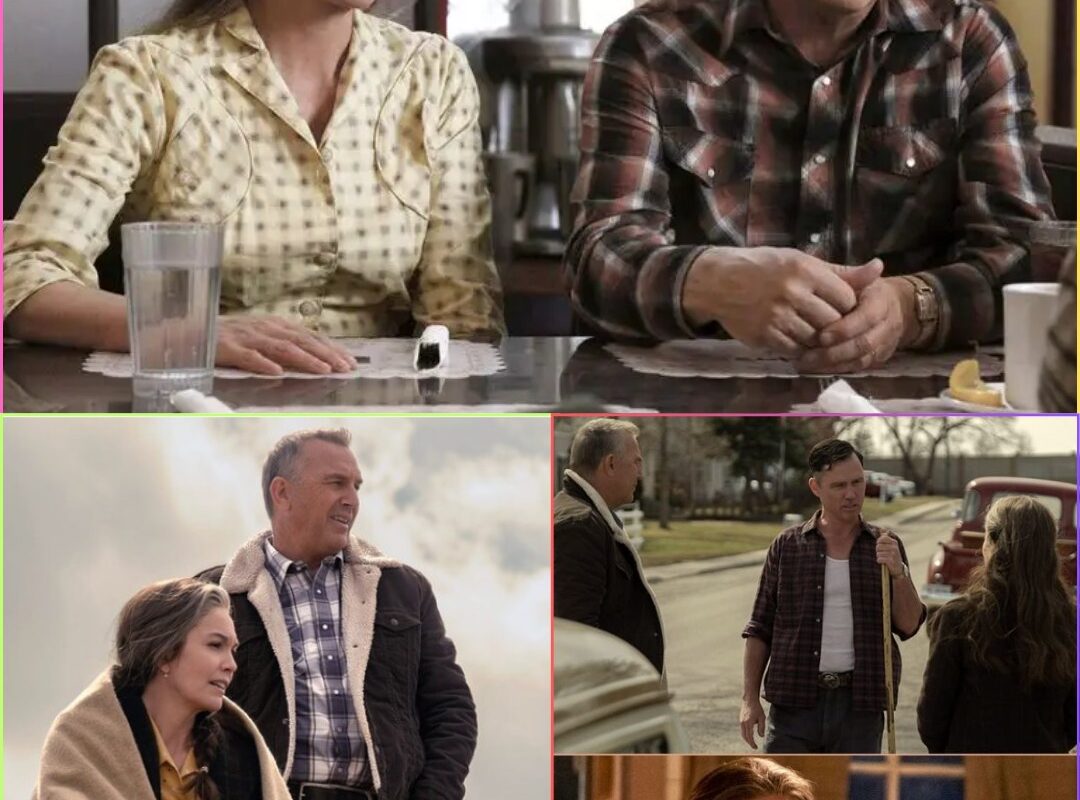
No one saw this slow-burn thriller coming — and now everyone is talking about it.
Netflix has quietly pushed a chilling neo-Western crime drama back into the spotlight, and viewers are completely hooked. Starring Kevin Costner and Diane Lane, this haunting 2020 film is climbing…

Cardi B Reaches Out to Estranged Husband Offset After Casino Shooting as Gambling Debts Pile Up
Offset’s latest brush with violence has once again thrust the Atlanta rapper into the spotlight, this time with layers of personal, financial, and relational drama unfolding in rapid succession. On…
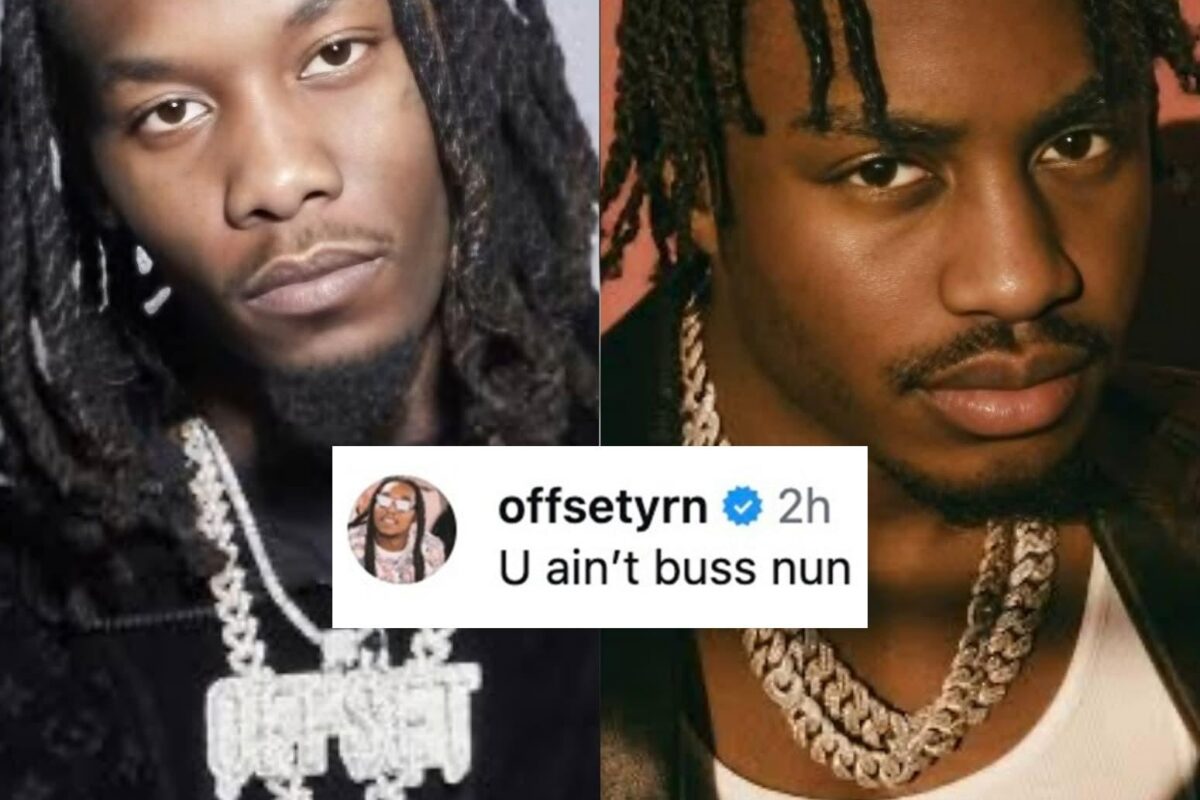
Offset Claps Back from Hospital Bed: “U Ain’t Buss Nun” After Lil Tjay Calls Him a “Rat” in Casino Shooting Drama
Offset has broken his silence just days after being shot in the leg outside the Seminole Hard Rock Hotel & Casino in Hollywood, Florida. The former Migos rapper, recovering in…

Lil Wayne and Taylen Biggs: How a Child’s Artwork Sparked a Lifelong Father-Daughter Bond Built on Love
In the world of hip-hop, where larger-than-life personas and street credibility often dominate headlines, few stories capture the heart quite like the relationship between Lil Wayne and Taylen Biggs. What…
End of content
No more pages to load