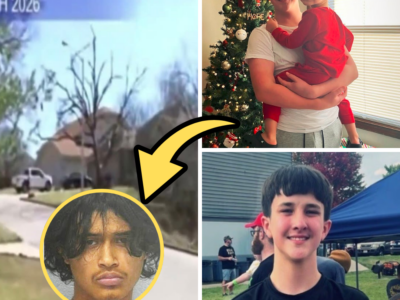
On the evening of March 12, 2026, in southwest Springfield, Greene County, Missouri, 15-year-old Miles Young climbed into a black Mercedes, excited about what he believed was a long-awaited meet-up with a girl. It was supposed to be a simple, thrilling encounter — perhaps even leading to something more intimate. Instead, it became a meticulously planned ambush that ended with the terrified teenager running for his life, pleading “I just don’t want to die” moments before he was shot in the chest and killed.
His best friends had warned him. They told him the girl “didn’t really like him.” They sensed something was off — a setup. One witness later told investigators the girl had previously blamed Miles for a 2025 homicide case. Yet Miles went anyway. That decision cost him his life.
What unfolded that night has left a community grieving, parents terrified, and online commentators demanding answers about online deception, teenage impulsiveness, and the hidden dangers of seemingly innocent meet-ups arranged through phones and social media.
According to court documents and probable cause statements released in the days following the killing, the trap was not random. Prosecutors allege that a juvenile female (referred to as J1 in documents) contacted Miles, leading him to believe she wanted to meet for sexual intercourse. Before picking him up, she, along with 18-year-old Yefry Archaga and others, reportedly drove around Springfield discussing “setting up” the 15-year-old. They allegedly tracked his location and coordinated with a second vehicle to box him in so he couldn’t escape.
When the Mercedes arrived to collect Miles, two of his friends — identified as witnesses W1 and W2 — explicitly warned him not to go. They felt it was a “setup.” They pointed out that the girl had previously expressed dislike for Miles and appeared to blame him for the earlier homicide. Miles ignored the warnings and left with her anyway.
What happened next was swift and brutal. Prosecutors say the group ambushed Miles in a coordinated attack. He realized too late that he had been lured into danger. Witnesses described how the terrified teen ran on foot while masked individuals chased him. One witness was on a FaceTime call with Miles during the final moments and heard his desperate plea: “I just don’t want to die.” Gunshots followed. Miles was shot in the chest. He was rushed to Cox South Hospital but was pronounced dead.
Yefry Archaga, 18, faces first-degree murder and armed criminal action charges. He is being held without bond and under a federal ICE detainer. A second 18-year-old, Praize King, has also been charged with first-degree murder and armed criminal action in connection with the ambush. A juvenile suspect (J1) was involved in luring Miles, according to authorities.
The best friend’s warning — the detail that “she doesn’t really like you” and that it felt like a setup — has become one of the most haunting elements of the story. It raises painful questions that every parent and teenager must now confront: How often do young people dismiss red flags because hope, hormones, or teenage bravado override caution? In an age where strangers can easily pose as someone attractive online, how do we teach kids to listen when friends say “something feels wrong”?
Miles Young was just 15 — a boy on the cusp of adulthood, full of the typical mix of curiosity and invincibility that comes with that age. Friends and family have described him as a vibrant teenager whose life was stolen in a cruel, calculated way. His final words, captured on a FaceTime call, echo painfully: a child begging for the chance to live, realizing too late that the excitement of meeting a girl had turned into a nightmare.
The alleged motive appears tied to a previous 2025 homicide case, with J1 reportedly blaming Miles. If proven, it transforms the killing from a random act of violence into a premeditated revenge plot disguised as a romantic encounter — a modern-day trap using the oldest lure in the book: the promise of a girl’s attention.
The case has ignited fierce debate online and in local communities. On platforms like Facebook and X, many have focused on the immigration status of Yefry Archaga, noting the ICE detainer and calling for stricter enforcement. Others highlight the broader dangers facing teens in the digital age — catfishing, grooming tactics repurposed for violence, and the ease with which location tracking and group coordination can turn a simple meet-up deadly.
Parents across Missouri and beyond are sharing the story with urgent warnings to their own children: “If your friends say it feels off, listen.” “Never ignore that gut feeling.” “A girl (or guy) who suddenly wants to meet after showing disinterest is a massive red flag.”
The Greene County community is mourning deeply. Springfield, a city that has seen its share of youth violence, now grapples with yet another heartbreaking loss of a young life. Vigils and tributes have begun to appear, with many emphasizing that Miles deserved better — he deserved to have his friends’ warnings heard, and he deserved a future unmarred by senseless revenge.
As the legal process moves forward, prosecutors will seek to prove that Archaga and others deliberately planned and executed the ambush. The probable cause statement paints a picture of cold calculation: discussions of the setup, tracking the victim, using vehicles to trap him, chasing him down, and firing the fatal shot while he begged for mercy.
For Miles’ family and friends, no conviction can undo the pain. They are left with the knowledge that a few words of caution — “She doesn’t really like you… it feels like a setup” — went unheeded, and that a 15-year-old boy’s hope for connection led him straight into the hands of those who meant him harm.
This tragedy serves as a stark, modern warning. In an era of instant messaging and easy meet-ups, the line between innocent teenage excitement and mortal danger can blur in seconds. Best friends see the red flags that infatuation blinds us to. Gut feelings exist for a reason. And sometimes, the most dangerous traps come wrapped in the promise of romance.
Miles Young thought he was meeting a girl. His best friend tried to stop him. He went anyway — and walked into a nightmare that ended with his final, desperate plea for life.
As investigators continue building the case and the community mourns, one question lingers for every parent, every teenager, and every friend who has ever given or received a warning: Will we listen next time?
The suspects remain in custody. The coroner’s findings and full court proceedings will reveal more in the coming weeks. But for now, Miles Young’s story stands as a heartbreaking reminder: sometimes the most important words are the ones we choose to ignore — at our peril.
News

A Celebrity in the Tent… Then Silence: Why Channel 4 Has Pulled the Scott Mills Bake Off Episode
In the warm, flour-dusted world of The Great British Bake Off, where celebrities swap microphones and spotlights for aprons and rolling pins to raise money for charity, one episode was…
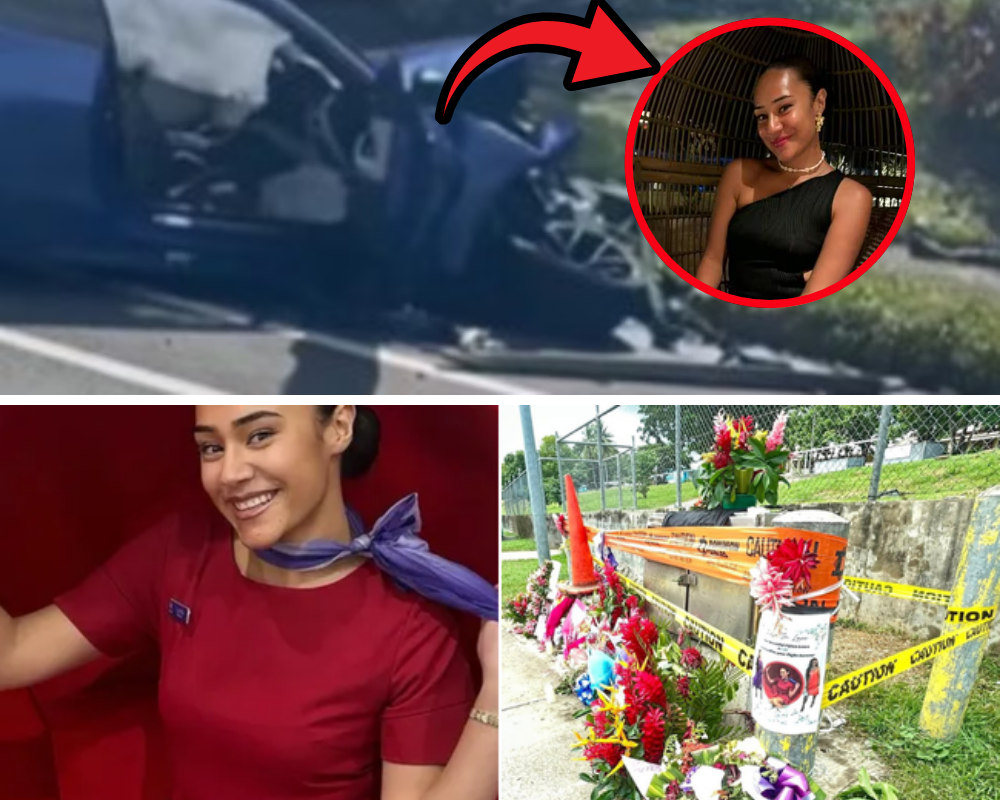
“I Never Thought My Mistake Would Take Such a Beautiful, Talented Girl” — Taxi Driver Breaks Down in Tears Over Lucinta Evans’ Death
In the early hours of 28 March 2026, in the bustling suburb of Martintar near Nadi International Airport in Fiji, a young woman’s life ended in a split-second of chaos…
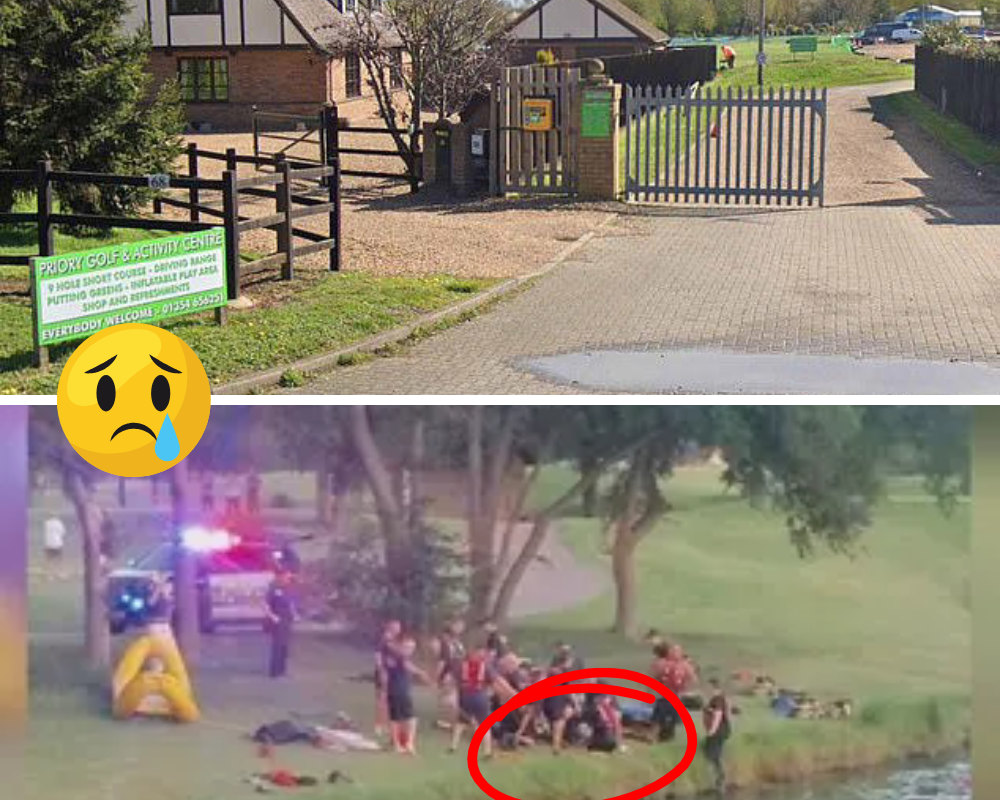
Another Boy, 7, Drowns in Golf Club Pond at Wimblington — The Heartbreaking Question Every Parent Is Asking
It was supposed to be a joyful Easter Monday family fun day. The sun was out, laughter echoed across the fairways, and children ran freely at the Priory Golf &…
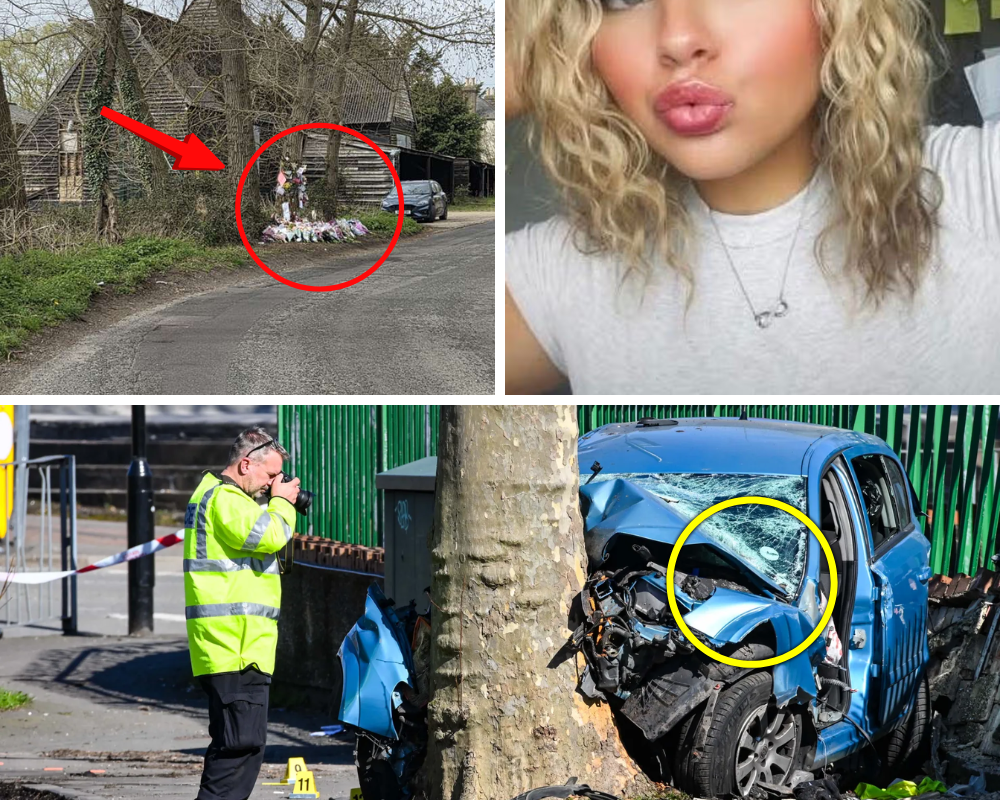
A Strange Detail Inside the Car: The Chilling Question That Could Explain Megan Swann’s Tragic Death
On a quiet country lane in Hertfordshire, under the cover of darkness, a blue Ford Fiesta carrying four teenagers veered sharply off the road. It slammed into a tree with…

“A quiet road… a sudden crash… and questions no one can answer” — 17-year-old Megan Swann’s final moments spark chilling mystery
On a peaceful country lane in Hertfordshire, under the cover of a cool March evening, four teenagers were laughing together in a blue Ford Fiesta. It was just after 9…
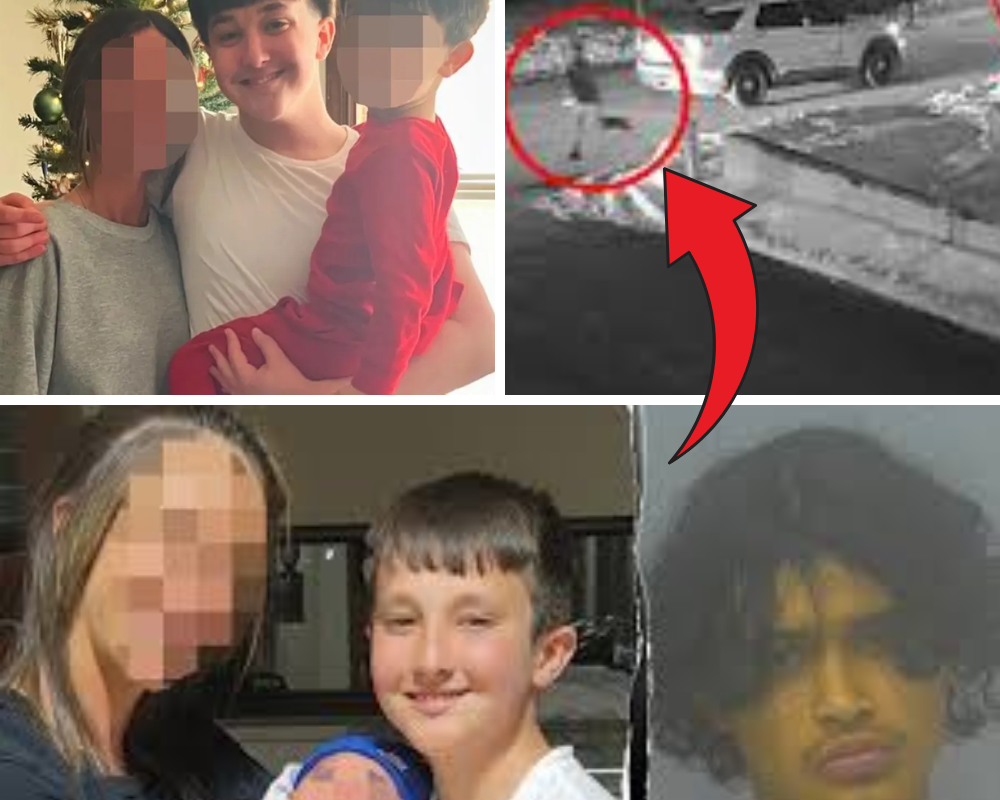
“I Just Don’t Want to Die”: The Final, Heartbreaking Plea of 15-Year-Old Miles Young – A Teen Who Thought He Was Meeting a Girl, But Walked Straight Into a Deadly Ambush
On March 12, 2026, in southwest Springfield, Greene County, Missouri, near West Maplewood Street, Miles Young was gunned down in what prosecutors describe as a cold-blooded, premeditated ambush. What began…
End of content
No more pages to load