The quiet meadow at Ashford became a graveyard of hope in the most shocking moment yet from HBO’s A Knight of the Seven Kingdoms. Episode 5, “In the Name of the Mother,” ended not with triumphant cheers for Ser Duncan the Tall’s improbable victory in the Trial of Seven, but with a horrifying silence as Prince Baelor Targaryen—the shining heir to the Iron Throne, the realm’s most honorable prince—collapsed lifeless in Dunk’s arms. One brutal blow from his own brother’s mace crushed his skull beneath the helm. No dragonfire, no grand betrayal, no battlefield glory—just a quiet, intimate tragedy that changed Westeros forever.
The Trial of Seven had been brutal. Dunk, the lowborn hedge knight accused of crimes he didn’t commit, fought for his life and honor against Prince Aerion Targaryen “Brightflame” and his allies. Baelor “Breakspear,” Hand of the King and heir apparent to his father King Daeron II, shocked everyone by declaring for Dunk’s side. He believed in justice over family loyalty, in protecting the innocent even when it meant standing against his own kin. The Kingsguard, sworn to protect the royal family, could not strike him—giving Dunk’s team a desperate edge. The battle raged in mud and blood: swords clashed, lances shattered, men fell. Dunk subdued Aerion, forcing a yield. Victory seemed secured.
Then came the aftermath. Raymun Fossoway and the blacksmith Steely Pate helped the wounded Dunk while Baelor approached, offering words of wisdom and the aid of his maester. Dunk knelt, pledging fealty to the prince he had just fought beside. Baelor, ever gracious, replied that the realm needed good men like him. But something was wrong. Baelor’s voice faltered. His fingers felt like wood. The visor of his helm was cracked. When they tried to remove it, the truth emerged in horrifying clarity: the back of the helm had been crushed—likely by Maekar’s mace during the melee. As the helmet came off, so did the back of Baelor’s skull. Blood and bone spilled. The prince staggered, turned, and collapsed into Dunk’s arms, dead before he hit the ground.
The scene was devastating in its intimacy. No epic music swell, no slow-motion glory—just raw shock. Dunk cradled the dying heir, whispering in disbelief. Baelor’s final moments were quiet, almost gentle, his body going limp in the arms of the man whose honor he had defended. The crowd’s roar faded to stunned silence. This was no dragon battle, no Red Wedding betrayal. It was one swing of a mace in the chaos of combat—accidental, fratricidal, irreversible.
George R.R. Martin’s The Hedge Knight—the novella this series faithfully adapts—always hinged on this death. Baelor Breakspear was the hope of the realm: wise, just, beloved, the perfect king-to-be. His survival would have changed everything. Instead, his death triggered a cascade of succession crises, Blackfyre rebellions, and the weakening of Targaryen rule that eventually led to the dragons’ extinction and the chaos of Game of Thrones. Without Baelor, the throne passed to less capable hands. The realm fractured. Daeron the Good’s reign faltered. The seeds of rebellion took root. The Mother of Dragons—Daenerys Targaryen—exists on the path to the throne centuries later because Baelor didn’t survive Ashford Meadow.
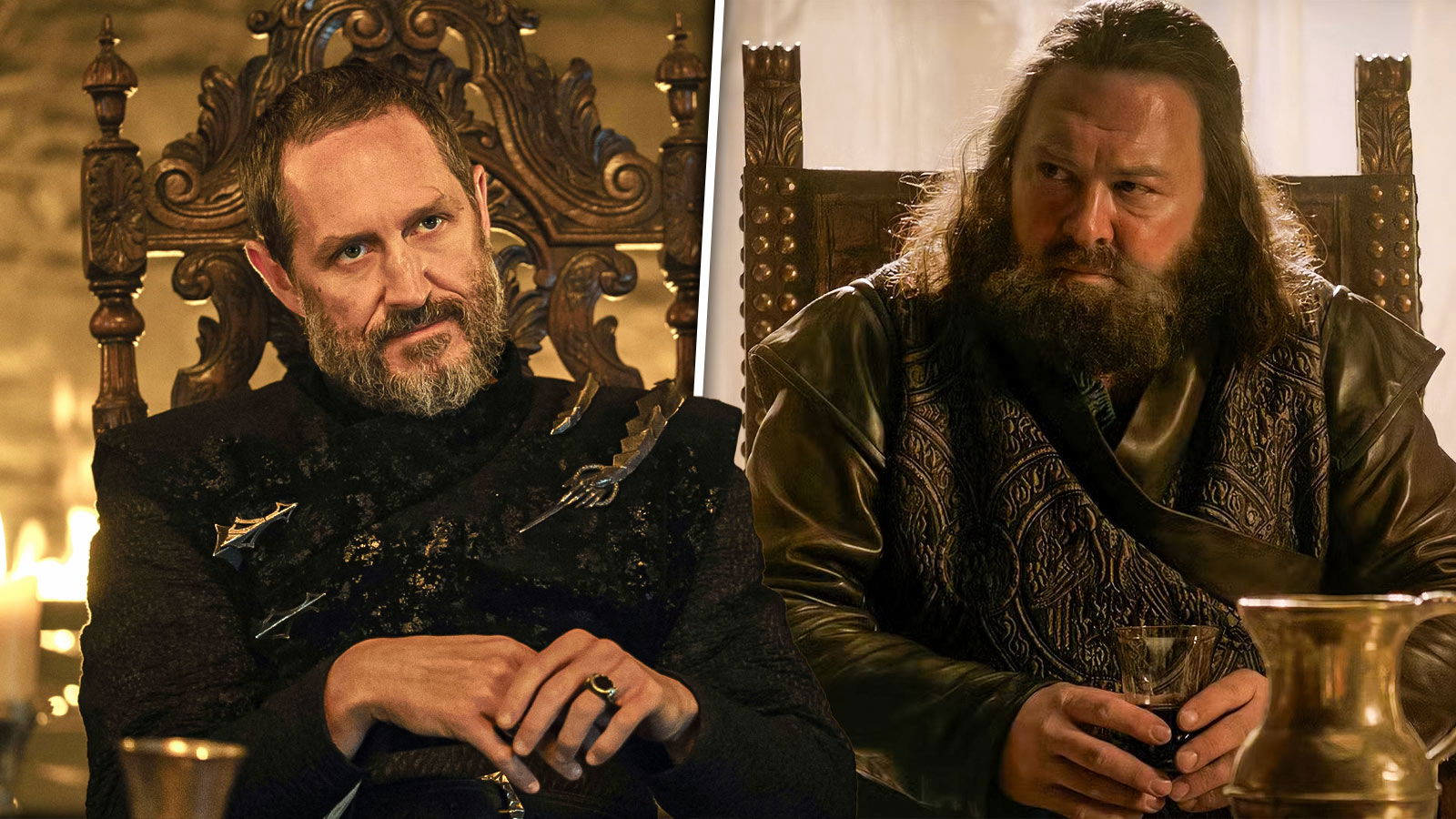
The show captures this seismic shift with brutal precision. Bertie Carvel’s Baelor is everything the books promise: noble, honorable, quietly commanding. His death isn’t drawn out for melodrama; it’s sudden, shocking, and intimate. Dunk’s horror mirrors the viewer’s. The camera lingers on the blood pooling in the mud, on the prince’s lifeless eyes, on the weight of what just happened. This wasn’t just a character death. It was the moment Westeros lost its best hope for peace and stability.
Fans of Game of Thrones recognize the echo. Ned Stark’s execution in Season 1 shattered illusions of justice. Baelor’s death serves the same purpose here: reminding us that in Westeros, honor is often fatal. Good men die for doing the right thing. The realm suffers for it.
The episode builds to this gut-punch masterfully. Flashbacks to Dunk’s Flea Bottom childhood add emotional layers, showing how far the hedge knight has come. The Trial of Seven is visceral—mud, blood, broken lances—but the real devastation comes after. Baelor’s final words to Dunk—“I need good men, Ser Duncan. The realm…”—hang heavy as he dies. Dunk’s grief is palpable. The future king of Westeros is gone, felled not by ambition or treachery, but by a single, unintended blow from his own brother Maekar.
This moment rewrites Targaryen history. Baelor’s sons Valarr and Matarys would have followed him to the throne in time. Instead, succession passed to Aerys I (the bookish, dragonless king) and then to Maekar himself—whose reign was marked by paranoia, rebellion, and tragedy. The Blackfyre pretenders rose because the realm questioned Targaryen strength after losing Breakspear. The dragons dwindled. The Dance’s scars never fully healed. Daenerys’ claim, generations later, rests on this fragile line—because Baelor didn’t survive that tourney.
The show stays faithful to Martin’s novella while amplifying the emotional weight. The Trial is brutal but not gratuitous. Baelor’s death is quick, shocking, intimate—exactly as in the books. No dragons in the sky were needed to change destiny. Just one swing of a mace.
As Season 1 races toward its finale, Baelor’s death hangs over everything. Dunk survives, but at what cost? The realm’s future king is gone. Maekar must live with fratricide. Egg (young Aegon V) watches his uncle die. The path to Summerhall, to the Blackfyre Rebellions, to Robert’s Rebellion, begins here—in the mud of Ashford Meadow.
One brutal second. One swing. Everything changed.
Westeros doesn’t need dragons to rewrite history. Sometimes it only takes a single, tragic blow.