Harry’s Security Saga Ignites Fury: Demanding UK Taxpayer Funds While Jetting to Risky Spots – A Calculated Jab at William Amid Royal Meltdown?
In a move that’s sparked widespread outrage and endless debate, Prince Harry has once again thrust himself into the spotlight with his relentless push for British taxpayer-funded security during visits to the UK—all while embarking on high-profile trips to potentially dangerous destinations that critics argue are nothing more than image-rehabilitation stunts. As of early 2026, with the Royal Family reeling from the explosive scandal surrounding Prince Andrew’s arrest tied to the Jeffrey Epstein saga, Harry’s demands are being viewed by many as a poorly timed, calculated blow to his brother, Prince William, who’s already shouldering the burden of stabilizing a monarchy on the brink. Adding fuel to the fire, revelations about Harry and Meghan’s so-called “fake royal trips,” like their controversial 2024 Nigeria visit, have exposed what detractors call a brazen plan to mimic official royal duties without the accountability or endorsement of the Crown.
The saga traces back to 2020, when Harry and Meghan stepped down as senior royals and relocated to California, citing a desire for independence and privacy. In the process, Harry lost his automatic entitlement to state-funded police protection in the UK, a decision made by the Executive Committee for the Protection of Royalty and Public Figures (RAVEC). This meant that any visits to Britain would require him to notify authorities in advance for case-by-case assessments, often resulting in scaled-back security or none at all. Harry has repeatedly argued that this puts him and his family at unacceptable risk, pointing to death threats, media harassment, and his high-profile status as reasons why full armed protection is essential. “I cannot put my wife in danger like that, and given my experiences in life, I am reluctant to unnecessarily put myself in harm’s way too,” he stated in legal documents during his multi-year court battle.
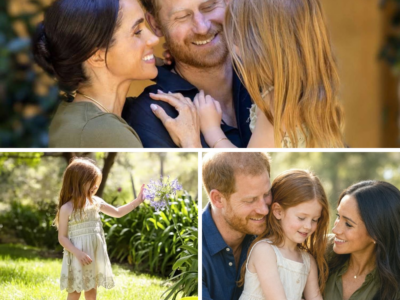
Fast forward to 2026, and the Home Office is now conducting a fresh review of Harry’s security arrangements, prompted by his direct appeal to the new Home Secretary, Shabana Mahmood. Insiders suggest the outcome is leaning positive, with sources indicating that Harry meets the criteria for reinstated taxpayer-funded armed guards. This could pave the way for family visits, allowing his children, Archie and Lilibet, to spend time with their grandfather, King Charles III. Proponents see it as a fair resolution, acknowledging Harry’s lifelong exposure to threats stemming from his royal birthright and military service. But critics are livid, branding it an outrageous demand from a man who voluntarily walked away from royal duties yet expects the British public to foot the bill for his occasional returns.
The hypocrisy, they argue, is glaring. While Harry claims the UK is too dangerous for his family without elite protection, he’s shown no hesitation in venturing into far riskier territories abroad—often with private security in tow. Take his 2024 trip to Nigeria with Meghan, a three-day whirlwind that included charity events, cultural engagements, and meetings with local leaders. On the surface, it was billed as an extension of their Invictus Games work and Meghan’s exploration of her Nigerian heritage (revealed via a genealogy test). But the visit drew sharp criticism for its “quasi-royal” vibe: the couple was greeted with pomp, including national anthems, red carpets, and official receptions, all while traveling on private jets and flanked by heavy security details. Detractors dubbed it a “fake royal tour,” accusing the Sussexes of aping the very institution they fled, complete with photo ops and scripted speeches designed to burnish their global brand.

Nigeria, at the time, was grappling with significant security challenges—Boko Haram insurgency in the north, kidnappings, and communal violence—prompting the UK Foreign Office to issue travel warnings for certain regions. Yet Harry and Meghan proceeded, visiting Abuja and Lagos without apparent concern for the “war zone” elements highlighted by critics. “If the UK is too perilous without taxpayer-funded guards, how does he justify waltzing into Nigeria for a PR boost?” one commentator quipped. The trip’s optics were further tarnished when Nigeria’s First Lady publicly critiqued Meghan’s wardrobe choices as “nakedness,” contrasting them with the modesty expected in African culture. Social media erupted with accusations of cultural insensitivity and self-promotion, with some labeling the Sussexes “rogue royals” exploiting developing nations for relevance.
This pattern extends beyond Nigeria. Harry’s solo trips to places like Colombia in 2024—another country with high crime rates and travel advisories—and even his 2025 visit to Ukraine amid ongoing conflict have been cited as evidence of selective risk-taking. In Ukraine, he met with veterans and discussed mental health, but critics pointed out the irony: demanding UK protection while entering actual war zones for “humanitarian” photo opportunities. These excursions, often tied to the Archewell Foundation or Invictus Games, are seen by skeptics as calculated efforts to rebuild Harry’s tarnished public image—from war hero to global advocate—while subtly undermining the working royals back home.
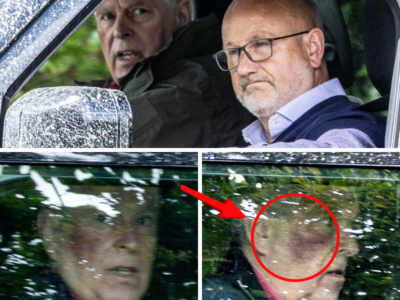
And that’s where the alleged blow to William comes in. As the heir apparent, Prince William has been thrust into the role of royal stabilizer amid a cascade of crises. The most devastating is the 2026 arrest of Prince Andrew (now stripped of his title and referred to as Andrew Mountbatten-Windsor) in connection with fresh Epstein revelations. Andrew’s detention for questioning over allegations of sexual misconduct and ties to the late financier’s trafficking network has rocked the monarchy to its core, with King Charles facing calls to fully exile his brother and reform royal privileges. William, sources say, is “furious” about the scandal’s impact, viewing it as a stain that threatens the institution’s credibility. He’s reportedly pushing for swift action, including potential title revocations for Andrew’s daughters, Beatrice and Eugenie, to distance the family from the fallout.
Into this maelstrom steps Harry, whose security demands and “fake tours” are perceived as adding unnecessary pressure on William. By highlighting his own “exile” and safety concerns, Harry draws unflattering comparisons to Andrew—both “spares” who’ve fallen from grace, but with Harry positioning himself as the victim of institutional unfairness. In his memoir Spare, Harry openly criticized Andrew’s protection perks despite the scandals, contrasting them with his own losses. “Harry served his country, did the job well, and never engaged in misconduct—yet lost security and housing, while Andrew was protected for years,” a source close to Harry noted. This narrative, amplified through interviews and legal filings, is seen by William’s camp as a “cheap shot,” exacerbating family tensions at a time when unity is desperately needed.
Moreover, the Sussexes’ independent ventures—like the Nigeria trip—are interpreted as deliberate attempts to fill perceived “gaps” in the Royal Family’s workload. With fewer working royals due to health issues (Charles’s cancer treatment) and scandals, William and Kate are stretched thin, juggling duties while maintaining public support. Harry’s globetrotting, complete with royal-like fanfare, is accused of siphoning attention and goodwill, portraying the Sussexes as a modern, progressive alternative to the “stuffy” Windsors. Critics argue this is no accident: the “entire Sussexes plan” is exposed as a strategic pivot to quasi-royal status, leveraging titles and connections for personal gain without the oversight of Buckingham Palace.
Financially, the demands sting. Harry’s UK security could cost taxpayers millions annually, on top of his estimated $10 million yearly private protection bill in the US. Meanwhile, his Archewell Foundation has faced scrutiny for low donation efficiency, with critics claiming it funnels funds into lavish lifestyles. The Nigeria trip, for instance, reportedly involved significant costs borne by hosts, raising questions about exploitation. “They’re leeches,” one online commentator fumed, echoing sentiments that Harry wants the perks of royalty without the service.
As the Home Office review concludes—expected imminently—the debate rages on. Supporters view Harry’s fight as a principled stand for family safety in a hostile world. Detractors see entitlement run amok: a prince who burned bridges, monetized grievances, and now demands reparations. With William navigating the Andrew crisis and the monarchy’s future hanging in the balance, Harry’s actions feel like salt in the wound—a reminder that the brotherly rift shows no signs of healing. Whether this is a genuine quest for security or a masterclass in image management, one thing is clear: the Sussexes’ playbook is keeping the world talking, for better or worse.
In the end, as Harry jets between California mansions and global hotspots, the British public is left pondering: why should they pay to protect a man who’s turned his back on them? The answer may lie in the review’s outcome, but the controversy is far from over.