The legacy that turned bitter: how a charity born from princess diana’s memory is now suing prince harry for defamation.
The camera opens on a dusty road in lesotho, southern africa, under a vast blue sky. It is 2004. A young prince harry, barely twenty, arrives for his gap year. He has come seeking purpose after the whirlwind of royal life and the long shadow of his mother’s death. What he finds are children orphaned by hiv and aids, living in poverty yet carrying a quiet resilience that moves him deeply. Among them, he forms a close bond with another young royal — prince seeiso of lesotho, whose own mother had passed away. The two princes see the same need: a place where vulnerable young people can find support, education, healthcare, and above all, hope. They decide to build something lasting.
In 2006, they launch sentebale. The name means “forget-me-not” in sesotho, a deliberate echo of princess diana’s favourite flower and her pioneering work to destigmatise hiv and aids in the 1980s and 90s. For nearly two decades, the charity grows into a lifeline across lesotho and botswana. It provides life skills, psychosocial support, education, and medical care to thousands of children and young adults affected by hiv. Prince harry throws himself into the work — visiting projects, playing football with the children, speaking passionately at galas, and using his platform to shine a global light on the cause. Donations flow in. Partnerships form. Sentebale becomes a quiet success story of royal philanthropy done right, rooted in personal grief turned into action.
The film then cuts forward to march 2025. The tone shifts. The same prince harry, now a married father living in california, issues a joint statement with prince seeiso that carries visible pain. “With heavy hearts,” they write, they are resigning as patrons of sentebale “until further notice.” They stand in solidarity with a group of trustees who have also stepped down. At the centre of the storm is dr sophie chandauka, the chair of the board. The relationship between the trustees and the chair, the statement says, has become “beyond repair.”
What began as an internal disagreement over strategy — particularly a new fundraising approach aimed at the united states — had escalated into a very public boardroom battle. Accusations flew in both directions. Prince harry later described the situation as “devastating” and admitted he had even made an extra personal donation of £1.2 million from the proceeds of his memoir spare in an attempt to steady the ship. Yet the rift widened. Five trustees resigned. The founders followed. For a charity whose very name promised never to forget, the departure of its royal founders felt like a profound fracture.
Behind the scenes, the dispute grew uglier. Dr chandauka pushed back strongly, and a uk charity commission investigation later examined the governance issues. The report highlighted weaknesses on all sides but found no evidence of bullying. Still, the damage to relationships was done. Prince harry and his supporters felt the original mission was drifting. The remaining leadership felt the public criticism undermined their ability to operate.
Now, in april 2026, the story takes its most painful twist yet. Sentebale has filed a defamation lawsuit against prince harry and mark dyer — a longtime friend of harry’s and a former trustee — in london’s high court. The claim, lodged on or around 24 march 2026 and made public in recent days, accuses the pair of orchestrating a “coordinated adverse media campaign” beginning shortly after the resignations in late march 2025. According to the charity, this campaign caused operational disruption, reputational harm to sentebale, its leadership, and its strategic partners.

The legal papers describe alleged libel and slander. Sentebale says it is seeking the court’s protection and restitution so the organisation can “grow and thrive” without the shadow of ongoing public conflict. A spokesman for the charity has been clear: the action is not taken lightly but is necessary to safeguard the work that still supports vulnerable young people in southern africa every single day.
On the other side, a spokesperson for prince harry has responded firmly. He “categorically” rejects the “offensive and damaging” libel claim. The prince, through his representatives, maintains that any public statements he or his allies made were born from genuine concern for the charity’s future and its beneficiaries, not from any intent to harm.
The camera lingers on archival footage: prince harry as a young man sitting on the ground with lesotho children, laughing, listening, fully present. Then it cuts to more recent images — harry visiting projects in 2024, still visibly moved by the faces he first encountered twenty years earlier. The contrast is striking. The man who once called sentebale his proudest legacy now finds himself legally opposed by the very organisation he helped birth in honour of his mother.
This is not the first time prince harry has found himself in high-profile legal battles. His long-running phone-hacking cases against british newspapers, his security disputes, and the broader tensions with his family have kept him in the spotlight for reasons far removed from the humanitarian work that once defined him. Yet this lawsuit feels different — more intimate, more painful. It pits a son’s tribute to his late mother against the practical realities of running a modern charity in a complex world. It raises uncomfortable questions about governance, loyalty, fundraising strategy, and what happens when personal passion collides with institutional needs.
For sentebale itself, the stakes are high. The charity continues its vital work in lesotho and botswana, supporting young people who still face enormous challenges from hiv, poverty, and limited access to education. Every headline about internal drama risks distracting donors and partners from the children who depend on the programmes. The leadership argues that the “adverse media campaign” has already caused real operational harm — fewer donations perhaps, hesitant partners, staff morale under strain. By taking the matter to the high court, they signal a desire to draw a line and move forward under stable governance.
Prince harry, for his part, has repeatedly said he stepped away with deep sadness precisely because he cared so much. In his eyes, the mission — helping the most vulnerable “forget-me-not” — was drifting from its founding values. He has not ruled out future philanthropic work in africa, but for now, the door to sentebale appears firmly closed. Friends say he remains committed to the cause of children affected by hiv and aids, even if that commitment must find new channels.
As the film plays on, we see split-screen images: on one side, smiling children at a sentebale camp, learning, playing, receiving care. On the other, the cold formality of a london courtroom where legal teams will soon argue over words spoken and stories leaked in the heat of a very public falling-out.
This latest chapter is a sobering reminder of how even the most well-intentioned legacies can fracture under pressure. What began as a heartfelt tribute from two young princes to their mothers has become a cautionary tale about the difficulties of charity governance, the intensity of royal scrutiny, and the challenges of keeping personal vision aligned with institutional reality.
Princess diana once said that her boys would carry her compassion forward in their own ways. Prince harry has tried, often imperfectly, to do exactly that — through sentebale and beyond. Yet the very organisation created to honour her memory is now locked in legal combat with her son. The irony is sharp. The pain, for everyone involved, feels deeply real.
In the end, the camera pulls back from the high court in london to the red earth of lesotho once more. The children are still there. The need remains. Whatever the outcome of this lawsuit — whether it settles quietly or drags through months of evidence and cross-examination — the true measure of sentebale’s success will not be decided in a courtroom. It will be measured in the lives touched, the futures built, and the quiet resilience of the young people who were never meant to be forgotten.
For now, the forget-me-not that once symbolised hope has become entangled in thorns. Prince harry’s journey from grief to purpose has taken another painful turn. And the world watches, wondering whether this bitter chapter can ever give way to healing — for the prince, for the charity, and for the legacy both still claim to serve.
News
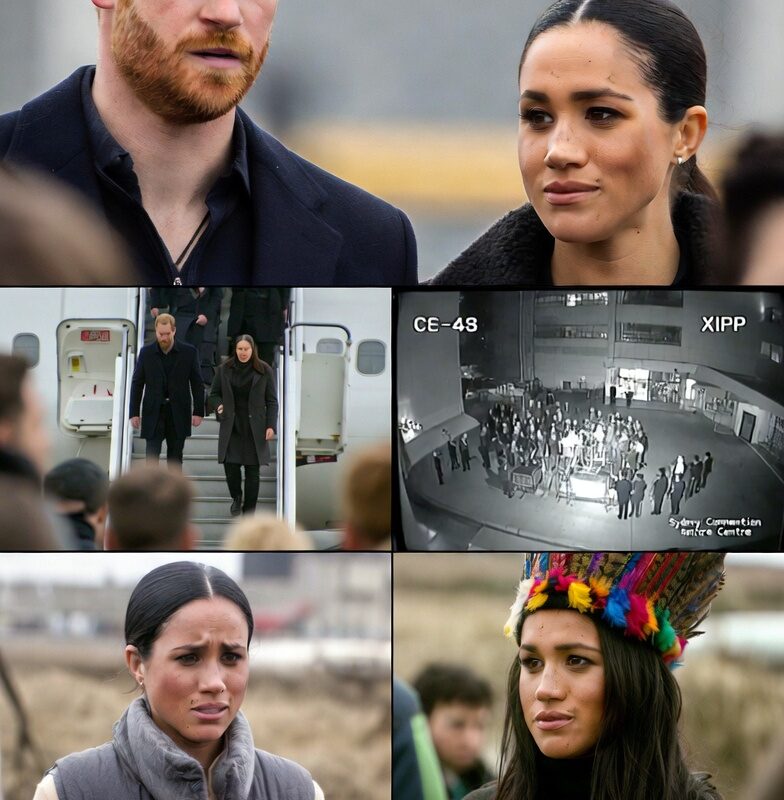
The Empty Seats and the Bitter Homecoming: How Prince Harry and Meghan Markle’s Promised Australian Return Turned into an Unwelcome Reality.
The camera opens on the sparkling sydney harbour at dawn, the opera house sails catching the first light exactly as they did in 2018. Back then the images were pure…
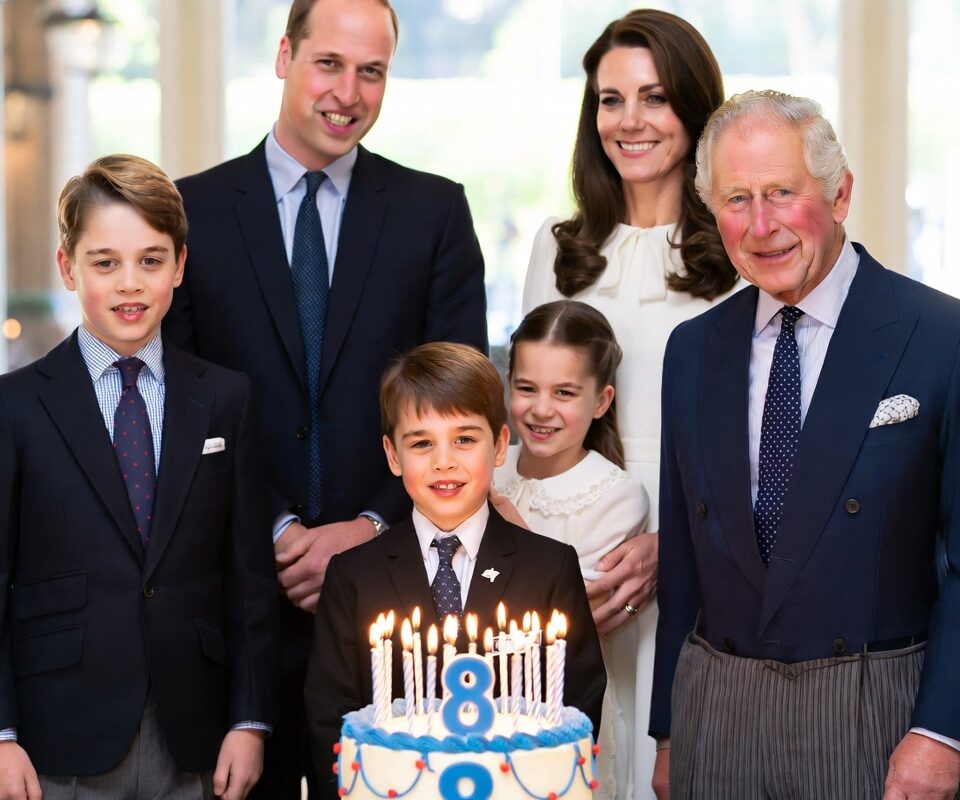
The little prince who steals every scene: happy 8th birthday to prince louis, the youngest royal who keeps winning hearts.
The camera slowly pans across the manicured lawns of windsor or adelaide cottage on a bright april morning in 2026. Spring flowers nod in the gentle breeze. Birds sing overhead….
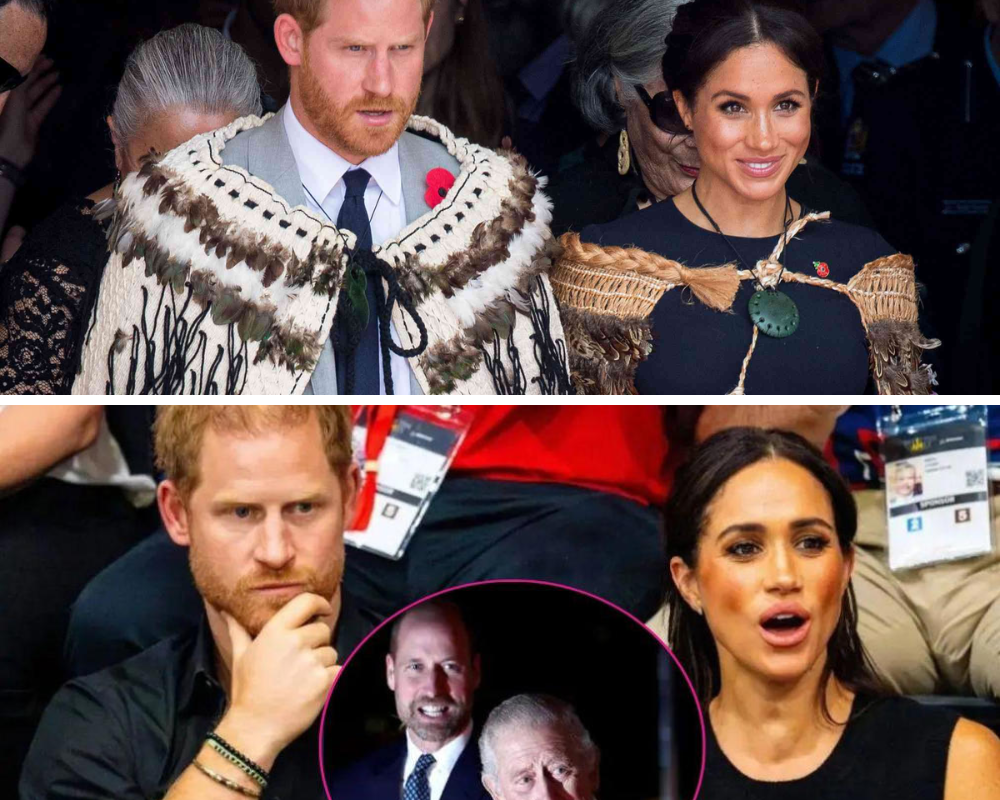
The Titles That Refuse to Fade: How Prince Harry and Meghan Markle’s Australian Return Could Ignite Fresh Royal Fury.
The camera opens on the sunlit opera house in sydney, its white sails gleaming against the harbour. It is october 2018. A newly married prince harry and meghan markle step…
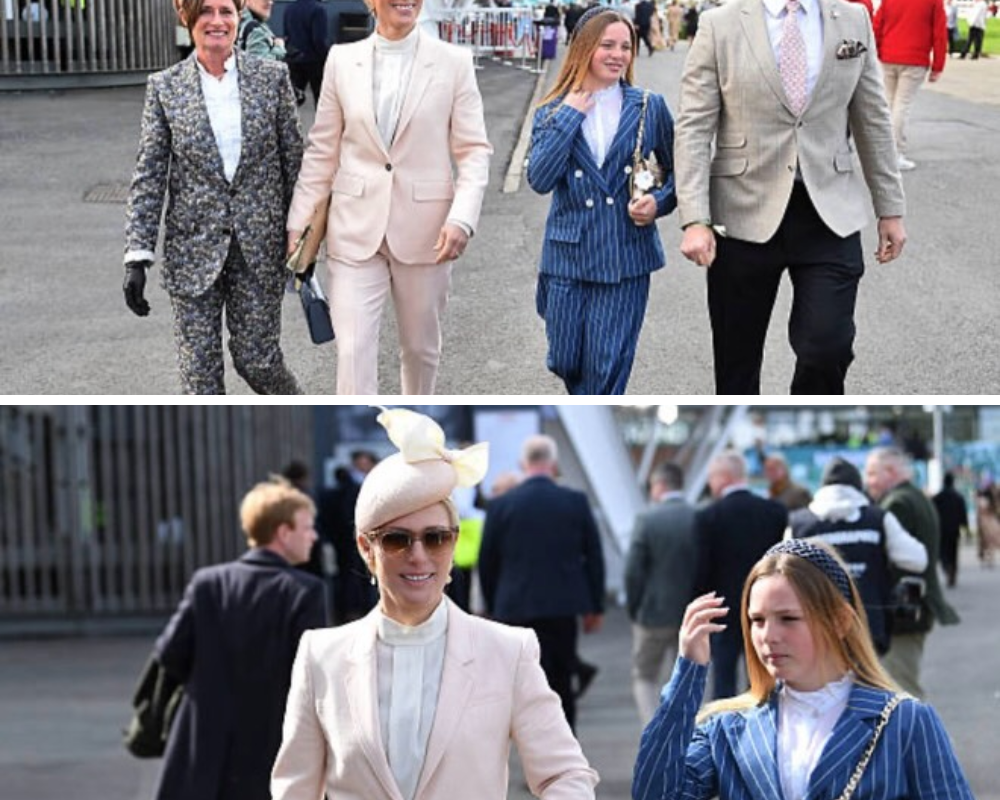
Zara, Mike and Mia Tindall share bright smiles and sunshine at Aintree Ladies Day
The camera opens on a wide, sun-drenched shot of aintree racecourse in liverpool. It is friday, 10 april 2026 — ladies day at the randox grand national festival. The famous…

The king never left… austin just reminded the world why the crown was never up for grabs.
The Moody Center in Austin, Texas, pulses like a living heartbeat under the warm April night sky of 2026. Spotlights slice through the haze of anticipation, cutting across 15,000 faces—cowboy…

The Night Texas Demanded It — And Brandon Lake Delivered: Cody Johnson Surprise Duet Sends Frost Bank Center Into Absolute Chaos
A sold-out Texas crowd thought they were witnessing just another unforgettable stop on the tour — until one unexpected moment flipped the entire arena upside down. As the music paused…
End of content
No more pages to load