It landed on Netflix with zero hype—no splashy trailers, no celebrity endorsements, no algorithm-pushing campaigns. Just four seasons of a 2002-2006 family drama quietly slipping into international libraries on January 20, 2026, as part of a broader Warner Bros. licensing deal. At first, only a dedicated few pressed play, perhaps curious nostalgia seekers or fans of early-2000s WB fare. Then, something organic and unexpected unfolded: word-of-mouth took over. Social feeds began lighting up with quiet confessions—”I just binged Everwood and I’m wrecked,” “How did I miss this show for 20 years?”—and rewatches multiplied. What was once buried beneath louder streaming releases has become a genuine sleeper hit, climbing charts in the UK to #6 behind juggernauts like Stranger Things, proving that not every powerful story needs to shout to be heard.
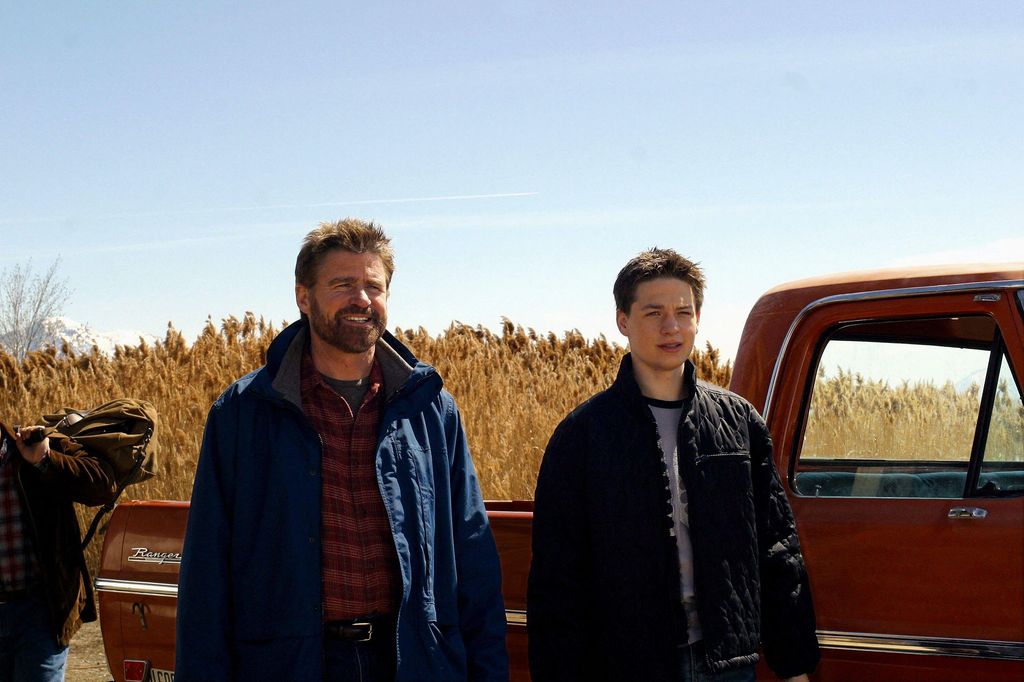
Everwood—created by Greg Berlanti before he became the king of the Arrowverse and Riverdale—centers on Dr. Andrew “Andy” Brown (the late Treat Williams in one of his most heartfelt roles), a world-renowned Manhattan neurosurgeon whose life shatters when his wife dies suddenly. In a radical act of grief and reinvention, he uproots his two children—brooding teen Ephram (Gregory Smith) and bright-eyed young Delia (Vivien Cardone)—and relocates to the fictional small mountain town of Everwood, Colorado. Why there? His late wife had once vacationed in the area and fallen in love with its serene beauty. Andy hopes the change will heal his fractured family, but small-town life proves anything but simple.
The series unfolds as a tender, unflinching exploration of grief, second chances, and the messy beauty of human connection. Andy clashes with the town’s established family doctor Harold Abbott (Tom Amandes), while Ephram—talented pianist forced to abandon Juilliard dreams—navigates resentment toward his father, first love with Amy Abbott (Emily VanCamp), and the isolation of being the new kid. Delia grows from tomboy to adolescent facing her own identity questions. The ensemble—featuring Debra Mooney as nurse Edna, John Beasley as Irv (whose voice-over narration frames episodes with poetic wisdom), Stephanie Niznik as Nina, and early breakout Chris Pratt as Bright Abbott—creates a rich tapestry of interconnected lives.
What makes Everwood resonate so deeply on rewatch is its emotional authenticity. Berlanti and his writers treat grief not as plot device but as lived reality: Andy’s guilt, Ephram’s anger, Delia’s confusion, the town’s collective mourning for losses big and small. Themes of forgiveness, family reconciliation, mental health, addiction, teen pregnancy, cancer, and identity (including groundbreaking portrayals of homosexuality and surrogate pregnancy for its time) unfold organically. The show never sensationalizes; instead, it lingers on quiet moments—a father-son argument in the snow, a first kiss under mountain stars, a community rallying around tragedy—that hit harder the second time around.
Viewers today are spotting layers they missed in 2002: the show’s prescient handling of parental burnout, the pressures of small-town scrutiny in an era before social media amplified everything, the tension between ambition and belonging. Ephram’s journey from angry teen to young adult choosing music education over stardom feels eerily relevant in a world obsessed with hustle culture. Amy’s arc—balancing love, family expectations, and self-discovery—mirrors modern conversations about young women’s agency. Even the idyllic Colorado setting (filmed in Utah) offers escapism from urban chaos, a reminder that peace can be found in community rather than isolation.
The slow-burn pacing rewards patience. Unlike today’s binge-driven spectacles, Everwood builds gradually: peace is the baseline, problems arise naturally, resolutions feel earned. This contrasts sharply with modern dramas that often start with crisis. Fans on social media call it “cozy drama with teeth”—heartwarming yet unflinching, funny without being sitcom-y. One viewer summed it up: “It’s like the baseline is tranquility, then life happens. Other shows start with chaos and throw in respite.” That structure lets emotional beats land with devastating precision.
The show’s cancellation after four seasons (89 episodes) remains a sore point—axed in favor of short-lived Runaway and a revived 7th Heaven, despite critical acclaim and a passionate fanbase. Berlanti’s early work here showcases the emotional storytelling that later defined his empire, yet Everwood feels purer, less formulaic. Treat Williams’ performance—gruff yet vulnerable—anchors everything, making his real-life passing in 2023 add poignant weight to rewatches.
Netflix’s international rollout has introduced it to new generations born after its original run, while original fans rediscover it amid early-2000s nostalgia waves. In the UK, it surged to top charts; globally, discussions explode about its “hidden gem” status. Viewers note how it holds up—no dated tech, timeless human struggles. Themes of grief and healing feel urgent in a post-pandemic world still processing collective loss. Small-town community as antidote to alienation speaks to urban burnout.
As social feeds fill with “I just finished Everwood and need to talk,” the series proves the most powerful stories often wait patiently. They don’t explode on arrival; they simmer, letting the right audience find them when ready. Everwood—overlooked for decades—has found its moment. In an era of noise, its quiet reverence reminds us: the best stories don’t shout. They linger, they heal, and sometimes, two decades later, they finally get heard.