In a heartfelt gesture marking both her milestone 80th birthday and the 50th anniversary of writing one of her most enduring anthems, Dolly Parton has unveiled a breathtaking new rendition of “Light of a Clear Blue Morning.” Released on January 16, 2026—just days before her January 19 birthday—the track brings together an extraordinary lineup of powerhouse women: Miley Cyrus, Reba McEntire, Queen Latifah, and Lainey Wilson. This isn’t merely a remake; it’s a generational celebration of resilience, hope, and sisterhood, transforming a 1977 classic into a modern beacon of unity amid uncertain times.
Originally featured on Parton’s 1977 album New Harvest…First Gathering, “Light of a Clear Blue Morning” emerged from a period of personal transition for the icon. Written during her departure from longtime collaborator Porter Wagoner and her bold step into independence, the song radiates quiet determination: a declaration that after dark nights of struggle, brighter days await. It peaked at No. 11 on the Billboard Hot Country Songs chart and No. 87 on the Hot 100, becoming a staple in her catalog for its uplifting message and soaring melody. Parton has revisited the track over the years—re-recording it for the 1992 Straight Talk soundtrack and a 2003 patriotic album—but this 2026 version stands apart for its collaborative spirit and timely resonance.
The new recording opens with spoken reflections that set a contemplative tone: Parton notes the “troubled and uncertain times” we face, with Latifah affirming the sentiment and Parton insisting, “We can’t let the darkness win.” From there, the voices trade verses in a round-robin style, each bringing unique texture. Parton’s warm, familiar twang anchors the foundation, Cyrus adds her emotive pop edge, Wilson infuses raw country soul, McEntire delivers her signature power and warmth, and Latifah contributes a commanding, soul-stirring depth. David Foster’s elegant piano work provides a gentle backbone, while the Christ Church Choir elevates the choruses into a gospel-infused swell, culminating in a harmonious, sing-along crescendo that feels like a collective exhale: “Everything’s gonna be all right.”
The accompanying music video captures the magic of the studio session, with each artist filmed individually yet united in purpose. The visuals emphasize intimacy—close-ups on expressive faces, shared smiles, and the joy of creation—reinforcing the song’s message of shared hope. Parton has described the collaboration as a way to “shine a little light forward,” especially by partnering with “truly incredible women” who represent different facets of her influence across music, film, and culture.
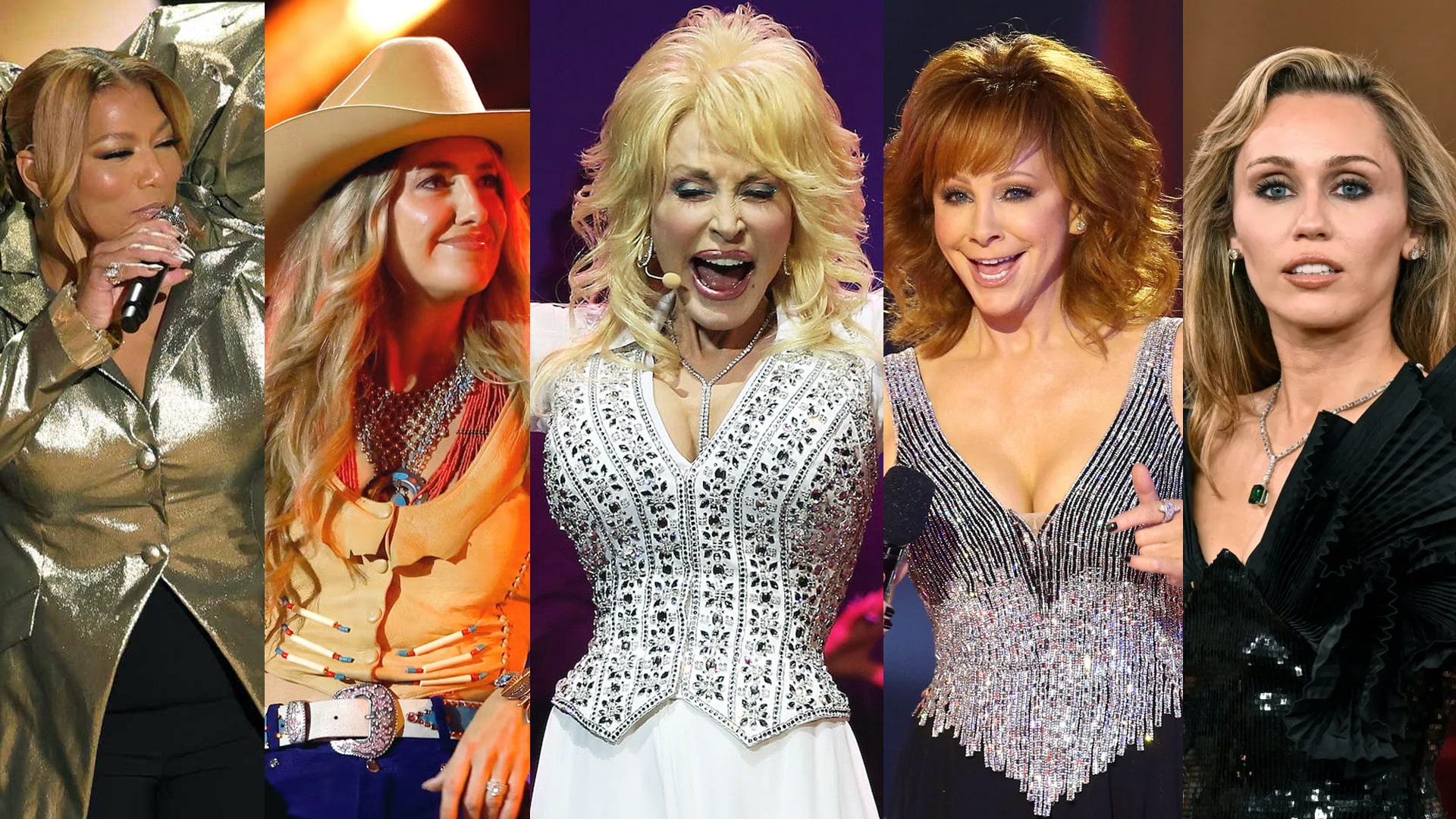
The lineup carries deep personal and professional connections. Miley Cyrus, Parton’s goddaughter, has long shared a bond with her “Aunt Dolly,” from joint recordings like “Rainbowland” and a cover of “Wrecking Ball” to heartfelt tributes. Reba McEntire, a peer and friend, previously teamed with Parton on “Does He Love You” and joins Wilson here after their 2025 Grammy-nominated collaboration on “Trailblazer” with Miranda Lambert. Queen Latifah co-starred with Parton in the 2012 film Joyful Noise and contributed to its soundtrack with “Not Enough.” Lainey Wilson, a modern country force shaped by Parton’s authenticity, has performed alongside her in tributes and shares a mutual admiration for storytelling and heart.
Beyond the artistry, the release embodies Parton’s lifelong commitment to giving back. Net proceeds from the single and music video support pediatric cancer research at Monroe Carell Jr. Children’s Hospital at Vanderbilt in Nashville—a cause close to her heart, especially given her own health challenges in recent years. The timing feels poignant: as Parton celebrates eight decades of life, music, and philanthropy, she uses her platform to uplift others, turning a personal milestone into a communal act of kindness.
Fans and critics have embraced the track as a timely balm, praising its emotional depth, seamless harmonies, and uplifting energy. It reframes the original’s solo declaration of hope as a shared testimony—women from different generations and backgrounds standing together, affirming that brighter mornings are possible. In an era often marked by division, this collaboration feels like a reminder of music’s power to unite, heal, and inspire.
As the song streams across platforms and the video racks up views, it stands as more than a birthday gift from Dolly—it’s a legacy moment. Voices that have shaped pop, country, hip-hop, and beyond converge on a message that’s as relevant in 2026 as it was in 1977: hold on through the darkness, because the light is coming. With this star-powered reimagining, Parton proves once again that her music doesn’t just endure—it evolves, gathers strength from those she inspires, and shines brighter with every shared note.