DJ Khaled Picks Sides in Female Rap Debate: Praises Nicki Minaj But Crowns Cardi B as the Biggest of All Time
In the ever-competitive world of hip-hop, few statements ignite as much passion as debates over who reigns supreme among female rappers. DJ Khaled, the larger-than-life producer and self-proclaimed “We The Best” motivator, has thrown himself squarely into the conversation. During a recent interview conducted in Lagos, Nigeria, Khaled delivered a carefully worded take that began with respect for Nicki Minaj before shifting momentum firmly toward Cardi B. The comments quickly exploded across social media, dividing fans and reigniting one of rap’s most passionate rivalries.
Khaled started on a positive note, acknowledging Nicki Minaj’s monumental contributions to the genre. He called her “legendary” and emphasized how she “opened doors” for a generation of female artists. His praise recognized Minaj’s pioneering role, her fearless approach, and her undeniable influence over more than a decade in the industry. For many longtime fans — often called “Barbs” — this initial recognition felt like a well-deserved nod to the Queen of Rap.
But then came the pivot. With the classic setup of praise followed by a “but,” Khaled made his bold declaration: Cardi B possesses something special that sets her apart. “Cardi got that hunger, that superstar spirit,” he said. “Every time she steps on a track she makes it feel BIG. That’s what makes her the biggest female rapper of all time.” The statement landed like a bombshell, sending shockwaves through online communities and prompting heated discussions about legacy versus current impact.
The Context Behind Khaled’s Comments
DJ Khaled has collaborated with both artists extensively throughout his career. He has produced major hits featuring Nicki Minaj and has worked closely with Cardi B on several high-profile tracks. His opinion carries weight not just because of his platform, but because of his position as an industry insider who has witnessed the evolution of hip-hop up close.
Khaled’s emphasis on Cardi’s “hunger” and ability to dominate any moment speaks to her rapid rise and massive commercial success. Since bursting onto the scene with “Bodak Yellow” in 2017, Cardi has achieved historic milestones — from becoming the first female rapper with multiple No. 1 hits on the Billboard Hot 100 to dominating streaming platforms and global charts. Her larger-than-life personality, combined with an infectious energy that translates powerfully in both music and public appearances, has made her a cultural phenomenon.
Supporters of Cardi argue that her ability to captivate audiences, sell out arenas, and maintain relevance across music, fashion, and reality television sets her apart in the current era. Khaled’s description of her making every track feel “BIG” highlights this undeniable star power and magnetic presence that turns songs into events.
Nicki Minaj’s Enduring Legacy
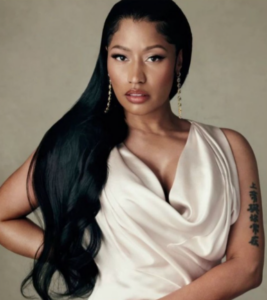
On the other side of the debate stands Nicki Minaj, whose influence on female rap is difficult to overstate. Emerging in the late 2000s, Minaj revolutionized the game with her versatile flow, colorful personas, and sharp lyricism. She broke numerous records and became the blueprint for many artists who followed. Her longevity, business acumen, and consistent delivery of critically acclaimed projects have earned her a devoted global fanbase that fiercely protects her legacy.
Many Barbs viewed Khaled’s comments as undervaluing Nicki’s trailblazing efforts. They argue that without Minaj carving out space in a male-dominated industry, the opportunities currently available to artists like Cardi might not exist. Nicki’s technical skill as a rapper, her innovative approach to music videos and branding, and her sustained excellence over nearly 15 years form the foundation of her claim to the throne.
The “but” in Khaled’s statement felt particularly pointed to some, as it positioned Cardi’s current dominance against Nicki’s historical impact. This framing has led to intense online discourse, with fans dissecting the difference between “biggest” in terms of cultural moment versus overall career achievement.
Fan Reactions: Barbs vs. Bardi Gang
As expected, social media erupted following the interview. The “Barbs” — Nicki Minaj’s loyal army — expressed disappointment and frustration, accusing Khaled of diminishing Nicki’s accomplishments. Some called the comments disrespectful, while others pointed out Khaled’s history of collaborations with both artists and questioned the need to rank them at all.
Meanwhile, the “Bardi Gang” celebrated what they saw as validation for Cardi’s hard work and undeniable star quality. Many praised Khaled for recognizing Cardi’s unique ability to connect with audiences and create massive cultural moments. Comments ranged from supportive affirmations of Cardi’s reign to playful jabs at the rival fanbase.
The divide highlights how passionate hip-hop fans can be about their favorite artists. Both Nicki and Cardi have dedicated followings that treat any perceived slight as a personal attack. This particular controversy has led to trending hashtags, lengthy threads analyzing the careers of both rappers, and even memes poking fun at the situation.
Khaled’s History with Both Artists
DJ Khaled has maintained professional relationships with both Nicki Minaj and Cardi B over the years. He has featured them on major hits and spoken positively about their talents in previous interviews. His latest comments don’t appear to stem from any personal animosity but rather from his perspective on current industry dynamics and star power.
Khaled is known for his motivational style and tendency to hype up artists he works with. His statements often reflect enthusiasm for the moment rather than a comprehensive ranking of all-time greats. Nevertheless, in a genre where legacy and competition are central themes, even casual observations can spark major debates.
Broader Implications for Female Rap
This conversation touches on larger questions within hip-hop about how we measure success. Is it commercial dominance and cultural impact in the present? Or is it groundbreaking achievements and long-term influence? Both Nicki Minaj and Cardi B excel in different areas, and many fans argue there’s room to celebrate both without direct comparisons.
Female rappers have made tremendous strides in recent years, with more artists achieving mainstream success than ever before. The healthy competition and high-level talent have elevated the entire genre. Artists like Megan Thee Stallion, Ice Spice, GloRilla, and others continue to push boundaries, creating a rich and diverse landscape.
Khaled’s comments, whether intentional or not, have brought renewed attention to this vibrant scene. They serve as a reminder of how far female rappers have come and the ongoing evolution of their roles in hip-hop culture.
The Never-Ending Debate
Ultimately, conversations like this one are unlikely to end anytime soon. Hip-hop thrives on debate, competition, and passionate fandom. DJ Khaled’s take adds another chapter to the longstanding discussion about who deserves the title of “biggest female rapper.”
For supporters of Nicki Minaj, her legacy as a pioneer remains untouchable. For fans of Cardi B, her current dominance and superstar energy make her the clear standout. Many others prefer to appreciate both artists for their unique contributions rather than pitting them against each other.
As the dust settles on Khaled’s viral interview, one thing is clear: both Nicki Minaj and Cardi B have left indelible marks on music and culture. Their talents, work ethics, and individual journeys continue to inspire millions around the world. Whether fans side with Khaled’s perspective or stand firmly with Team Nicki, the conversation itself celebrates the power and progress of women in hip-hop.
In the end, Khaled’s comments reflect one man’s opinion in a complex and subjective discussion. The real winners are the fans who get to enjoy the music, the moments, and the ongoing evolution of an art form that continues to captivate global audiences.